
Imagine turning your everyday stablecoin spends into a gateway for governance power in DeFi. That’s the promise of the KAST crypto card rewards program, where up to 5% cashback in KAST Points positions you for future token airdrops and voting rights come the Q2 2026 Token Generation Event. As a DeFi user, you’ve likely juggled multiple chains and wallets, but KAST simplifies it all with a VISA-powered card that lets you spend USDC, USDT, or other stables worldwide, no bank account required. In 2025, this governance token cashback card stands out for its blend of immediate utility and long-term upside.

Recent market buzz from sources like CoinGecko and CoinSutra highlights KAST’s edge in the crowded crypto card space. While competitors chase instant fiat rebates, KAST bets on points that convert to native tokens, aligning your spending with ecosystem growth. This deferred reward model suits patient DeFi enthusiasts who vote with their holdings and compound gains over time.
Mastering KAST’s Tiered Rewards Structure
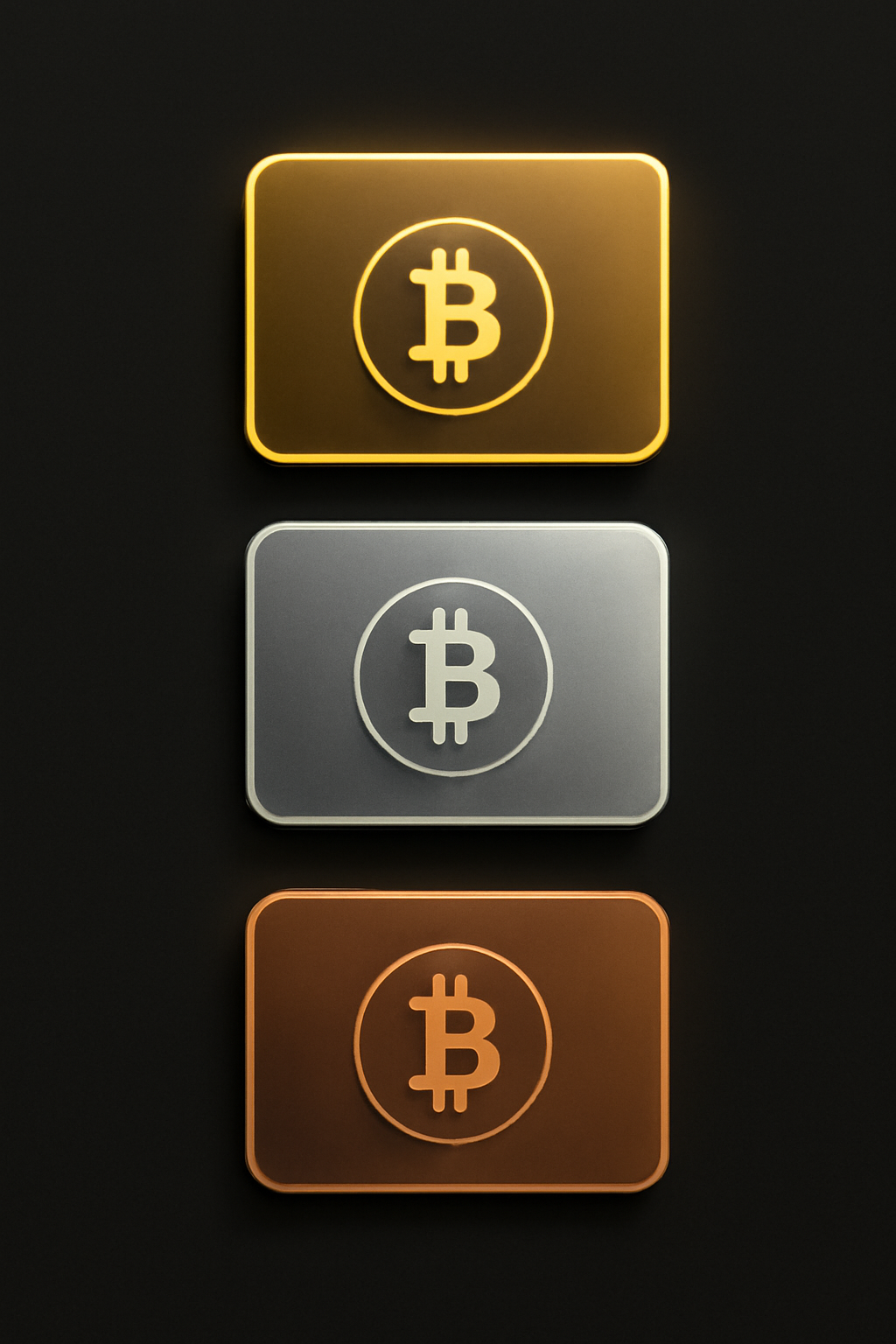
Diving into the tiers reveals smart choices for different spending levels. The Standard K Card, at a modest $20 annual fee, delivers 2-6% cashback in points on all purchases, making it ideal for testing waters. Step up to the Premium X Card for $1,000 yearly, unlocking 5-12% returns plus enhanced limits. High rollers grab the Founders Card with its $5,000 one-time fee, matching Premium rewards while adding VIP concierge services. I recommend starting with Standard if your monthly spends hover under $5,000; the math favors upgrading once you hit consistent volume.
These aren’t just rebates; they’re your stake in KAST’s governance. Points accrue from card swipes, referrals, and boosts like the 0.5x multiplier on certain activities. By Q2 2026, they transform into tradable tokens, potentially appreciating as the protocol scales. DeFi users, think of this as yield farming via Visa terminals.
Strategic Spending to Hit 5% Cashback Peaks
To maximize KAST 5% cashback crypto yields, align spends with seasonal promotions. September’s Supercharge doubled points for $10,000-$29,999 spenders and tripled for $30,000 and, while December’s Holiday Multiplier did the same at lower thresholds: 2x for $5,000 and and 3x for $20,000 and. Time grocery runs, travel, or DeFi tool subscriptions accordingly. Pro tip: Use virtual cards for instant access, stacking points on online merchants that accept Visa.
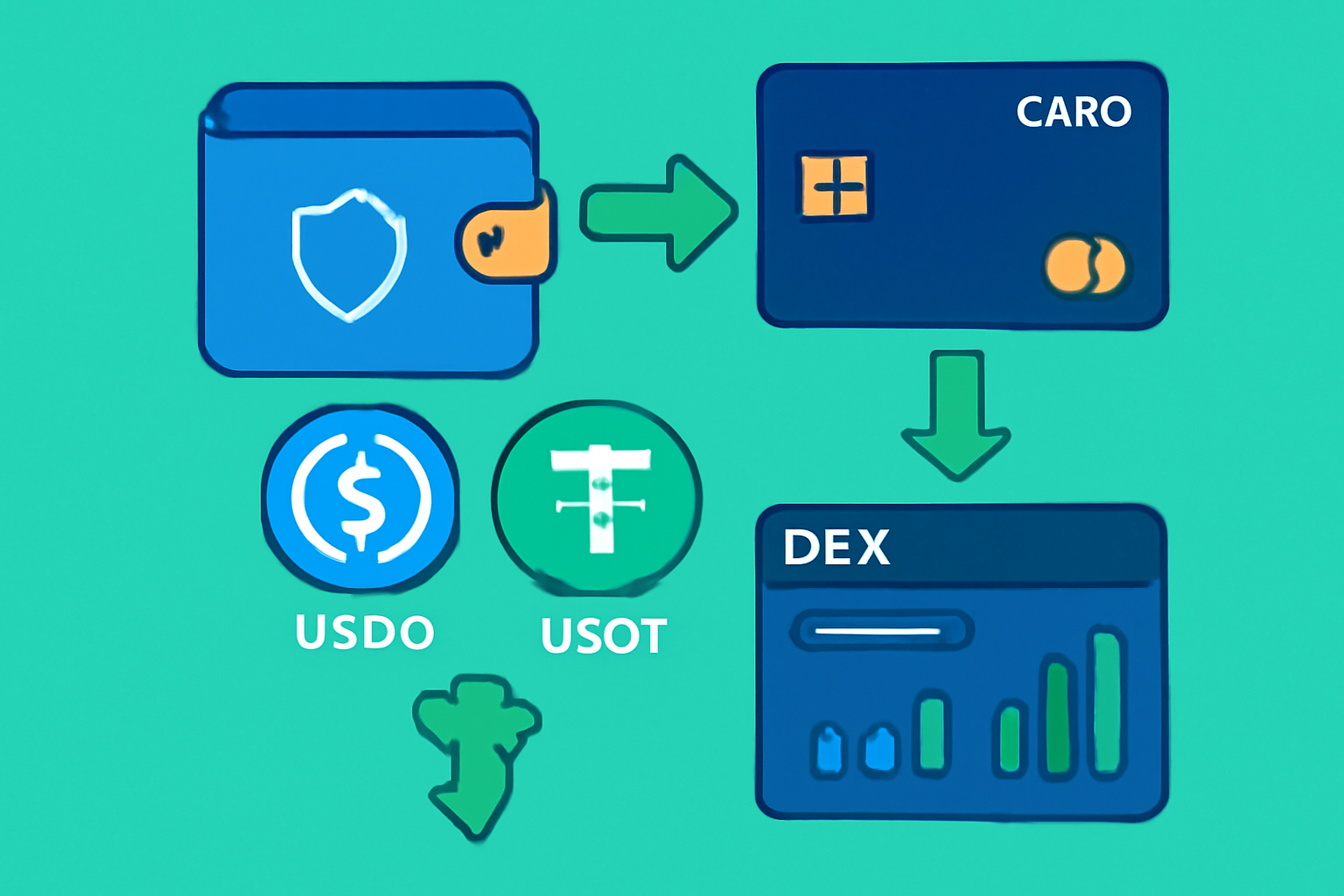
Referrals amplify earnings; each successful invite nets bonus points, creating a flywheel for community builders. Pair this with stablecoin top-ups from your favorite DEXes like Uniswap or Jupiter, keeping gas fees low. For governance-focused users, check our best crypto rewards cards offering governance token cashback in 2025 guide to see how KAST stacks against EtherFi or Nexo.
DeFi Synergies: Bridging Wallets to Real-World Spend
KAST shines for DeFi natives with its multi-chain support, pulling funds from Ethereum, Solana, or Base seamlessly. No more bridging headaches before coffee runs. Privacy hawks note the non-custodial vibe, though KAST handles conversions securely. In a landscape of fleeting promos, KAST’s commitment to token conversion offers tangible skin in the game.
Consider risk: Points aren’t liquid yet, tied to TGE success and market vibes. Yet, with top-10 rankings from Bleap and Quicknode, momentum builds. Stack KAST alongside yield protocols for diversified rewards, turning spend into govern.
Every swipe builds your position in a protocol that’s reshaping how we think about crypto rewards cards governance. I’ve seen DeFi users turn modest spends into meaningful stakes, voting on upgrades that boost the entire ecosystem.
Unlocking Peak Rewards: A Step-by-Step Playbook
Ready to hit those 5% peaks consistently? Timing and layering tactics make all the difference. Focus on high-volume categories like travel or subscriptions during promo windows, then layer in referrals for passive boosts. Virtual cards let you test without commitment, scaling as confidence grows.
Maximize 5% Cashback: DeFi User’s KAST Card Mastery Guide


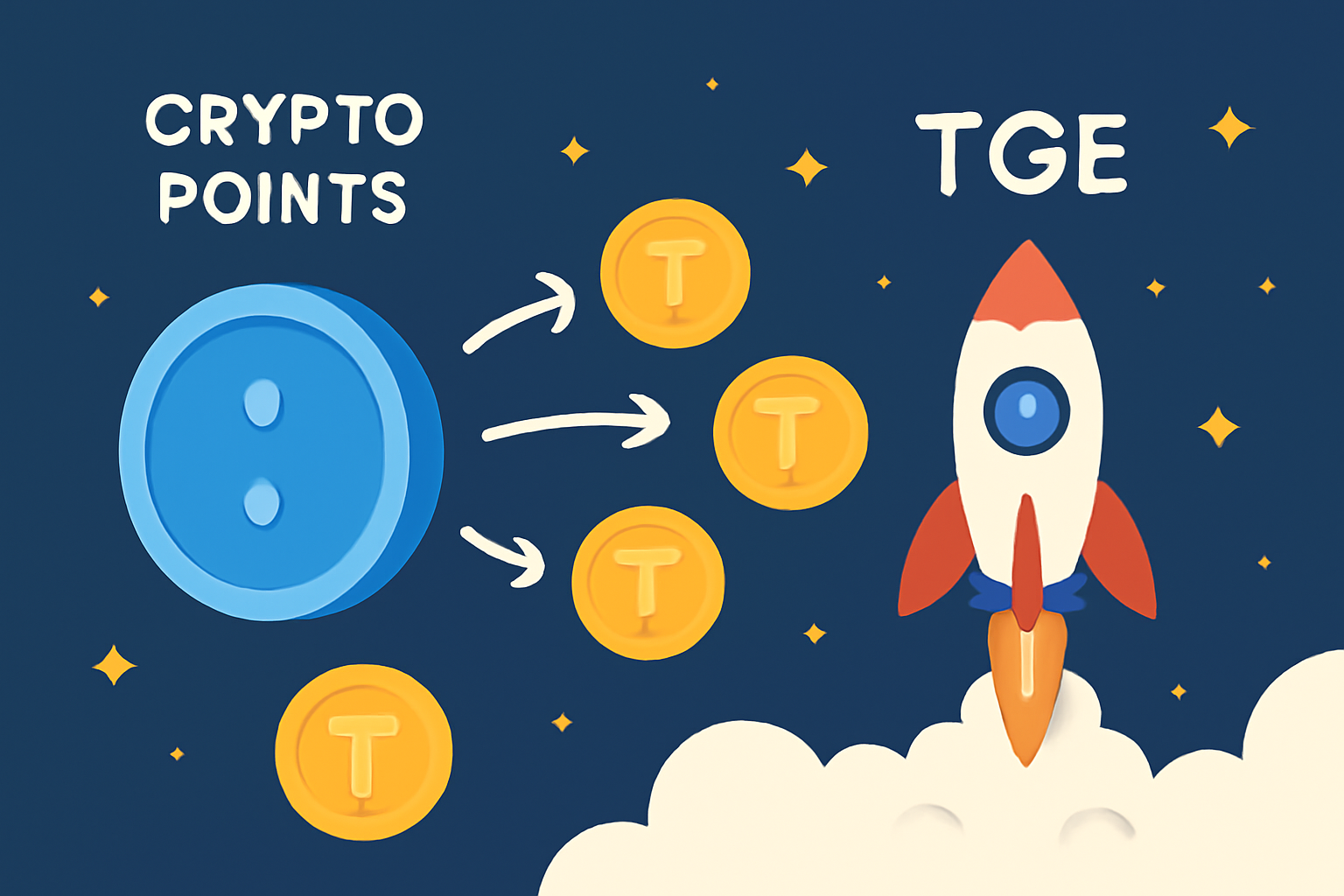
Once points convert in Q2 2026, delegate to validators or stake for extra yield, amplifying your governance voice. This isn’t passive earning; it’s active participation that shapes KAST’s future. Pair it with our how-to-maximize-crypto-rewards-card-earnings-with-governance-token-cashback strategies for even sharper edges.
Risks and Real Talk: Navigating the Points-to-Tokens Path
No reward comes without caveats, and KAST’s model demands patience. Points sit illiquid until TGE, exposed to project milestones and crypto winters. I’ve watched similar programs soar or stumble based on execution; KAST’s multi-chain backbone and VISA integration give it strong legs, but diversify your bets. Compare tiers carefully: that $1,000 Premium fee shines if you spend $20,000 monthly, but flops otherwise.
| Promo | Spend Threshold | Multiplier |
|---|---|---|
| September Supercharge | $10K-$30K | 2x-3x |
| Holiday Cashback | $5K-$20K | 2x-3x |
Market whispers from sources like BlockEden. xyz flag privacy as a watchpoint, but the non-custodial flow keeps you in control. For best governance token crypto cards 2025, KAST leads where others lag in token upside.
Blend KAST spends with on-chain yields from Aave or Pendle, creating a hybrid portfolio that rewards both utility and speculation. Track progress via the app’s dashboard, adjusting for new seasons.
Your Next Move: Govern While You Spend
DeFi thrives on users who seize asymmetric opportunities. KAST hands you 5% cashback as a trojan horse for governance clout, turning Visa taps into protocol power. Start small with the Standard card, chase promos, build referrals, and position for TGE windfalls. Whether stacking stables for daily life or plotting votes, this card bridges your wallet to real influence. Dive in, strategize smart, and watch your spends fuel the next wave of decentralized finance. You’ve got the tools; now claim your rewards.
About the Author