
How we picked the best crypto cards
We evaluated crypto cards based on four measurable criteria: rewards rates, fee structures, supported assets, and custody models. Our goal was to identify cards that offer tangible value without hidden costs or excessive risk.
Rewards rates determine how much you earn on spending. We prioritized cards that offer flat-rate crypto back or high multipliers on everyday categories like groceries and gas. For example, the Coinbase One Card offers up to 4% back in Coinbase One rewards, while the Gemini Credit Card provides 2% on all purchases. These rates are transparent and directly credited to your crypto wallet.
Fee structures can make or break a crypto card’s value. We focused on cards with no annual fees and low foreign transaction fees, which are critical for travelers. Many crypto cards charge 1-3% FX fees, but some, like the Crypto.com Visa Card, offer zero FX fees on certain tiers. We also examined cashback caps and expiration policies to ensure rewards don’t disappear.
Supported assets vary widely. Some cards, like the Binance Card, support a broad range of cryptocurrencies, while others, like the Coinbase Card, are limited to Ethereum and its stablecoins. We favored cards that allow spending from multiple asset types, giving users flexibility.
Custody models affect security. Cards linked to centralized exchanges (like Coinbase or Gemini) rely on the exchange’s custody infrastructure. Cards linked to self-custody wallets (like MetaMask) give users more control but require careful management. We balanced convenience against security, noting that self-custody options appeal to privacy-focused users.
For a detailed comparison of these factors across top cards, see our full analysis below.
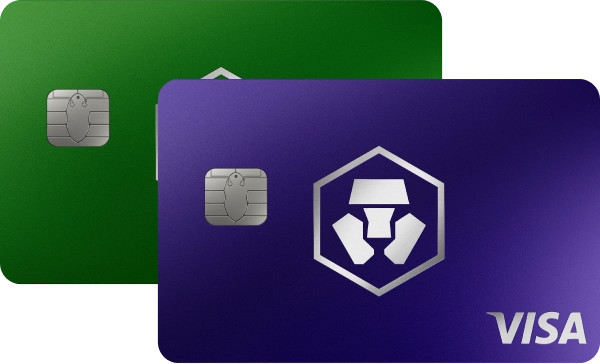
Best overall crypto debit card: Crypto.com Visa Card
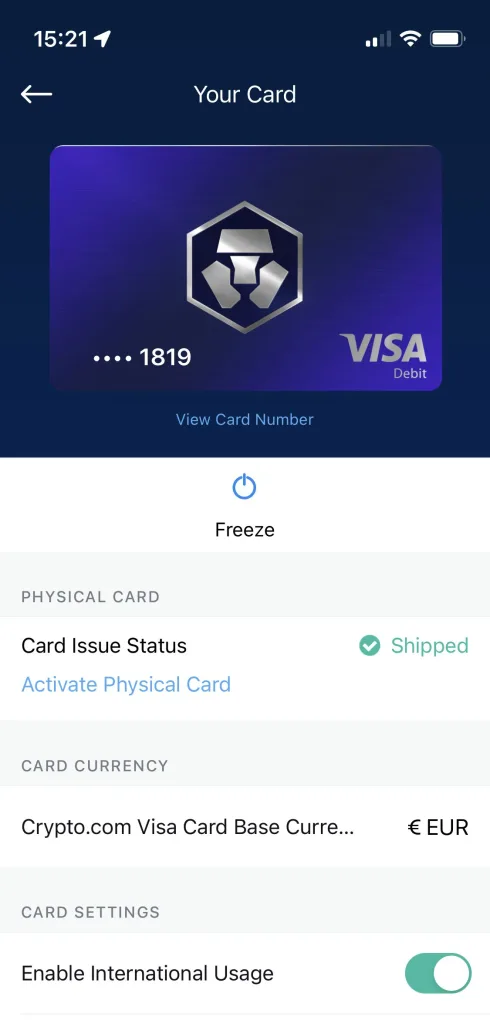
The Crypto.com Visa Card stands out as the best all-around choice for most users in 2026. It balances high rewards potential with broad acceptance and a polished mobile experience. Unlike many crypto cards that restrict you to specific exchanges or offer low flat-rate cashback, this card scales with your usage, offering up to 5% back on daily spending when you stake its native tokens.
Acceptance is a major advantage. Because it operates on the Visa network, you can use it anywhere Visa is accepted globally, from coffee shops to international travel. This universality removes the friction often found with niche crypto cards that are limited to specific merchant categories or regions. The accompanying mobile app provides real-time tracking of your crypto earnings and spending, making it easy to manage your rewards without complex manual calculations.
The rewards structure is tiered based on the amount of Cronos (CRO) you stake. Higher tiers unlock higher cashback percentages and additional perks like free streaming subscriptions or airport lounge access. For the average user, the Midas or Icy Blue tiers offer a solid return on everyday purchases without requiring a massive initial investment. This flexibility makes it suitable for both casual crypto holders and heavy users looking to maximize their daily spending power.
While the card requires a stake to access the best benefits, the barrier to entry is lower than many competitors. You can start with a lower tier and upgrade as you increase your stake. This approach allows users to test the waters with minimal risk while still enjoying crypto-backed rewards on their regular purchases.
As an Amazon Associate, we may earn from qualifying purchases.
Best crypto cards for high yield rewards
If your primary goal is maximizing returns on your crypto holdings, standard cashback cards often fall short. The best high-yield options allow you to earn rewards in crypto that can be immediately staked or reinvested, effectively compounding your gains with every purchase.
Nexo Custodial Card
The Nexo card stands out for its unique ability to pay rewards in the same asset you hold. If you hold Bitcoin, you earn rewards in Bitcoin; if you hold USDC, you earn USDC. This eliminates the risk of converting rewards into a volatile asset you don't want. Nexo also offers an interest-bearing account for unused deposits, allowing you to earn yield on your idle funds while keeping them accessible 24/7.
Zeal Card
Zeal offers a similar flexible reward structure, allowing users to choose their reward currency from a wide range of supported tokens. A key feature is its integration with the Aave platform, where unused deposits can earn interest. This means your spending power remains liquid while simultaneously generating yield, a rare combination in the current market.
Comparison of Top Yield Cards
| Card | Reward Currency | Staking/Earning Feature | Best For |
|---|---|---|---|
| Nexo | Same asset as holding | Interest on unused deposits | Users wanting asset-specific rewards |
| Zeal | Multi-crypto choice | Aave integration for yield | Users seeking flexible earning options |
These cards function like a hybrid wallet and credit line. Instead of letting your crypto sit idle, you use it as collateral or backing for your spending, ensuring every dollar you spend is working for you.
Best no foreign transaction fee crypto card
Travelers and international spenders face a double penalty when using standard credit cards abroad: currency conversion markups and flat foreign transaction fees. A crypto card that waives these charges is essential for keeping spending predictable, regardless of where your next flight lands.
The Bybit Card stands out as a primary option for this specific need. It operates as a Mastercard debit card that draws directly from your crypto holdings. This structure allows you to spend digital assets globally without the traditional banking surcharge. Crucially, it does not require you to stake assets to access these benefits, making it accessible for everyday users rather than just high-net-worth investors.
By avoiding the typical 3% foreign transaction fee charged by many domestic issuers, you retain more value on every purchase. Whether you are booking a hotel in Tokyo or buying coffee in Berlin, the exchange rate is applied without the added banking layer. This makes the Bybit Card a practical tool for frequent travelers who want to minimize friction and cost.
Crypto card rewards and fees explained
Crypto cards generally offer cashback rewards paid in the cryptocurrency you hold, such as Bitcoin or Ethereum, rather than traditional points or fiat currency. This structure appeals to users who want to earn "free" crypto on daily purchases. The average cashback rate for these cards typically sits between 1% and 2%, which is lower than the 1-5% range often seen with traditional high-rewards credit cards. However, the value proposition changes if you plan to hold the rewards long-term, allowing you to accumulate crypto without direct investment.
When evaluating these cards, look beyond the headline reward rate. Most crypto cards charge a foreign transaction fee or a spread on the conversion rate when you spend in a currency other than your card's base currency. Additionally, some issuers apply a small fee when you convert your crypto rewards into fiat for bank transfers. Annual fees are also common, particularly for cards that offer higher reward tiers or premium benefits like travel insurance.
Concrete products illustrate these differences well. The Gemini Credit Card and Coinbase One Card are frequently cited for their straightforward integration with major exchanges, making it easy to view rewards and manage fees. The Binance Card, for instance, has historically offered tiered rewards based on holding the platform's native token, though its availability varies by region. Always check the issuer's current fee schedule, as terms can shift with regulatory changes or market conditions.
Frequently asked questions about crypto cards
Are crypto cards safe to use? Security depends on the card issuer and your own custody habits. Cards like the Gemini Credit Card and Coinbase One Card rely on established financial infrastructure and regulatory compliance, but you still control the underlying assets. Always enable two-factor authentication and monitor transactions closely, as crypto transactions are irreversible once settled.
Do I have to pay taxes on crypto card rewards? In most jurisdictions, including the United States, crypto rewards are treated as taxable income at their fair market value when received. Spending crypto to pay for purchases can trigger capital gains tax if the asset’s value has increased since you acquired it. The Coinbase One Card and similar platforms often provide transaction records to help you track these events for tax filing.
Can I get a crypto card if I live outside the US? Availability varies by region. MetaMask and other global providers offer cards in select countries, but US residents often have access to a wider range of options like the Gemini Credit Card. Always check the issuer’s official terms for your specific country before applying, as regional regulations can restrict eligibility or asset support.
What happens if I lose my crypto card? Most providers offer virtual card numbers that can be instantly frozen or replaced if your physical card is lost. Digital wallets associated with cards like Coinbase One allow you to manage spending limits and freeze transactions immediately through the app, reducing the risk of unauthorized charges.
No comments yet. Be the first to share your thoughts!