
Participating in DeFi governance is no longer just about shaping the future of protocols - it’s also a lucrative strategy for earning governance token rewards. As the DeFi sector matures, projects are deploying increasingly sophisticated mechanisms to incentivize meaningful participation, moving beyond simple airdrops or passive holding. To maximize your returns and voting influence, you need to understand how voting works, which multipliers matter most, and how to avoid common pitfalls.
How DeFi Voting Mechanisms Drive Rewards
At the heart of every decentralized protocol lies a unique governance model. The most common structure is token-weighted voting, where your influence scales with your holdings. However, this can lead to centralization if whales dominate every decision. To address this, some protocols have adopted quadratic voting or more nuanced models like vote escrow (veTokens).
Token-weighted voting is straightforward: 1 token equals 1 vote. While simple, it often fails to incentivize long-term engagement or active participation. That’s why leading protocols such as Curve Finance have implemented vote escrow systems. Here’s how it works:
- Lock tokens for voting power: Users commit their tokens for a set period (from weeks up to years) in exchange for veTokens.
- Longer lock = higher multiplier: The longer you lock your tokens, the greater your voting power and reward share. For example, on Curve Finance, locking CRV into veCRV can boost pool rewards by up to 2.5x (Mitosis University).
- Diversified models: Some platforms offer additional boosts for staking larger amounts or participating in specific pools.
This system aligns incentives by rewarding both patience and active governance engagement - not just raw capital.
The Power of Multipliers: Lock-Up Periods and Active Participation
The most effective way to amplify DeFi voting incentives is by leveraging multipliers tied to lock-up periods and activity levels. Let’s break down the key drivers:
- Lock-up multipliers: Many protocols calculate your final voting power as (token balance) × (multiplier), where the multiplier increases with longer commitments (Mirror. xyz). For instance, a four-year lock might grant a 4x multiplier compared to a one-year period.
- Staking amount: Higher staked amounts naturally increase both influence and potential rewards - but beware of liquidity risks if markets become volatile.
- Active participation bonuses: Some DAOs now reward users who regularly vote on proposals or engage in discussions with extra emissions or reputation points (Mitosis University). This is crucial as passive holders are increasingly sidelined in favor of active contributors.
If you want to see how these dynamics play out across different projects, check out our guide on maximizing DeFi governance token rewards for both long-term holders and active participants.
Best Practices: Strategic Allocation and Delegation for Maximum Yield
The most successful crypto governance token strategies blend flexibility with commitment. Here are proven tactics used by advanced participants:
- Diversify lock-up durations: Instead of locking all tokens for the maximum period, split allocations (e. g. , 40% for one year, 30% for six months, remainder flexible). This maintains liquidity while still capturing higher multipliers.
- Monitor forums and proposals: Governance landscapes shift quickly; staying informed lets you spot high-impact votes that may offer bonus rewards or shape future emissions schedules.
- Select trusted delegates: If you’re unable to participate directly due to time constraints or technical know-how, delegate your votes to reputable community members who align with your interests. This ensures your stake still influences outcomes - and many protocols now reward delegates based on their activity level as well.
- Avoid short-termism: Chasing quick yield can be tempting but often leads to missed compounding opportunities from long-term staking bonuses or reputation accruals.
If you’re new to these strategies or want actionable tips tailored for card-based rewards programs tied to governance tokens, our resource on maximizing crypto card rewards with governance tokens in 2024 offers step-by-step insights.
Understanding the nuances of governance participation multipliers and reward structures is essential for staying ahead in the evolving DeFi landscape. As more protocols experiment with vote escrow, quadratic voting, and reputation systems, your approach should be data-driven and adaptable. Keeping your strategy dynamic not only maximizes your earning potential but also increases your influence on protocol direction.
Top DeFi Protocols With Governance Reward Multipliers
- Curve Finance: Curve's vote escrow (veCRV) system lets users lock CRV tokens for up to four years, boosting both voting power and liquidity rewards by up to 2.5x. This multiplier incentivizes long-term commitment and active governance participation.

- Balancer: Through its veBAL model, users lock BAL tokens to receive boosted governance power and higher liquidity mining rewards. The longer the lock, the greater the reward multiplier, aligning incentives for protocol growth.

- Frax Finance: The veFXS system allows users to lock FXS tokens for up to four years, earning increased voting power and reward multipliers on staking and liquidity pools. This model encourages sustained engagement and protocol loyalty.

- Stakedao: By locking SdToken (e.g., sdCRV, sdBAL), users can earn boosted governance rewards and voting power via the protocol's vote escrow mechanism, often with additional incentives from bribe markets.

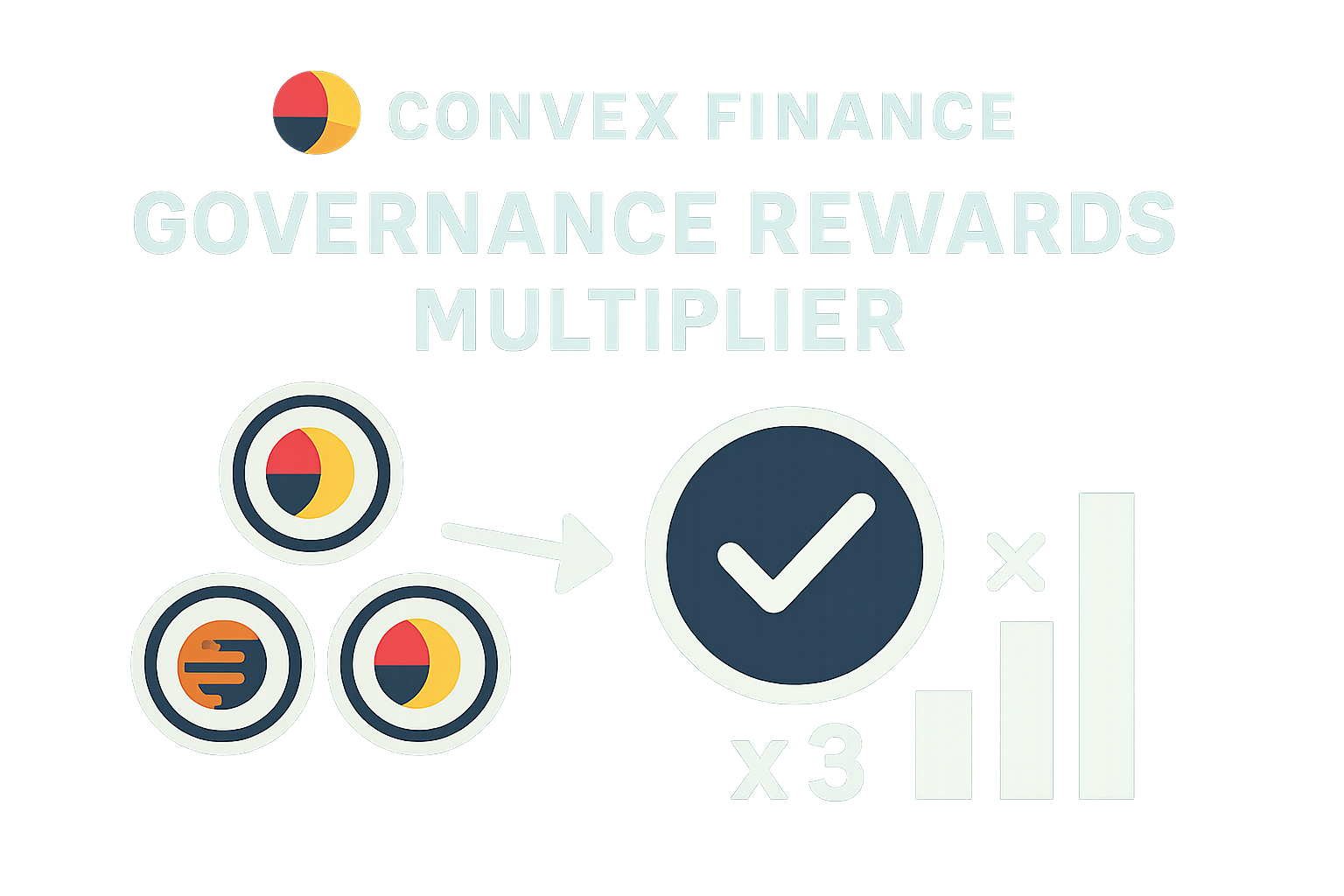
- Convex Finance: While not a direct governance platform, Convex enables users to stake CRV and CVX, earning boosted rewards and participating in gauge voting with multipliers, amplifying both yield and governance influence.
Navigating Bribe Markets, Gauges, and Advanced Incentives
One of the most innovative trends in DeFi governance is the emergence of bribe markets and gauge voting. Protocols like Curve have pioneered systems where users can direct emission rewards to specific pools via their votes, and external teams may offer additional incentives (bribes) for votes that benefit their interests. This creates a secondary market for governance power, further increasing the value of active participation and long-term commitment.
Gauge voting allows veToken holders to allocate emissions to liquidity pools they support. The more veTokens you hold (and the longer you lock), the greater your ability to boost rewards for your chosen pools, and potentially earn side incentives from third parties seeking to sway outcomes.
This dynamic ecosystem rewards not just passive holding but also strategic engagement. Savvy users monitor bribe platforms and gauge voting dashboards to identify where their votes can yield outsized returns or align with broader protocol growth objectives.
Common Pitfalls and How to Avoid Them
While the upside is significant, several risks can erode your gains if not managed carefully:
- Overcommitting tokens: Locking all assets for maximum multipliers may leave you illiquid during market downturns or protocol changes.
- Neglecting protocol health: Chasing high bribes or short-term yields in unsustainable pools can backfire if emissions dry up or governance incentives shift suddenly.
- Poor delegate selection: Delegating without due diligence can result in misaligned votes or missed opportunities for additional rewards tied to delegate performance.
A balanced approach, combining diligent research, diversified lock-ups, and active monitoring, will help you avoid these pitfalls while maximizing both financial returns and governance impact.
Key Takeaways: Optimizing Your DeFi Voting Incentives Strategy
The most successful participants treat DeFi governance as an active investment strategy rather than a set-and-forget yield farm. By leveraging lock-up multipliers, engaging in gauge/bribe markets, and making informed delegation decisions, you can unlock higher yields while contributing meaningfully to protocol evolution.
If you’re looking for more tactical guidance on maximizing on-chain governance token rewards, including advanced staking techniques and community participation tips, explore our detailed guide: How to Maximize On-Chain Governance Token Rewards: Claiming, Staking and Community Participation.
The future of DeFi belongs to those who combine data-driven decision-making with genuine community engagement. Whether you’re optimizing rewards or shaping protocol upgrades, mastering these mechanisms will keep you at the forefront of decentralized finance innovation.


No comments yet. Be the first to share your thoughts!