
How we picked the best crypto cards
Finding the best crypto cards requires looking past marketing promises to the actual terms set by issuers. We evaluated each option based on four pillars: fee structures, reward mechanics, jurisdictional availability, and security infrastructure. Our goal is to help you choose a card that fits your spending habits without hidden costs or compliance headaches.
Fee structures
Annual fees, foreign transaction fees, and ATM withdrawal charges can quickly erode the value of crypto rewards. We prioritized cards with transparent fee schedules and zero annual costs where possible. We verified these details against official issuer documentation rather than relying on third-party summaries. A card that offers high rewards but charges $50 monthly is rarely a good fit for everyday spending.
Rewards and cashback
Not all crypto rewards are created equal. Some cards offer flat-rate cashback in stablecoins, while others provide tiered percentages that require specific spending categories. We looked for programs that pay out in multiple cryptocurrencies, giving you the flexibility to hold or convert your earnings. We also checked for caps on monthly rewards to ensure the program scales with your actual spending volume.
Security and compliance
Security is non-negotiable. We only included cards from issuers that offer real-time transaction alerts, instant card freezing, and support for hardware wallets. Compliance with local regulations is equally important. We verified that each card operates legally in the reader’s primary jurisdiction, ensuring you won’t face sudden account restrictions or regulatory blocks.
Jurisdictional availability
Crypto cards are not global. Many issuers restrict access to specific countries due to banking partnerships or regulatory requirements. We noted which cards are available in the US, EU, UK, and other major markets. If a card is not available in your region, we excluded it from the final list to save you time.
Note on methodology: We prioritize verified fee structures and official issuer terms over unverified user reviews.
This approach ensures that every recommendation in this roundup is actionable, compliant, and financially sound.
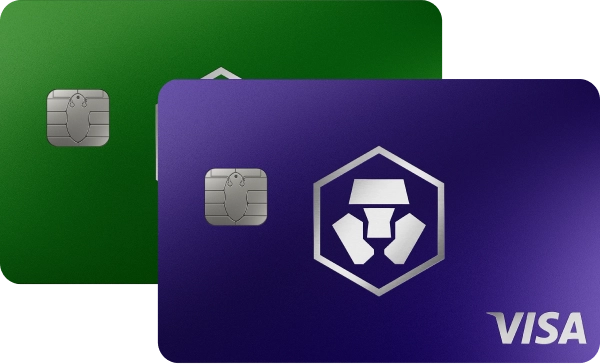
Best overall crypto debit card: Crypto.com Visa
The Crypto.com Visa card stands out as the best overall crypto debit card for most users because it balances high rewards with low fees. Unlike many competitors that charge monthly maintenance fees or require large minimum balances, Crypto.com offers a flexible structure where benefits scale with your locked CRO holdings.
The card’s reward system is straightforward: you earn up to 5% cashback on daily spending, paid in CRO. This rate is among the highest in the industry for a standard debit card. There are no foreign transaction fees, which makes it particularly useful for travel. The card is accepted wherever Visa debit cards are used, ensuring broad usability.
The basic tier is a strong entry point for those seeking rewards without monthly fees. Higher tiers offer increased cashback rates and additional perks like Apple Music or Netflix credits, but these require locking more CRO. This model rewards long-term commitment while keeping the core product accessible.
As an Amazon Associate, we may earn from qualifying purchases.
Best card for high APY rewards
Crypto credit cards have shifted from novelty status to legitimate yield tools. While traditional cashback cards offer 1-2% on groceries, top-tier crypto cards now provide 2-4% back in native tokens or stablecoins. This higher yield compensates for the volatility risk and often carries no annual fee, making them a strong contender for users who already spend heavily in crypto.
The Tria Signature Card stands out for its straightforward approach. It offers up to 2% cashback in Bitcoin or Ethereum on all purchases. The appeal lies in its simplicity: no complex tiered spending categories to track. You spend, you earn, you hold or convert. This makes it ideal for those seeking a "set it and forget it" reward structure without managing multiple cards for different categories.
For those seeking higher yields, the ether.fi Core Card targets the decentralized finance (DeFi) community. It offers up to 4% cashback in eETH when spending at crypto-related merchants and 1% elsewhere. The reward token (eETH) is an eth staking derivative, meaning your cashback actually works while you hold it, generating additional staking yield on top of the card rewards. This dual-layer yield is rare in consumer finance.
The COCA Visa Card provides a different angle by focusing on the Coinbase ecosystem. Users earn 4% back in COIN tokens when spending on Coinbase services and 1% on all other purchases. While the general spend rate is modest, the 4% boost on platform fees is significant for active traders. If you pay for Coinbase One subscriptions or trading fees, this card effectively reduces your operational costs while building your token position.
Best zero foreign transaction fee options
Traveling often means paying a 3% surcharge on every purchase. For crypto cardholders, these foreign transaction fees (FX fees) eat into rewards and daily spending power. Choosing a card with no FX fees is the most effective way to protect your balance while abroad.
The cards below process payments in local currencies without adding a surcharge. This structure matters more than high cashback rates when you are moving across borders. You keep the full value of your transactions.
Tria Signature Card
The Tria Signature Card is a strong choice for travelers seeking zero FX fees. It processes international payments at the standard Visa network rate without adding a surcharge. This card is ideal for frequent travelers who want simplicity and low costs on every swipe.
ether.fi Core Card
ether.fi offers the Core Card with no foreign transaction fees. It is designed for users who hold ETH and want to spend without penalty. This card is a solid option for those who prioritize network neutrality and want to avoid extra charges while traveling.
COCA Visa Card
The COCA Visa Card includes zero foreign transaction fees. It is a straightforward option for those avoiding FX surcharges. This card is suitable for travelers who prefer a basic, fee-free experience without complex reward structures.
Plasma One Core Card
Plasma offers the One Core Card with no FX fees. It is a simple tool for spending crypto without extra costs. This is a good fit for travelers who want to avoid FX fees and keep their spending predictable.
KAST K Card
The KAST K Card is another option with zero foreign transaction fees. It is designed for spending crypto internationally without surcharges. This card is suitable for travelers who prioritize fee-free transactions and straightforward spending.
Xplace Gold Card
Xplace provides the Gold Card with no FX fees. It is a reliable choice for avoiding international surcharges. This card is ideal for travelers who want to spend crypto without worrying about extra costs.
Crypto card comparison table
Here is a side-by-side view of the key metrics for the leading crypto debit cards. We have focused on the three factors that most impact your actual returns: the annual fee, the cashback rate on crypto spends, and where you can use the card.
| Card | Annual Fee | Max Cashback | Available Regions |
|---|---|---|---|
| Crypto.com Visa | $0 | 5% | US, EU, UK |
| Coinbase Card | $0 | 4% | US, EU |
| Kast Card | $0 | Up to 3% | US, EU |
| Bitpanda Card | €0 | Up to 2.5% | EU, UK |
| Nexo Card | $0 | Up to 2.5% | Global |
Frequently asked: what to check next
Which crypto card is the best?
There is no single winner for every user, but the best crypto card 2026 depends on your spending habits. For everyday rewards, the Gemini Credit Card® is a strong choice. Heavy users often prefer the Coinbase One Card for its higher yield on crypto transactions. If you prioritize travel perks, look for cards with no foreign transaction fees and lounge access.
Can the IRS see your crypto wallet?
Yes. The IRS requires crypto exchanges to report user activity under specific thresholds. While a private, non-custodial wallet is not directly linked to your identity by default, any exchange you use to cash out or buy crypto will likely share that data with tax authorities. Always keep accurate records of your transactions to stay compliant.
What is the best crypto wallet in 2026?
Security and ease of use define the best crypto wallet 2026. For long-term storage, hardware wallets like Ledger or Trezor offer the highest protection against online hacks. For daily spending, software wallets such as MetaMask or Exodus provide convenient mobile access and built-in swap features. Choose a wallet that supports the specific tokens you plan to hold.
No comments yet. Be the first to share your thoughts!