
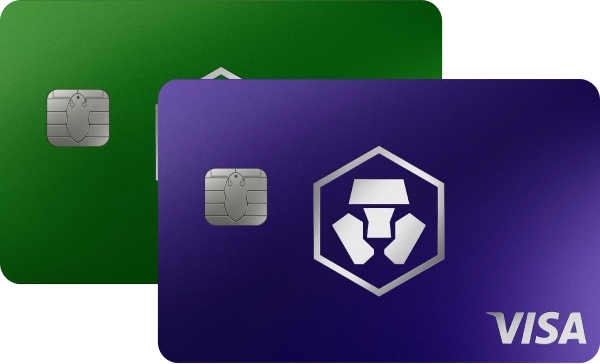
Budget-friendly crypto cards for 2026
Finding a crypto card that balances low fees with solid rewards requires looking past the headline APY numbers. In 2026, the "budget" tier has evolved from basic no-frills cards to platforms offering competitive cashback on everyday spending without demanding high monthly balances or locked staking requirements. The tradeoff is usually in the exchange rates and reward caps, but for casual users, these cards often provide the best entry point into crypto spending.
When evaluating budget options, focus on three concrete factors: the foreign transaction fee structure, the reloadable nature of the card, and the supported cryptocurrencies. Cards like the Coinbase Card and Crypto.com Visa Card (base tier) remain popular because they integrate seamlessly with existing crypto holdings. They allow you to spend directly from your wallet, effectively converting crypto to fiat at the point of sale. While the base tiers may offer lower reward multipliers compared to premium metal cards, they avoid the high annual fees that often negate those rewards for moderate spenders.
Another strong contender in the budget space is the Wirex card, which supports multiple fiat and crypto currencies. This flexibility is particularly useful for travelers or those who hold diverse digital assets. The key is to ensure the card supports the specific coins you hold and that the spread (the difference between the buy and sell price) is reasonable. Many budget cards charge a small spread on conversions, which can add up if you are spending frequently. Always check the fee schedule for currency conversion and ATM withdrawals, as these hidden costs can quickly erode any rewards earned.
For those prioritizing self-custody and privacy, Tria offers a technically ambitious approach. Backed by significant pre-seed funding, Tria allows users to spend from their own wallets without moving funds to a centralized exchange. This reduces counterparty risk, a major concern for crypto natives. However, the user experience may be less polished than established players like Coinbase or Crypto.com. If you are comfortable with a slightly steeper learning curve, Tria provides a unique blend of security and spending utility that appeals to the more technically inclined budget user.
Shortlist real options
Choosing the right crypto card in 2026 requires balancing yield potential against spending flexibility. The market has shifted from niche hardware wallets to integrated neobanks that offer seamless on-ramping. We have evaluated the strongest contenders based on fee structures, reward tiers, and regulatory standing.
The following table compares the top five cards currently available to US and global users. We focused on cards that offer tangible benefits, such as zero foreign transaction fees or high APY on stablecoin balances, rather than speculative rewards.
| Card | FX Fee | Primary Reward | Custody Type |
|---|---|---|---|
| Coinbase One | 0% | 1% Cash Back | Custodial |
| Crypto.com Visa | 0% (Mint Card) | Up to 5% mCOIN | Custodial |
| Tria | 0% | High APY on Stablecoins | Self-Custodial |
| OKX Card | 0% | Up to 8% USDT Back | Custodial |
| Gemini Credit | 0% | 2% GEM per $1 | Custodial |
Coinbase One
Best for everyday spending with zero fees. The Coinbase One subscription waives trading fees and offers a flat 1% cash back on purchases when paid in USD. It integrates directly with your existing Coinbase balance, making it the easiest bridge between traditional banking and crypto assets for casual users.
Crypto.com Visa
Best for high-volume spenders seeking maximum rewards. The tiered system rewards higher spending with higher mCOIN yields, up to 5% on the Mint Card. While the rewards are attractive, users must lock up significant capital in CRO tokens to access the top tiers, which adds complexity and risk.
Tria
Best for self-custody advocates. Tria stands out as the only major card that allows you to spend directly from a self-custodial wallet without moving funds to an exchange. Backed by pre-seed funding, it offers high APY on stablecoins while maintaining non-custodial security, appealing to privacy-focused users.
OKX Card
Best for USDT-heavy portfolios. The OKX Card offers up to 8% cash back in USDT on all spending, paid daily. This is particularly advantageous for users who hold stablecoins, as it provides a consistent yield on idle assets without requiring complex staking mechanisms.
Gemini Credit Card
Best for earning native ecosystem tokens. This credit card rewards users with 2% Gemini Dollar (GUSD) for every dollar spent. It is ideal for those who want to build a stablecoin reserve while spending, effectively turning everyday purchases into a savings account.


As an Amazon Associate, we may earn from qualifying purchases.
The choice ultimately depends on your custody preference. If you prioritize ease of use and rewards, custodial cards like Coinbase One or OKX are superior. If security and self-custody are paramount, Tria offers a unique solution that bridges the gap between convenience and control.
Inspect the expensive parts
Use this section to make the Best Crypto Cards for decision easier to compare in real life, not just on paper. Start with the reader's actual constraint, then separate must-have requirements from details that are merely nice to have. A practical choice should survive normal use, maintenance, timing, and budget. If a recommendation only works in an ideal situation, call that out plainly and give the reader a fallback path.
-
Verify the basicsConfirm the core specs, condition, and fit before comparing extras.
-
Price the downsideLook for the repair, maintenance, or replacement cost that would change the decision.
-
Compare alternativesCheck at least two comparable options before treating one listing as the benchmark.
Ownership costs that eat your rewards
A crypto card with zero annual fees looks like a bargain until the hidden costs appear in your transaction history. The sticker price is rarely the final price. You need to look past the welcome bonus and calculate the actual cost of holding and spending.
Maintenance surprises
Some cards require you to lock up a significant amount of crypto in a staking pool to keep the card active or to unlock higher cashback tiers. If the value of that staked asset drops, you lose money twice: the market loss and the opportunity cost of having your funds tied up. Others charge inactivity fees if you don’t swipe the card at least once a month. These small monthly charges add up quickly, turning a "free" card into a liability.
When cheap stops being cheap
The biggest ownership cost is usually the conversion fee. When you spend $100, the provider converts your crypto to fiat at an exchange rate that includes a spread. This spread can range from 1% to 3% or more. If you earn 1% cashback but pay 2% in conversion fees, you are effectively paying 1% to use the card.
To avoid this trap, compare the total cost of ownership. Multiply the conversion fee by your estimated monthly spend and subtract the annual fee. If the fees exceed the rewards you earn, the card is costing you money. Choose a card where the rewards structure actually outpaces the friction costs of spending.

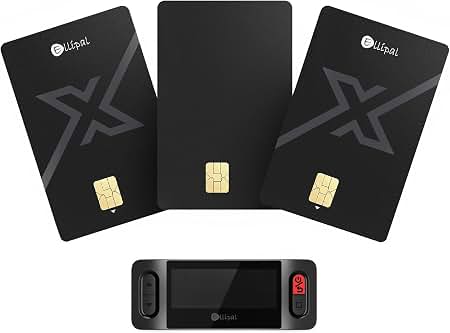
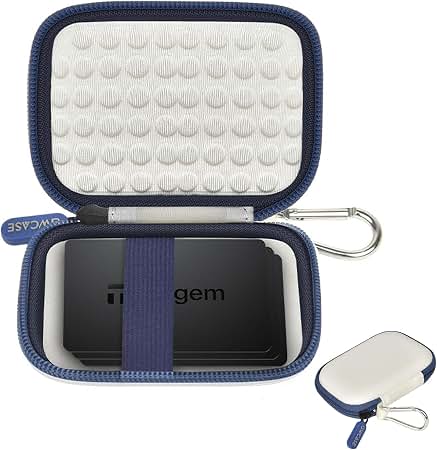
As an Amazon Associate, we may earn from qualifying purchases.
Crypto cards 2026: what to check next
Before committing to a card, it helps to separate marketing hype from actual utility. The market has shifted from offering generous sign-up bonuses to focusing on sustainable rewards and seamless spending. Here are the practical answers to the most common questions readers ask before applying.
Which crypto debit card is the best in 2026?
There is no single winner because the "best" card depends entirely on your spending habits and custody preferences. For self-custody users who want to spend directly from MetaMask or Trust Wallet without moving funds to an exchange, Oobit is a strong choice. It works at over 150 million Visa merchants globally. If you prefer centralized convenience, the Coinbase One Card offers robust rewards for heavy users, while the Crypto.com Visa Card remains a popular option for its tiered cashback structure.
What is the best crypto card to have?
The best card is one that aligns with your daily life. If you travel internationally, prioritize cards with zero foreign transaction fees and low ATM withdrawal costs. For everyday spending, look for cards that offer high APY on idle crypto or generous cashback on categories like dining and groceries. Avoid cards with high monthly maintenance fees unless the rewards clearly outweigh the cost. Always check if the card supports the specific blockchains you hold, as some only support stablecoins or major assets like Bitcoin and Ethereum.
What is the most promising crypto in 2026?
While card rewards are important, the underlying assets matter for long-term value. Ethereum and Solana currently stand out for their stability and growth prospects. Ethereum provides the security and infrastructure for most DeFi applications, while Solana offers speed and low costs for everyday transactions. Other notable contenders include Chainlink for oracle infrastructure, Arbitrum for layer-2 scaling, and Sui for high-performance decentralized applications. Holding these assets in a card-linked wallet can provide both utility and potential appreciation.
What is the best crypto wallet in 2026?
Your wallet choice dictates your security and flexibility. For hardware security, Ledger remains the top pick for storing large amounts of crypto offline. Trust Wallet is the best software wallet for mobile users who want broad chain support. MetaMask is the standard for Ethereum and DeFi interactions, while Base offers a seamless experience for Coinbase users. If you are an active trader or NFT collector, Bitget Wallet provides advanced tools, and Exodus is a solid choice for desktop users who prefer a clean, intuitive interface.
No comments yet. Be the first to share your thoughts!