
Choosing a crypto debit card for 2026 on a budget
The landscape for crypto debit cards in 2026 has shifted from novelty to necessity, but the "best" option depends entirely on your spending habits and financial constraints. Unlike traditional credit cards, crypto cards often carry hidden costs like network fees, spread markups, or monthly subscription tiers that can erode your cashback rewards. To find a card that fits a tight budget, you must look beyond the headline reward rate and examine the fee structure.
Start by evaluating the monthly maintenance fees. Many providers waive these fees if you maintain a minimum balance of crypto assets or meet a certain monthly spending threshold. If you spend irregularly, a no-fee tier might be your only viable option, even if it offers lower rewards. Conversely, if you use your card for daily groceries and gas, a tiered subscription that unlocks higher cashback percentages may pay for itself within weeks.
Next, scrutinize the conversion spreads. When you spend crypto, the card provider converts it to fiat currency at a specific exchange rate. This rate often includes a spread—a difference between the market price and what you receive. A 1-2% spread is standard, but some cards charge up to 3% or more. For a budget-conscious user, avoiding high spreads is just as important as avoiding monthly fees, as these costs accumulate silently with every transaction.
Age and identity verification requirements also play a role in accessibility. Most reputable crypto debit cards require you to be at least 18 years old and pass a KYC (Know Your Customer) check. While this is standard for regulatory compliance, it means you cannot use anonymous or unverified platforms. Ensure the card issuer is licensed in your jurisdiction to avoid sudden account freezes or restrictions.
Finally, consider the trade-off between flexibility and convenience. Some cards allow you to load them with various cryptocurrencies, while others are locked to specific assets like Bitcoin or Ethereum. If you hold a diversified portfolio, a multi-asset card offers better liquidity, but it may come with higher transaction fees. For a budget approach, simplicity often wins: choose a card that aligns with the crypto you already hold to minimize conversion steps and costs.


As an Amazon Associate, we may earn from qualifying purchases.
Shortlist real options
Choosing the best crypto debit card in 2026 depends on whether you prioritize spending control, borrowing access, travel benefits, or crypto rewards. The market has shifted from speculative hype to practical utility, with major platforms like Coinbase, Crypto.com, and Nexo offering distinct advantages for different user profiles.
Below, we compare the strongest contenders based on real cashback after fees, supported by rankings from Eco and industry analysis. These cards bridge the gap between volatile assets and everyday purchasing power, allowing you to spend without manually converting tokens on-chain for every transaction.
For those seeking higher returns on spending, the Crypto.com Visa card offers up to 5% cashback, but this requires staking CRO tokens. This model suits users who already hold significant crypto assets and want to leverage them for premium benefits, including travel insurance and lounge access.
Nexo takes a different approach by allowing you to borrow against your crypto holdings without selling them, preserving your long-term positions while providing liquidity. This is particularly useful for users who believe in the long-term appreciation of their assets but need immediate spending power.


As an Amazon Associate, we may earn from qualifying purchases.
When selecting a card, consider how it integrates with your existing storage. Using a hardware wallet alongside your crypto debit card adds a layer of security, ensuring that your primary holdings remain safe even if your card details are compromised. Always prioritize cards that offer clear fee structures and transparent reward mechanisms.
How to inspect expensive failure points
Crypto debit cards look simple until a transaction fails or a fee structure traps your funds. Most users focus on cashback rates, but the real cost comes from hidden friction: high FX spreads, inactive fees, and slow on-chain settlements. Treat your card selection like a technical audit. You are checking for points where your money gets stuck or taxed.
Start by verifying the settlement layer. If the card relies on slow blockchain confirmations for fiat funding, your spending power is intermittent. A card that converts crypto to fiat instantly on the backend protects you from volatility during checkout. Check the provider’s documentation for their liquidity partners. If they do not disclose this, assume the conversion happens at a disadvantageous rate.
Next, audit the fee schedule for the "silent killers." Many cards advertise zero monthly fees but charge high FX conversion rates (often 2-3% above market). Others impose inactivity fees if you do not spend a minimum amount monthly. These small percentages compound quickly if you use the card for daily groceries or travel. Calculate the total cost of a typical monthly spend to see the real price.
Finally, test the customer support and dispute resolution process. Crypto transactions are irreversible by default. If a merchant charges you incorrectly, you need a card provider that acts like a traditional bank, offering chargeback protections. Look for cards that are regulated by major financial authorities (like the OCC or FCA) rather than just crypto licensing bodies. This regulatory layer is your only safety net when things go wrong.
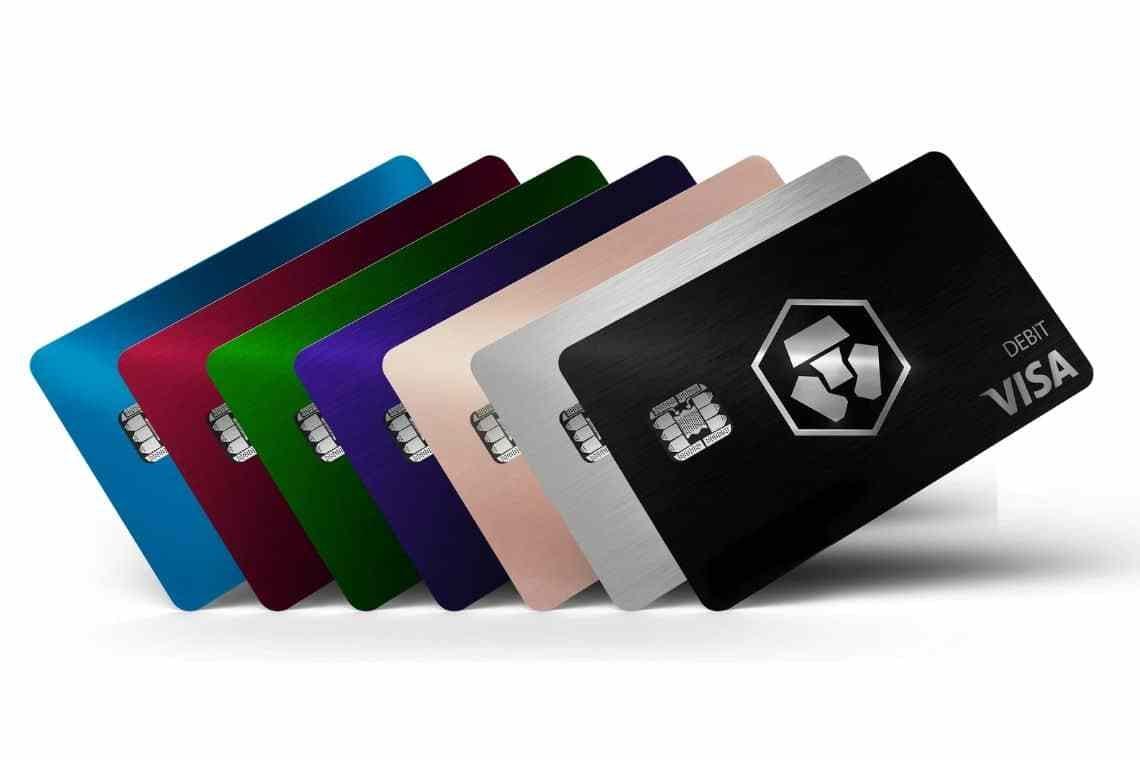
Verify if the card converts crypto to fiat instantly. Slow blockchain settlements mean your card might decline during peak volatility. Look for providers that use off-chain ledgers for instant spending.
Read the fine print for foreign transaction fees and inactivity penalties. A 2% FX spread on a $2,000 monthly spend equals $40 lost. Prioritize cards with zero FX fees for travel or international online shopping.
Ensure the issuer is regulated by a major financial authority (OCC, FCA, etc.). This provides chargeback rights and FDIC/SIPC insurance on held funds. Crypto-only licenses often lack these consumer protections.
Ownership costs
A crypto debit card’s headline fee is rarely the only expense you’ll pay. The real cost comes from how the card handles the conversion between your digital assets and the fiat currency merchants actually accept. When you tap to buy coffee, the card issuer must sell a portion of your crypto and buy dollars in real time. That trade happens at the point of sale, and the spread on that conversion is where the bulk of the cost hides.
Most cards advertise zero monthly maintenance fees or low annual costs, but these are just the entry price. You should look closely at the foreign transaction fees, which often sit between 1% and 3%, and the ATM withdrawal fees, which can be steep if you are pulling cash directly from a crypto balance. Some cards also charge a small fee for inactivity or for closing the account, which adds up if you are only using the card occasionally.
The tradeoff is usually speed versus cost. Instant conversion services are convenient for everyday spending, but they often come with a wider spread than using a centralized exchange to sell your crypto first. If you are spending large amounts, converting on an exchange with lower fees and then depositing fiat to a traditional bank account might be cheaper than using the card for every transaction. However, for small, frequent purchases, the convenience of instant spending often justifies the slightly higher cost.
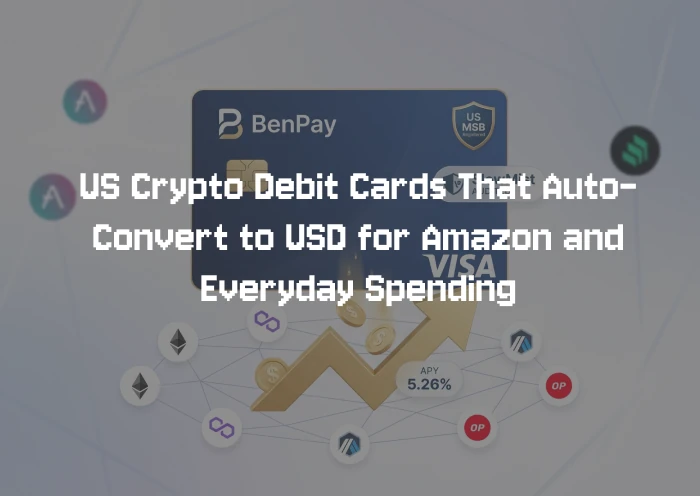

As an Amazon Associate, we may earn from qualifying purchases.
Crypto debit cards 2026: what to check next
Choosing the best crypto debit card in 2026 comes down to your spending habits. If you want rewards on everyday purchases, the Coinbase Visa® prepaid debit card is a strong contender for its ease of use. For those prioritizing travel benefits or higher cashback tiers, the Gemini Credit Card® or Crypto.com Visa cards often rank higher depending on your staking level.
Tax implications remain a primary concern for users. The IRS treats cryptocurrency as property, meaning every transaction—spending via a debit card or selling crypto—is a taxable event. While the card issuer doesn't "see" your private wallet keys, they report transaction data to tax authorities. You must track your cost basis to avoid unexpected tax bills at year-end.
Market volatility also influences card choices. Some cards auto-convert crypto at the point of sale, locking in the current value. Others let you hold your assets until the transaction clears. Understanding these mechanics helps you avoid selling at a loss during market dips.
No comments yet. Be the first to share your thoughts!