
How we picked the top crypto cards
We ranked crypto debit cards by the actual cost of spending, not just the headline reward percentage. A card offering 3% cashback becomes a poor choice if it charges a 3% foreign transaction fee or a 2% crypto-to-fiat conversion spread. In international travel or cross-border shopping, these hidden costs erase rewards instantly.
Our evaluation process prioritized transparency and real-world usability. We examined fee schedules from official provider documentation to identify hidden charges that only appear during specific transactions. Cards with vague fee structures or high conversion spreads were excluded, regardless of their marketing claims.
Security and regulatory compliance form the foundation of our selection. We verified that each card operates under appropriate financial licenses and employs industry-standard security measures, such as biometric authentication and instant freeze capabilities. This ensures that your funds remain protected while maintaining the flexibility of traditional debit spending.
Best crypto debit cards for everyday spending
Picking a crypto debit card for daily use comes down to the total cost of spending. Many cards advertise high cashback percentages but hide fees that eat into those rewards. The cards below offer no foreign transaction fees and tangible rewards, making them practical for everyday purchases.
Coinbase Card
The Coinbase Card is a straightforward option for users who want to spend crypto directly from their exchange wallet. It allows you to convert your crypto holdings into fiat currency at the point of sale. This card is particularly useful for those who already hold assets on the Coinbase platform and want to use them without manual withdrawal steps.
Rewards are paid in the cryptocurrency you hold, which can be advantageous if you plan to keep your assets long-term. There is no annual fee, and the card supports major cryptocurrencies like Bitcoin, Ethereum, and stablecoins. However, the exchange rate applied during conversion may include a spread, so it is important to check the real-time rate before confirming large purchases.
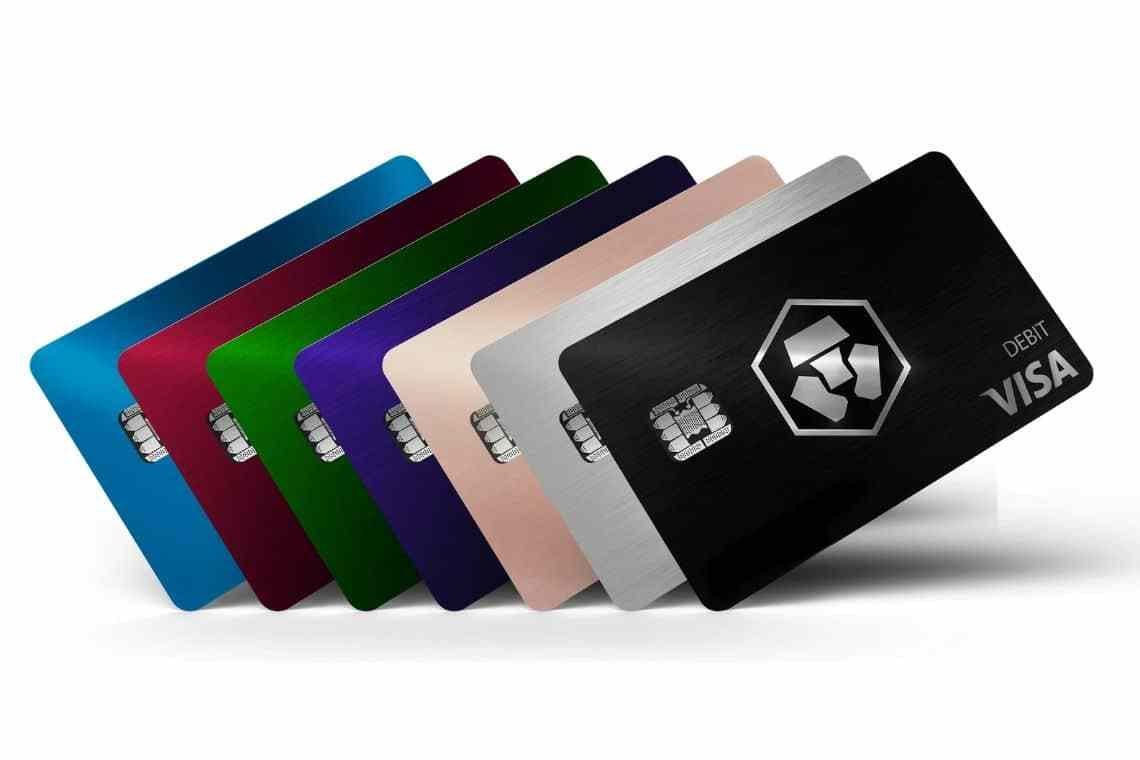
Crypto.com Visa Card
Crypto.com offers a tiered Visa card system where benefits increase with the amount of CRO tokens you stake. Lower tiers provide modest cashback and basic perks, while higher tiers offer significant rewards and premium travel benefits. This structure allows users to choose a card that matches their current holding size.
The card waives international transaction fees, which is essential for travelers. It also accepts a wide range of cryptocurrencies for funding. Users should be aware that staking requirements can tie up capital, and the value of the staked tokens can fluctuate. This card is best for those who want a high-reward card and are comfortable locking up assets to access better rates.
Nexo Card
The Nexo Card is unique because it allows you to spend against your crypto collateral without selling it. This means you can maintain your crypto positions and avoid triggering taxable events associated with selling assets. Loans are issued at competitive interest rates, and you can access up to 90% of your portfolio's value.
This card is ideal for long-term investors who need liquidity without disrupting their investment strategy. It offers no international transaction fees and cashback rewards paid in Nexo Token. The interest rates are daily, so you only pay for the days you use the borrowed funds. This makes it a flexible tool for managing cash flow while keeping your crypto assets intact.
Bitpanda Pro Card
Bitpanda Pro Card is a strong choice for European users, offering a seamless experience with a wide range of supported cryptocurrencies. The card allows you to spend directly from your Bitpanda account, converting crypto to fiat at the point of sale. It is designed for individuals seeking a simple, all-in-one solution for managing and spending their digital assets.
The card features no international transaction fees and competitive exchange rates. Rewards are paid in the form of cashback in the currency you spend. Bitpanda also offers a user-friendly app that tracks spending and rewards in real-time. This card is best for those who prioritize ease of use and a broad selection of supported assets.
| Card | Annual Fee | Cashback | FX Fee | Supported Assets |
|---|---|---|---|---|
| Coinbase Card | None | Varies | None | BTC, ETH, Stablecoins |
| Crypto.com Visa | Varies by Tier | Up to 5% | None | 150+ Cryptos |
| Nexo Card | None | Varies | None | 100+ Cryptos |
| Bitpanda Pro Card | None | Cashback | None | 100+ Cryptos |
Zero foreign transaction fees for travel
When you spend abroad, most traditional banks add a 3% foreign transaction fee to every purchase. Over a week-long trip, that fee compounds quickly, turning a simple coffee or taxi ride into an expensive lesson in hidden costs. For travelers using crypto debit cards, this fee is often the deciding factor between a card that saves money and one that drains your balance.
The best crypto debit cards for international travel waive these fees entirely. This means the exchange rate applied to your spend is the only cost you pay, typically matching the wholesale Visa or Mastercard rate. You avoid the markup that banks charge for processing cross-border transactions. This benefit is critical for high-volume spenders who use their card for hotels, flights, and dining while overseas.
Not all cards offer this benefit. Some crypto cards charge a flat fee per international transaction or apply a percentage surcharge. Always check the fee schedule before packing your card. Look for cards that explicitly state "no international transaction fees" in their terms. This ensures your crypto holdings go further, whether you are in London, Tokyo, or New York.


As an Amazon Associate, we may earn from qualifying purchases.
Choosing a card with no FX fees is a straightforward way to reduce your travel costs. It removes a hidden variable from your budget, allowing you to focus on the experience rather than the exchange rate. Prioritize cards that offer this benefit alongside low withdrawal fees and wide global acceptance.
How crypto to fiat conversion rates affect your spending
When you tap your crypto debit card at a coffee shop, the transaction isn't a simple swap. The provider converts your digital asset into local currency to settle the payment with the merchant. This conversion happens instantly, but it rarely occurs at the mid-market rate you see on financial news sites. Instead, providers apply a spread—a hidden markup built into the exchange rate.
This spread is where the real cost of spending crypto hides. While many cards advertise generous cashback percentages, such as 1% or 2%, the conversion spread can easily eat up those rewards before you even see them. For example, if a card charges a 1% spread on every transaction, a 1% cashback reward is effectively nullified. You are paying for the privilege of spending your own assets.
The size of this spread varies significantly by provider and asset. Major cryptocurrencies like Bitcoin and Ethereum often have tighter spreads due to high liquidity, while smaller altcoins may incur wider markups. Some providers advertise "zero FX fees" but compensate by widening the spread during the conversion process. Always look at the total cost of the transaction, including the spread, rather than just the stated cashback rate.
Frequently asked questions about crypto cards
What is the best debit card for crypto?
The "best" card depends on your spending habits and security needs. If you prioritize no foreign transaction fees and broad acceptance, cards like the Coinbase Card or Crypto.com Visa often top comparisons for everyday use. For users who want to spend specific altcoins, look for cards that support direct spending from self-custody wallets, such as the MetaMask or Ledger hardware wallet integrations. Always check the total cost of spending, including reload fees and network gas fees, rather than just the cashback percentage.
Can the IRS see your crypto wallet?
Yes. The IRS treats cryptocurrency as property, meaning every transaction is a taxable event. While the IRS cannot directly monitor every private wallet address, they have access to data from centralized exchanges through information returns (such as Form 1099-K). If you use a crypto debit card, the issuer reports your spending activity. To stay compliant, you must track every swap, spend, and transfer to calculate capital gains or losses accurately.
Are crypto debit cards safe?
Crypto debit cards are generally safe because they are backed by major financial institutions and insured by SIPC or FDIC up to certain limits for the fiat balance. However, the risk lies in how you fund them. Spending from a self-custody wallet exposes your private keys to potential phishing if you use unverified QR codes. Always use official apps and hardware wallets to sign transactions. Additionally, be aware that spending crypto triggers a taxable event, so the "safety" of your tax liability depends on your record-keeping practices.
What is the best cold wallet for crypto in 2026?
For most users, the Ledger Flex is considered the best overall crypto wallet in 2026 due to its integrated touchscreen and strong security standards. The Trezor Safe 5 and BitBox02 are also top-tier choices for those who prioritize open-source transparency and physical security. These devices keep your private keys offline, ensuring that even if your computer is compromised, your assets remain secure. Pairing a cold wallet with a reputable debit card offers the best balance of security and liquidity.
No comments yet. Be the first to share your thoughts!