
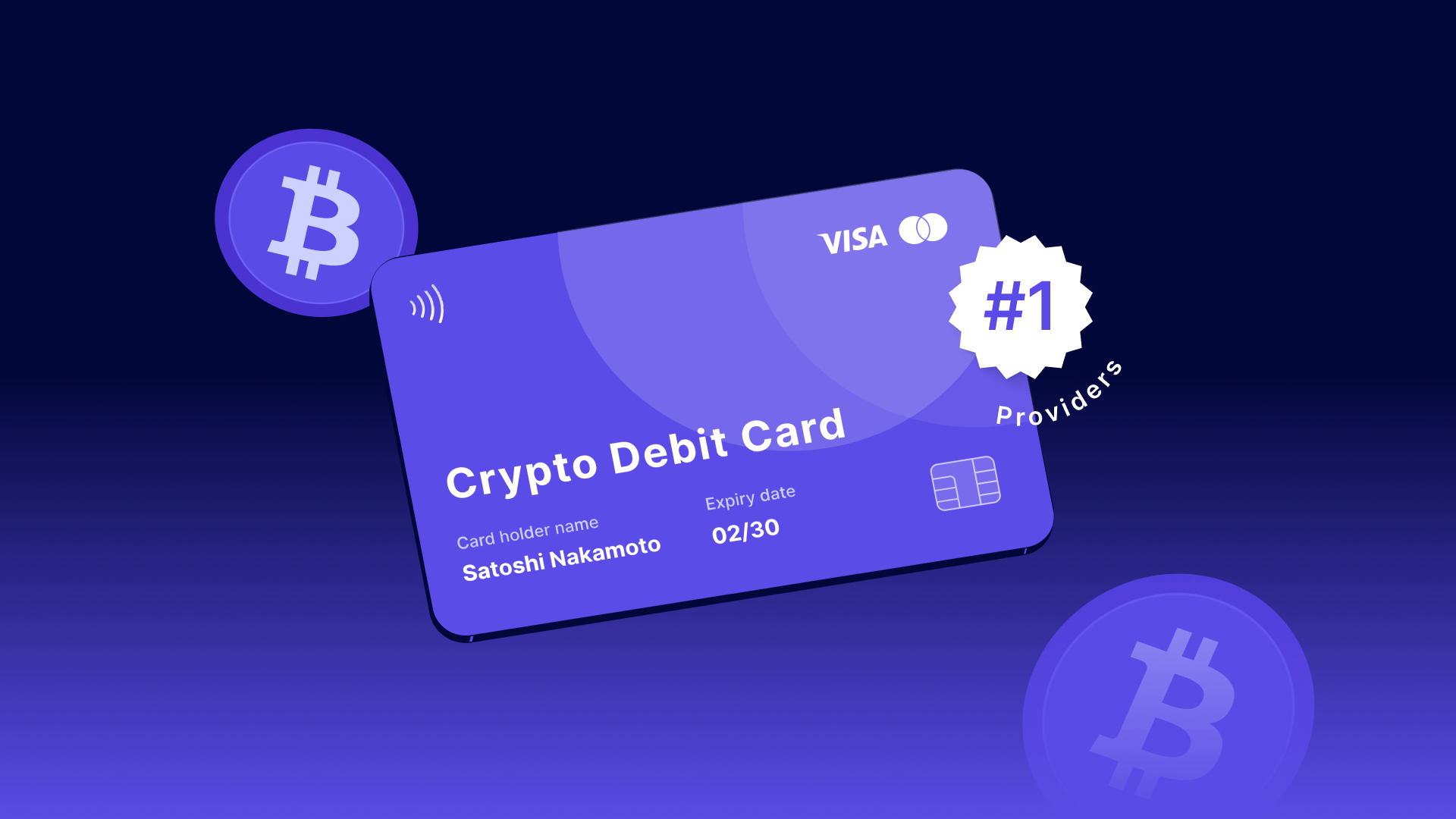
The Real Cost of Crypto Debit Cards in 2026
Finding the right crypto debit card means balancing monthly fees against actual spending habits. In 2026, the gap between "free" cards and premium tiers has widened, making it essential to calculate whether rewards outpace the costs before committing.
Monthly subscription fees are the most predictable expense. Cards like Crypto.com or Coinbase often offer higher cashback rates for paid tiers, but those fees can quickly erase value if you do not spend enough to hit the reward thresholds. Conversely, no-fee cards usually cap rewards at a flat 0.5% or 1%, which may not justify the effort of managing crypto conversions for small purchases.
Foreign transaction fees remain a hidden budget killer for travelers. Many crypto cards still charge 2–3% on international purchases, negating any crypto rewards earned. If you travel frequently, prioritize cards with zero foreign transaction fees, even if the base cashback rate is slightly lower.
Age and residency requirements also limit access. Most major issuers require users to be 18 or older and reside in supported jurisdictions like the US, UK, or EU. Always verify eligibility before applying, as rejected applications can sometimes trigger soft credit checks that temporarily impact your score.
Shortlist real options
Choosing the best crypto debit card in 2026 depends on whether you prioritize spending control, borrowing access, travel benefits, or crypto rewards. The market has shifted from novelty to utility, with major exchanges and fintech startups competing on fee structures and cashback rates.
We evaluated the strongest contenders based on real-world usability. The following comparison highlights the core differences between the top cards, focusing on fees, rewards, and supported currencies. Use this table to filter options that match your spending habits before committing to a provider.
| Card | Cashback | Monthly Fee | Supported Crypto |
|---|---|---|---|
| Coinbase Card | Up to 4% | None | BTC, ETH, SOL, USDC |
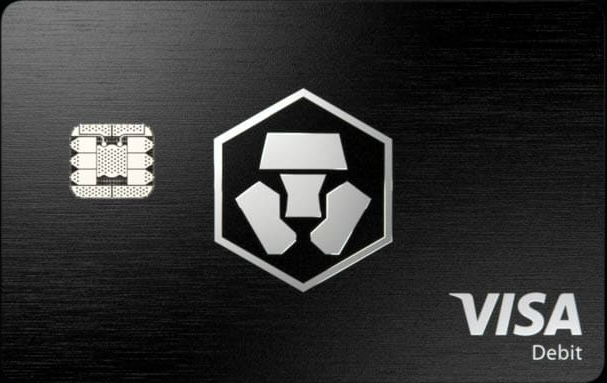
| Crypto.com Visa | Up to 5% | Varies by tier | CRO, BTC, ETH, USDT |
| Kast Card | Up to 3% | None | BTC, ETH, USDC |
| Gnosis Pay | Variable | Network fees only | Multi-chain assets |
| Bitpanda Card | Up to 3% | None | BTC, ETH, 50+ assets |
Each card offers a distinct trade-off. Coinbase and Kast appeal to users who want zero monthly fees and straightforward integration with major exchanges. Crypto.com offers higher potential rewards but requires staking its native token, which introduces market risk. Gnosis Pay stands out for its multi-chain support, catering to users who hold assets across different blockchains.
Inspect the expensive parts
Use this section to make the Best Crypto Debit Cards for decision easier to compare in real life, not just on paper. Start with the reader's actual constraint, then separate must-have requirements from details that are merely nice to have. A practical choice should survive normal use, maintenance, timing, and budget. If a recommendation only works in an ideal situation, call that out plainly and give the reader a fallback path.
-
Verify the basicsConfirm the core specs, condition, and fit before comparing extras.
-
Price the downsideLook for the repair, maintenance, or replacement cost that would change the decision.
-
Compare alternativesCheck at least two comparable options before treating one listing as the benchmark.
Ownership costs: when the buy stops being cheap
A crypto debit card’s sticker price is rarely the final price. Annual fees, ATM withdrawal charges, and currency conversion marks add up quickly, often erasing the value of any advertised cashback or rewards. The initial $0 annual fee or low monthly cost can feel like a bargain, but hidden maintenance costs turn a cheap entry point into an expensive long-term hold.
Most users overlook the spread between the interbank exchange rate and the card’s conversion rate. If your card charges a 2.5% fee on every international transaction or ATM withdrawal, that cost compounds with every purchase. A card offering 2% cashback on all spending becomes a net loss if you frequently withdraw cash abroad or shop in foreign currencies.
To avoid these surprises, check the fee schedule for three specific areas: monthly maintenance, ATM withdrawals, and foreign currency conversion. The best cards for 2026 balance low base fees with transparent conversion rates. Use the grid below to compare the actual cost of ownership for the top-rated options, focusing on the fees that matter most for your spending habits.

As an Amazon Associate, we may earn from qualifying purchases.
Crypto debit card 2026: what to check next
Choosing the right card often comes down to balancing fees against rewards. Here are direct answers to the most common questions about spending crypto in 2026.
Who has the best crypto debit card?
No single card dominates every category. For pure cashback and low fees, the Crypto.com Visa stands out. If you prefer earning rewards on everyday spending rather than high annual fees, the Coinbase Card is a strong contender. For travel perks, the Bitpanda Card offers distinct advantages. Your best choice depends on whether you prioritize rewards, low costs, or lifestyle benefits.
Can the IRS see your crypto wallet?
Yes. The IRS treats cryptocurrency as property, not currency. When you use a crypto debit card, the transaction is recorded on the blockchain. If the card issuer reports your activity to tax authorities, your spending history becomes visible. Always keep records of your transactions to calculate capital gains or losses accurately when filing taxes.
What crypto is going to explode in 2026?
Predicting market movements is impossible. While Bitcoin and Ethereum remain the most established assets for spending, altcoins carry significantly higher volatility. Using volatile assets as daily spending money exposes you to rapid value shifts. Most experts recommend using stablecoins or major cryptocurrencies for debit cards to minimize unexpected losses during transactions.
What are the top 10 best crypto cards?
The most frequently recommended cards in 2026 include Coinbase, Crypto.com, Nexo, Bitpanda, Gnosis Pay, and Kast. Newer options from MetaMask and Ledger are also gaining traction. When comparing these, focus on the annual fees, cashback rates, and supported cryptocurrencies. Avoid cards with high foreign transaction fees if you travel frequently.
No comments yet. Be the first to share your thoughts!