
How to Pick a Budget-Friendly Crypto Debit Card in 2026
Finding a crypto debit card that balances low fees with genuine utility requires looking past the headline cashback rates. In 2026, the market has shifted from aggressive acquisition bonuses to sustainable reward structures. A card that offers 5% back on crypto spending but charges $10 monthly maintenance or 3% foreign transaction fees will quickly erode your balance. The best budget options prioritize transparency and low barriers to entry.
Age and residency are the first filters. Most major issuers, including Coinbase and Gemini, require users to be at least 18 years old and reside in supported jurisdictions like the US or UK. Credit checks are rare for standard debit-linked cards, but some premium tiers may require a minimum balance or credit history. Always verify the issuer’s current eligibility list, as regulatory changes can restrict access in certain regions.
Fees are the silent budget killer. Look for cards with no annual fees and free ATM withdrawals up to a reasonable limit, such as the first three per month. Avoid cards that impose high spread fees when converting crypto to fiat at the point of sale. The goal is to spend your crypto as easily as cash, not to pay a premium for the convenience. Prioritize cards that let you spend directly from your wallet balance without locking up your assets.
Cashback structures vary widely. Some cards offer flat rates on all purchases, while others tier rewards based on staked tokens or account balance. For a budget-conscious user, a flat 1% back on all spending often beats a complex 3% back that requires holding $10,000 in a native token. Calculate the effective annual percentage yield (APY) of your rewards against the card’s costs to ensure it remains profitable.
Shortlist the best crypto debit cards 2026
Choosing a crypto debit card in 2026 comes down to balancing rewards with actual spending flexibility. While many platforms promise high cashback, the real value lies in low fees and widespread acceptance. The following options have emerged as the strongest contenders based on current fee structures and reward tiers.
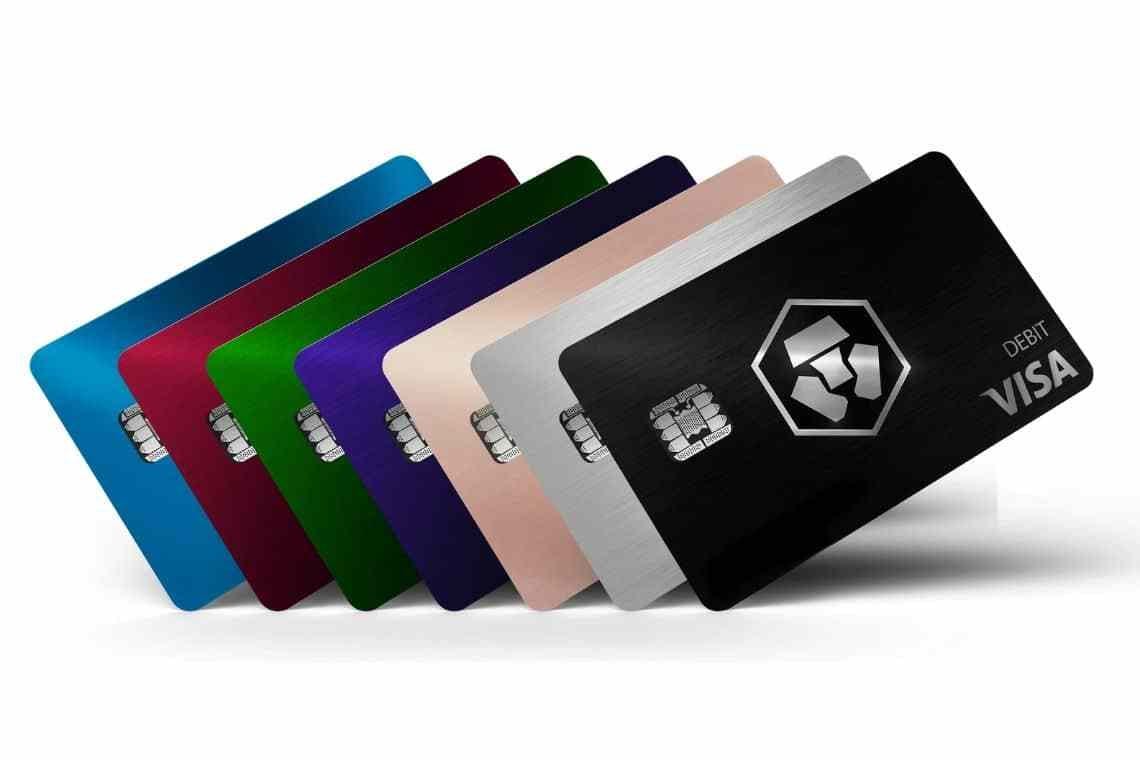
Crypto.com Visa Card
The Crypto.com Visa Card remains a top choice for users prioritizing cashback. It offers tiered rewards based on stake levels, with higher tiers unlocking significant cashback on everyday purchases. The card is widely accepted globally, making it a practical tool for daily spending rather than just a holding vehicle.
Coinbase One Card
For those already using the Coinbase ecosystem, the Coinbase One Card provides a seamless experience. It allows direct spending from your crypto balance without manual conversion steps. The card is particularly useful for heavy crypto users who want to liquidate assets instantly while shopping, though availability may vary by region.
Binance Card
The Binance Card continues to serve users who want to spend directly from their Binance accounts. It supports a wide range of cryptocurrencies and offers cashback in BNB, which can be further utilized within the Binance ecosystem. This card is ideal for users who prefer to keep their assets on a single platform for both trading and spending.
Gemini Credit Card
Gemini’s offering stands out for its focus on everyday spending rewards. It is often highlighted for its straightforward cashback structure and integration with fiat accounts. This makes it a safer option for users who want to minimize crypto volatility risks while still earning rewards on traditional purchases.
| Card | Primary Reward | Key Fee Note | Best For |
|---|---|---|---|
| Crypto.com Visa | Tiered Cashback | Stake required for high tiers | High cashback seekers |
| Coinbase One Card | Crypto Balance Spend | Standard transaction fees | Coinbase ecosystem users |
| Binance Card | BNB Cashback | Conversion fees apply | Binance account holders |
| Gemini Credit Card | Everyday Cashback | Annual fee possible | Everyday spending |
Kast and Gnosis Pay
Newer entrants like Kast and Gnosis Pay are gaining traction by focusing on decentralized finance (DeFi) integration. Kast offers a card that links directly to DeFi protocols, allowing users to spend from yield-generating assets. Gnosis Pay provides a similar experience with a focus on transparency and low fees, appealing to privacy-conscious users.
Bitpanda and Nexo
Bitpanda and Nexo cater to European and international markets with robust support for multiple fiat currencies. Bitpanda’s card allows spending across a wide array of assets, while Nexo offers instant crypto-to-fiat conversion with competitive interest rates on held assets. These cards are suitable for users who need multi-currency support and global accessibility.
Inspect the expensive parts
Crypto debit cards offer convenience, but the fee structures can quietly erode your funds if you don't check the fine print. Most users focus on the cashback percentage, yet the hidden costs often outweigh the rewards. Treat this inspection like a pre-flight checklist: catch the expensive failure points before you swipe.
Standard bank ATMs charge $2.50 to $5.00 per transaction. Crypto cards often add their own proprietary fee on top of that. Some providers waive these fees if you hold a certain tier of native tokens, but the threshold can be steep. If you withdraw cash frequently, this double-layer fee will destroy your net value.
When you spend in a foreign currency, the card network (Visa/Mastercard) gives you a wholesale rate. The card issuer then adds a markup. Look for cards that offer "zero FX fees" or a low markup (under 1%). A 3% markup on a $1,000 vacation is $30 lost instantly. This is often the most expensive silent fee for travelers.
When you spend crypto, the provider converts it to fiat. They rarely use the exact mid-market price. They take a "spread"—buying your crypto slightly below market value. This spread can range from 1% to 3%. If you hold volatile assets, this spread is a hidden tax on every purchase. Prefer cards that let you choose which coin to spend from to avoid forced conversions at bad rates.
Some premium cards charge $10 to $30 monthly unless you meet high spending or staking requirements. If you use the card occasionally, this fee is pure waste. Calculate the break-even point: how much cashback do you need to earn to cover the monthly cost? If the math doesn't work, stick to a no-fee basic tier.
Plan for ownership costs
A crypto debit card’s headline fee is rarely the only cost. The real expense usually hides in the spread between the crypto’s market price and the rate at which your card converts it to fiat for merchants. Understanding these hidden layers helps you decide if a card’s cashback actually offsets its friction.
The conversion spread is the silent killer of value. Most issuers do not charge a separate "crypto conversion fee." Instead, they apply a spread to the exchange rate when your card sells your crypto to pay for a coffee or a flight. This spread typically ranges from 1% to 3%. If your card offers 1% cashback but charges a 2% spread on every transaction, you are losing money on every swipe. A card with zero cashback but a 0.5% spread will often save you more than a high-reward card with aggressive conversion fees.
Maintenance and inactivity fees are the second common trap. Many crypto cards require you to hold a certain balance of the issuer’s native token to keep your account active or to unlock higher cashback tiers. If you stop staking those tokens, your cashback rate might drop to zero, or you might face a monthly account fee. Always check the staking requirements. If you only use the card occasionally, a no-stake card with a flat fee structure is usually cheaper than a complex reward system that demands constant attention.
Foreign transaction fees matter if you travel. Some crypto cards waive these fees entirely, while others charge 1-2% on international purchases. Since crypto cards are often marketed to digital nomads or frequent travelers, this fee can add up quickly. Compare the total cost of a transaction abroad: conversion spread plus foreign transaction fee. A card that looks cheap at home might be expensive overseas.


As an Amazon Associate, we may earn from qualifying purchases.
Crypto debit cards 2026: what to check next
Crypto debit cards bridge the gap between digital assets and daily spending, but the market has shifted significantly in 2026. With regulatory scrutiny tightening and fee structures evolving, choosing the right card requires looking beyond headline rewards. Below are answers to the most common practical questions about using crypto cards for everyday transactions.
While the focus here is on spending, the broader crypto landscape in 2026 is expanding beyond simple payments. Industry analysis suggests that 2026 will be a significant year for digital asset public listings, with many companies planning to add tokenized assets to their portfolios. This shift may eventually influence how crypto cards integrate with institutional-grade assets, but for now, standard debit cards remain the most practical tool for everyday use.
No comments yet. Be the first to share your thoughts!