
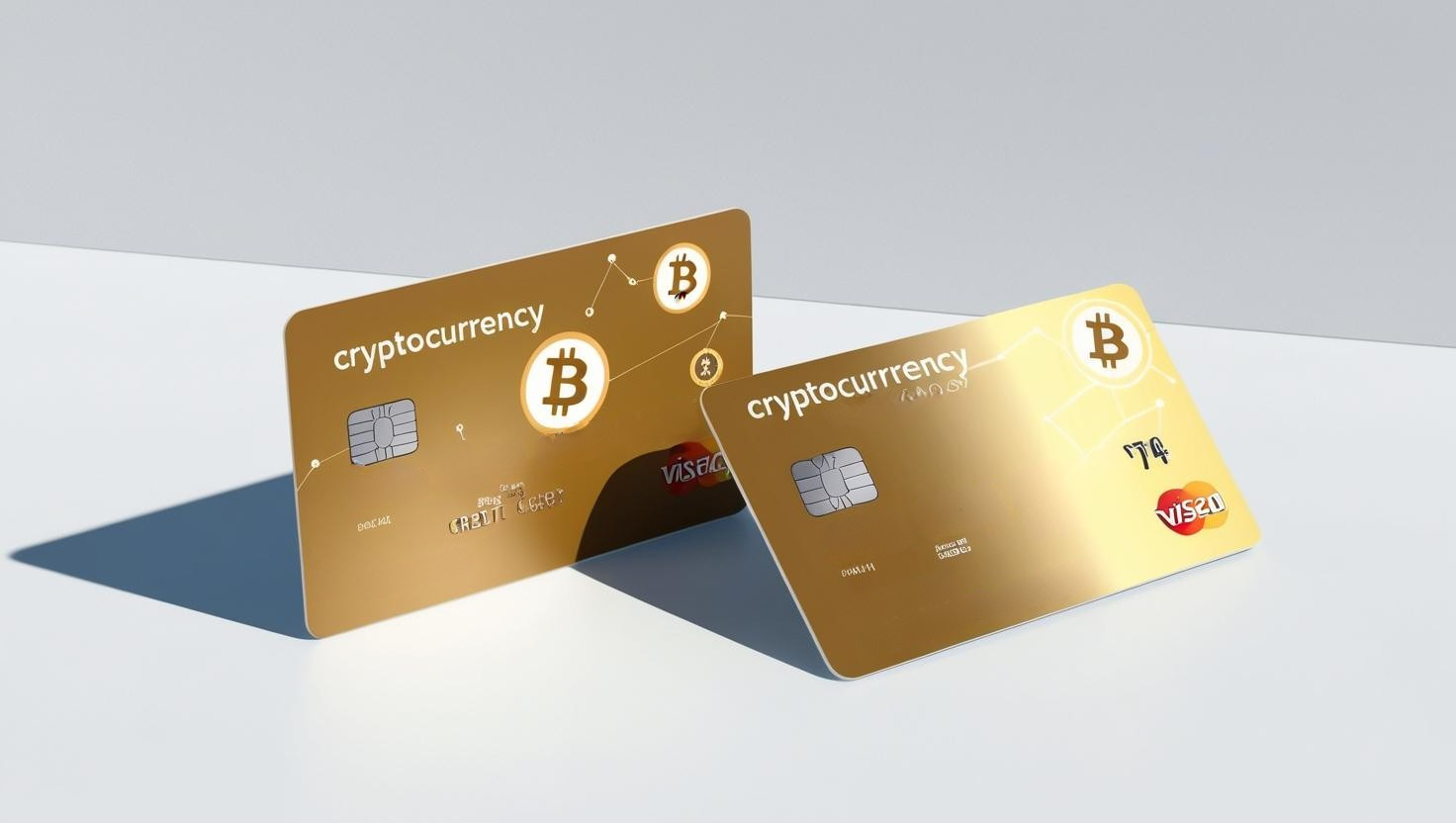
How we picked the best crypto debit cards 2026
Choosing the best crypto debit card in 2026 requires looking past marketing claims to verify actual costs and rewards. We evaluated each card based on three concrete metrics: fee structures, global acceptance networks, and real cashback rates after fees are applied. This approach ensures the recommendations reflect what you will actually pay and earn, rather than what issuers promise in their brochures.
Fees are the primary differentiator. We examined monthly maintenance fees, ATM withdrawal charges, and foreign transaction costs. A card with high rewards but steep monthly fees often loses value for average users. We also verified which cards operate on major networks like Visa or Mastercard, ensuring they work at most point-of-sale terminals worldwide.
Rewards were calculated by applying typical monthly spending habits to each card’s tier system. We excluded cards that require locking up large amounts of crypto to unlock basic features, as these limit accessibility. The final list includes only cards that offer transparent, accessible terms for everyday spending.
Coinbase Card: Best Overall Crypto Debit Card
The Coinbase Visa® prepaid debit card stands out as the most accessible entry point for US users wanting to spend cryptocurrency directly. As one of the largest crypto exchanges, Coinbase has built a card that prioritizes simplicity over complex tiered rewards, making it the best all-around choice for everyday spending.
Unlike cards that require locking assets in long-term staking pools, the Coinbase Card lets you convert your crypto holdings into USD at the point of sale. This means you can pay for groceries, gas, or online subscriptions without worrying about market volatility affecting your immediate purchasing power. The card is funded directly from your Coinbase account balance, offering a seamless bridge between your digital assets and traditional retail merchants.
Rewards are straightforward: users earn up to 4% in Bitcoin back on eligible purchases, depending on their current Coinbase holdings. This Bitcoin cashback feature is unique among major platforms and appeals to those who prefer accumulating BTC rather than redeeming points for travel or gift cards. The rewards are automatically converted and deposited into your Bitcoin wallet, effectively turning every purchase into a small investment.
While the rewards structure may not match the high-tier benefits of premium credit cards, the lack of monthly fees and the ease of integration with the Coinbase app make it a practical tool for crypto-native spending. It removes the friction of manual exchanges, allowing users to spend their digital currency with the same convenience as a standard debit card.


As an Amazon Associate, we may earn from qualifying purchases.
Crypto.com Visa: Tiered Cashback Rewards
The Crypto.com Visa card stands out in the 2026 market for its aggressive, tiered cashback structure. Rather than offering a flat rate for all users, the platform ties reward percentages to the amount of its native CRO token locked in their wallet. This model rewards long-term commitment with significantly higher returns on everyday spending.
How the Tiered System Works
Rewards are categorized into three spending buckets: dining, travel, and entertainment. The percentage you earn depends entirely on your staking level. For example, users locking $400 worth of CRO (the lowest paid tier) receive 1% cashback on dining and 2% on travel and entertainment.
As you move up the tiers by locking more CRO, these percentages increase. The highest tier, requiring $400,000 in staked CRO, offers 5% cashback on dining and 8% on travel and entertainment. This structure allows users to customize their rewards profile, though it requires a substantial initial capital outlay to access the top rates.
Best For High-Volume Spenders
This card is most effective for users who already hold significant crypto assets and plan to spend heavily on specific categories. If your spending is spread evenly across groceries, gas, and retail, the complexity of the tiers may not justify the locking period. However, for those who frequently travel or dine out, the 5-8% returns on those categories can outperform traditional fiat credit cards significantly.
Best low fee option: Bybit Card
For traders who prioritize cost efficiency, the Bybit Card stands out as a practical tool for converting crypto to fiat without eroding margins. Investopedia highlights Bybit as the best option for cashback among low-fee cards, making it an attractive choice for users who want to minimize transaction drag while maintaining liquidity.
The card’s appeal lies in its straightforward fee structure. Unlike many competitors that burden users with high spreads or hidden conversion fees, Bybit keeps costs predictable. This transparency is essential for active traders who execute frequent transactions, as even small percentage differences can compound into significant losses over time.
Beyond basic spending, the card offers cashback rewards that align with high-volume usage. Instead of requiring complex staking tiers or locked assets to unlock benefits, Bybit provides value through everyday spending. This approach allows users to earn returns on assets they would otherwise spend, effectively turning routine purchases into a modest yield generator.
Crypto card vs traditional bank account
The fundamental difference between a crypto debit card and a traditional bank account lies in the underlying asset and how transactions settle. Traditional banking relies on fiat currency—dollars, euros, or yen—held directly in a regulated bank account. Crypto debit cards, by contrast, act as a bridge, converting your digital assets into fiat at the point of sale. This conversion happens instantly, meaning the volatility of your crypto balance does not affect the merchant or your spending power.
With a traditional account, your money sits in a ledger maintained by a financial institution, often insured by the FDIC (up to limits) or similar bodies depending on the country. Your spending is limited by your available fiat balance. With a crypto card, you spend the value of your crypto holdings. If you hold Bitcoin or Ethereum, the value of what you spend fluctuates with the market. However, the card network (Visa or Mastercard) ensures the merchant receives stable fiat currency immediately.
Key Differences at a Glance
| Feature | Traditional Bank Account | Crypto Debit Card |
|---|---|---|
| Asset Type | Fiat Currency (USD, EUR, etc.) | Cryptocurrency (BTC, ETH, USDC) |
| Transaction Settlement | Direct fiat transfer | Instant crypto-to-fiat conversion |
| Volatility Risk | None (for the user) | Market fluctuation before conversion |
| Rewards Structure | Cashback, points, or miles | Crypto rewards, cashback, or travel perks |
| Access Control | Bank-approved credit/debit lines | Self-custodied or exchange-held funds |
This distinction matters for spending control. A crypto card forces you to "spend what you have" in real-time value terms, acting as a check against overspending in volatile markets. Traditional accounts can sometimes obscure true spending power through credit lines or overdrafts, whereas crypto cards typically require the asset to be present in the linked wallet or exchange account before the transaction can clear.
Frequently asked questions about crypto cards
Which crypto debit card is best?
There is no single "best" card for everyone, as the right choice depends on your trading volume and spending habits. For low fees, look for cards with zero monthly maintenance costs and competitive FX rates. For cashback rewards, prioritize cards that offer high percentage returns on everyday purchases, even if they require holding specific tokens. Compare the fee structures of top contenders like Coinbase Card or Crypto.com to find the fit for your specific financial profile.
What is the best cold wallet for crypto in 2026?
While crypto debit cards handle daily spending, a cold wallet is essential for long-term storage. Hardware wallets like Ledger or Trezor remain the gold standard for keeping assets offline and secure from digital threats. Use your debit card for liquidity and everyday expenses, but move the bulk of your holdings to a cold wallet to protect against exchange failures or hacks.
Can my wife take my crypto in a divorce?
Cryptocurrency is generally treated as marital property in many jurisdictions, meaning it can be subject to division during divorce proceedings. The key factor is whether the assets were acquired during the marriage. Keep detailed records of all wallet addresses and transaction histories to ensure accurate disclosure and fair distribution.
Which crypto is supposed to do best in 2026?
Predicting specific crypto performance is highly speculative and depends on market cycles, regulatory changes, and adoption trends. Bitcoin and Ethereum often serve as foundational holdings due to their established networks, but altcoins can offer higher volatility and potential returns. Diversify your portfolio based on your risk tolerance rather than chasing short-term predictions.
No comments yet. Be the first to share your thoughts!