
Top crypto debit cards for 2026
Choosing the best crypto debit cards in 2026 requires balancing reward rates against transaction fees. The market has matured significantly, with major issuers now offering competitive cashback structures that rival traditional fintech competitors. However, the best option for you depends on whether you prioritize unlimited rewards, low foreign exchange fees, or specific cryptocurrency holdings.
Coinbase Card
The Coinbase Card remains a top choice for users who want simplicity and transparency. It offers unlimited crypto rewards on every purchase, with the reward amount fluctuating based on the specific cryptocurrency you hold in your Coinbase account. US users benefit from zero spending fees and no annual fees, making it a low-risk entry point for daily spending. The card is accepted at over 40 million merchants worldwide, ensuring broad utility for everyday transactions.
Crypto.com Visa Card
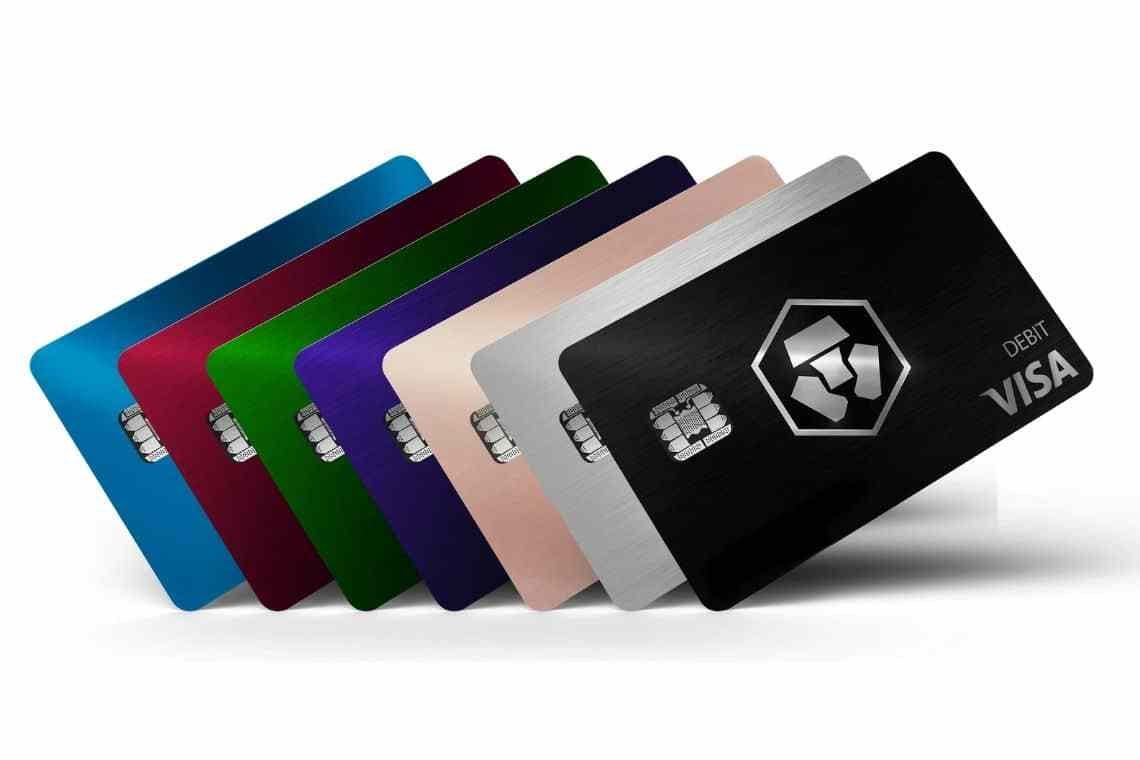
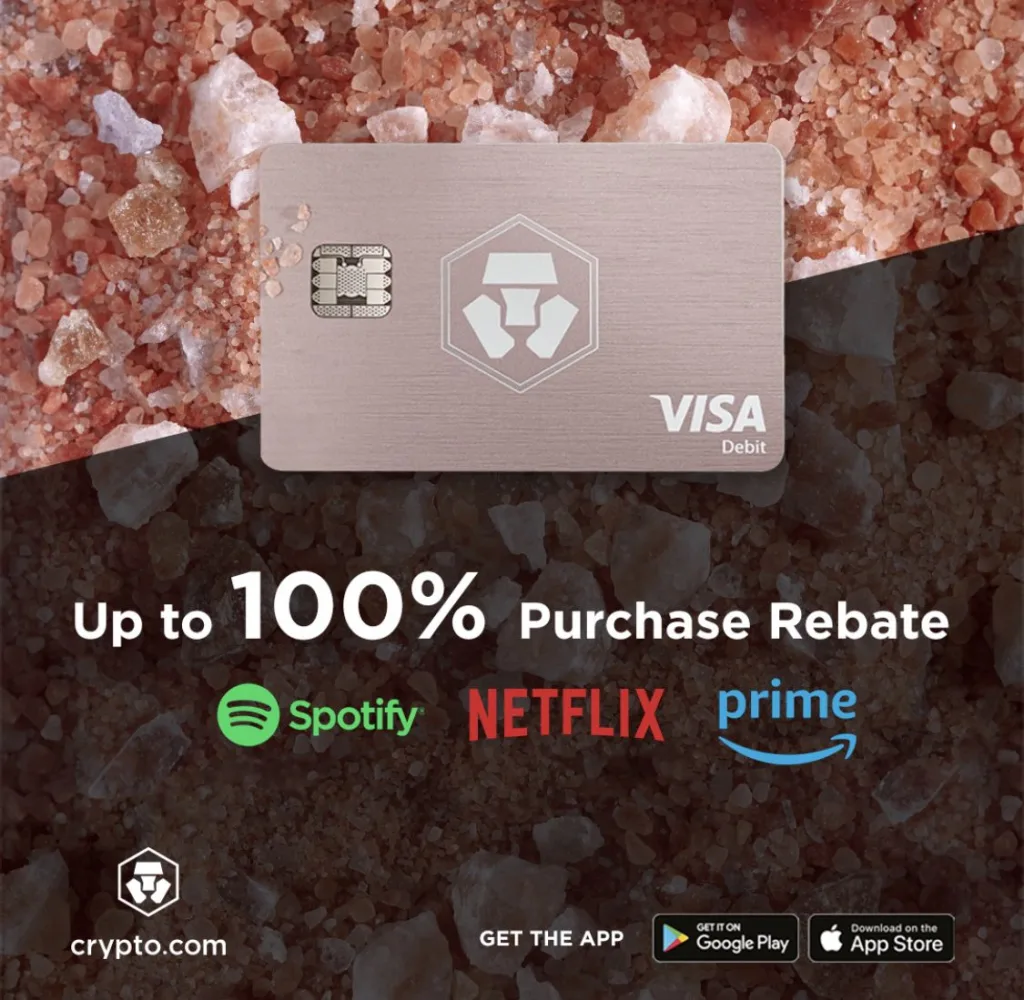
Crypto.com offers a tiered reward system where cashback rates increase with the amount of CRO tokens you stake. This model rewards long-term commitment, with higher tiers offering substantial percentage returns on spending. The card provides access to various perks, including streaming subscriptions and airport lounge access, depending on your stake level. It is particularly attractive for users who already hold CRO and want to maximize the utility of their existing portfolio.
Binance Card
For users deeply integrated into the Binance ecosystem, the Binance Card allows direct spending from spot wallets. It supports multiple cryptocurrencies, including BTC, ETH, and BNB, giving you flexibility in how you fund your purchases. The card often features promotional cashback rates that can significantly outperform standard offerings. It is ideal for active traders who want to offload assets gradually without executing separate sell orders first.


As an Amazon Associate, we may earn from qualifying purchases.
Compare fees, rewards, and limits
Choosing the best crypto debit cards 2026 requires looking past the headline cashback rates to see the actual cost of spending. Fees can quickly eat into rewards, especially if you make international purchases or withdraw cash from ATMs. The table below compares the most prominent options based on real-world usage data from official sources and recent rankings.
| Card | Cashback | ATM Fee | Intl. Fee |
|---|---|---|---|
| Crypto.com Visa | Up to 5% | $2 after $500 withdrawal | 2.5% |
| Coinbase Card | Up to 4% (BTC/ETH) | None | None |
| Kast Card | Up to 3% | $2.50 | None |
| Gnosis Pay | 0% (Gas-free txs) | Varies | None |
The Crypto.com Visa remains a top contender for high-volume spenders due to its tiered cashback structure, which can reach 5% for the highest loyalty levels. However, users should note the 2.5% international transaction fee, which can negate rewards on overseas purchases. The Coinbase Card offers a simpler, fee-free experience for international spending and zero ATM fees, but rewards are limited to Bitcoin and Ethereum holdings, which may not suit all investors.
For those prioritizing simplicity, Kast and Gnosis Pay offer competitive no-international-fee structures. While their cashback rates are lower, the absence of foreign transaction fees makes them efficient for travel or global online shopping. Always verify current tier requirements directly with the issuer, as crypto card programs frequently adjust their fee structures and reward multipliers.
How crypto cards turn crypto to fiat
When you swipe a crypto debit card at a store, the transaction looks identical to any other Visa or Mastercard purchase. The merchant receives standard fiat currency, and your bank statement shows a regular deduction. However, behind the scenes, a rapid conversion process bridges the gap between digital assets and traditional currency. Understanding this mechanism is essential for anyone evaluating the best crypto debit cards 2026 offers, as it directly impacts transaction speed, cost, and security.
Instant Conversion and Liquidity
The core function of these cards is automatic asset liquidation. Most providers, such as Coinbase, do not require you to manually sell your Bitcoin before spending. Instead, the card network triggers an immediate sale of the required amount from your linked crypto wallet at the point of sale. This liquidity layer ensures that merchants receive fiat instantly, while you spend your digital holdings. The exchange rate applied is typically the current market price at the moment of the transaction, minus any spread or fee charged by the provider.
Custody Models: Custodial vs. Non-Custodial
A critical distinction among card providers is who controls the private keys to your funds. Custodial cards, like those from major exchanges, hold your assets on your behalf. This model offers convenience and often includes insurance or recovery options if you lose access to your account, but it requires trusting the platform with your security. Non-custodial models, often associated with Web3 protocols like MetaMask, give you full control. You connect your own wallet, and transactions are signed directly by you. This approach eliminates counterparty risk but places the entire burden of security on the user.
Network Fees and Settlement
While the conversion happens instantly, the underlying blockchain settlement can vary. Some cards settle transactions on-chain, incurring variable network gas fees, while others use off-chain ledgers that batch transactions for efficiency. This structural difference often explains why some crypto cards charge higher annual fees or transaction percentages. When comparing options, look for cards that minimize these hidden costs by using efficient settlement layers or offering fee waivers for specific spending tiers.
Frequently asked questions about crypto cards
What is the best crypto debit card for cashback in 2026?
The best crypto debit cards 2026 options typically include the Crypto.com Visa Card and the Coinbase Card. These cards allow you to spend cryptocurrency directly while earning cashback or rewards in crypto. The Crypto.com Visa Card is notable for its tiered cashback structure, which increases with the amount of CRO tokens you stake. The Coinbase Card offers rewards in the specific cryptocurrency you hold, allowing you to spend your assets without selling them at a loss.
Are crypto debit card transactions taxable?
Yes, spending crypto via a debit card is a taxable event in most jurisdictions. When you use a crypto debit card, the system sells your cryptocurrency to cover the purchase. This sale triggers a capital gains or loss calculation based on the difference between your cost basis and the sale price at the time of the transaction. You must report these transactions on your tax return. Tools like Koinly or CoinTracker can help track these sales automatically.
How secure are crypto debit cards?
Crypto debit cards are generally as secure as traditional bank cards, provided you follow standard security practices. Most issuers offer virtual cards for online shopping and allow you to freeze or unfreeze your card instantly via their mobile apps. Two-factor authentication (2FA) is mandatory for most transactions. However, you should be aware that if your card is compromised, recovering stolen crypto can be more difficult than recovering fiat currency, as blockchain transactions are often irreversible.
Do I need a traditional bank account to use a crypto debit card?
No, you do not need a traditional bank account to obtain or use most crypto debit cards. These cards are funded directly by the cryptocurrency balances in your associated exchange or wallet account. You can load the card by transferring crypto from your exchange wallet, and purchases are deducted from that crypto balance. This makes them accessible to unbanked individuals who primarily hold digital assets.
Which crypto debit cards are available internationally?
Availability varies by issuer. The Binance Card was previously a strong international option but has scaled back operations in several regions. The Crypto.com Visa Card and the Coinbase Card offer global usage, but specific features and rewards may differ depending on your country of residence. Always check the issuer’s website for a list of supported countries before applying, as regulatory restrictions can change frequently.
No comments yet. Be the first to share your thoughts!