
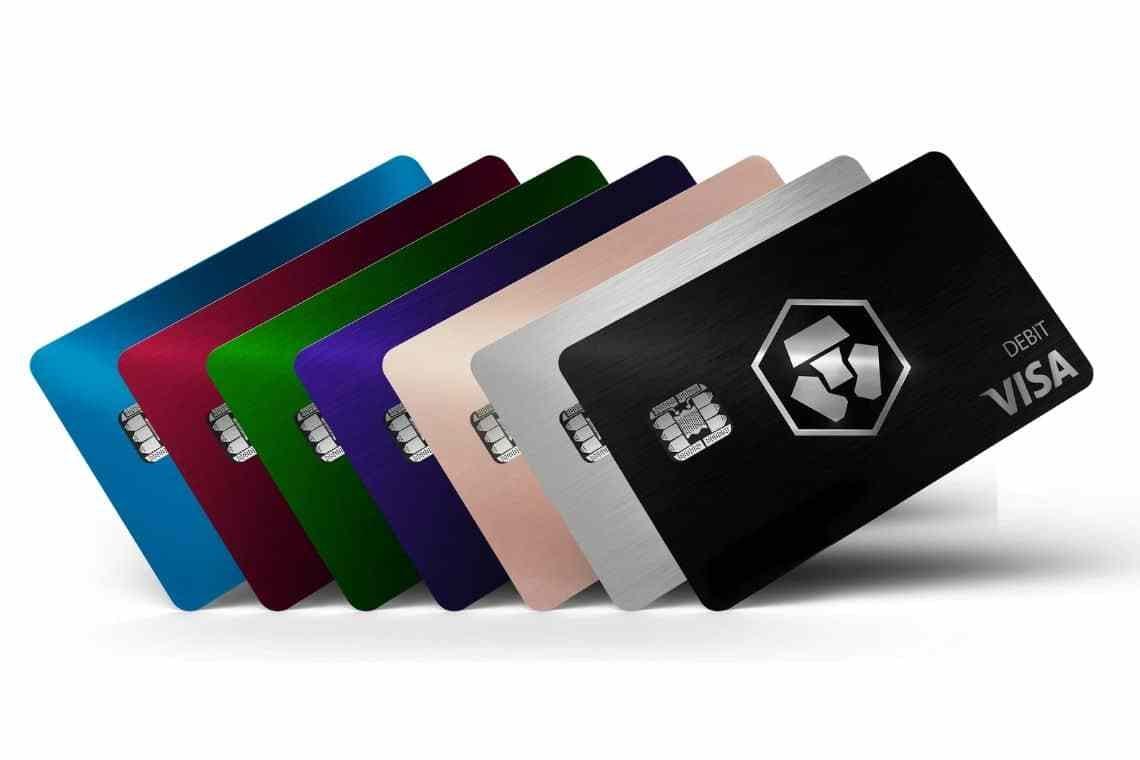
How crypto debit cards work in 2026
A crypto debit card functions as a bridge between your digital assets and the traditional banking system. Unlike a credit card, which allows you to borrow money from a financial institution and pay it back later with interest, a crypto debit card is linked directly to your cryptocurrency holdings. When you make a purchase, the card processor communicates with the exchange or wallet provider to convert your digital tokens into fiat currency—such as US dollars or euros—in real time.
This liquidation process happens instantly at the point of sale. For example, if you use a card linked to a Crypto.com Visa Card or the Coinbase Card to buy groceries, the system sells the exact amount of Bitcoin, Ethereum, or stablecoin required to cover the transaction. The merchant receives standard fiat currency, while your crypto balance decreases by that amount plus any applicable network fees. This mechanism means you are spending your own assets, not taking on debt, which eliminates interest charges and the risk of overspending beyond your actual portfolio value.
Because the conversion occurs in seconds, you do not need to manually sell your assets before shopping. However, this convenience comes with tax implications in many jurisdictions. Each transaction that converts crypto to fiat is often considered a taxable event, meaning you must track the cost basis of the specific coins spent to calculate capital gains or losses accurately. Understanding this workflow is essential for managing the best crypto debit cards 2026 options effectively without unexpected tax surprises.
Top crypto debit cards for rewards
Choosing the best crypto debit cards 2026 often comes down to one factor: what you get back when you spend. While many cards offer basic spending power, the top performers differentiate themselves by turning everyday purchases into staking rewards or direct cashback. These cards effectively use your spending habits to compound your crypto holdings, making them more than just payment tools.
Below is a comparison of the highest-performing cards based on current reward structures. This table highlights the concrete benefits you can expect from each provider.
Crypto.com Visa
The Crypto.com Visa card remains a market leader for users willing to stake its native CRO token. The reward structure is tiered, meaning your cashback percentage depends on how much CRO you lock up. Higher tiers offer up to 5% cashback on all purchases, which is among the highest flat rates in the industry. The card also provides access to premium benefits like Spotify and Apple Music subscriptions at higher staking levels.
Coinbase Card
For users already in the Coinbase ecosystem, this card offers a seamless way to spend crypto. Basic users receive 0.5% back in ETH, while Coinbase One subscribers can earn up to 4% back in various tokens. The primary advantage here is simplicity; you can spend your crypto directly without manually converting it first. This makes it a strong option for daily transactions where ease of use outweighs the need for maximum reward rates.
Binance Card
The Binance Card caters to high-volume traders and BNB holders. By staking BNB, users can unlock cashback rates up to 8%, significantly higher than most competitors. The card supports a vast array of cryptocurrencies, allowing you to spend nearly any asset held in your Binance account. However, availability is restricted in certain regions, including the United States, so check local support before applying.
Kraken Card
Kraken’s offering is straightforward and fee-free. Users earn rewards in KR tokens, which can be used to pay for Kraken fees or held for potential appreciation. The maximum cashback rate is 3%, which is lower than Crypto.com or Binance but still competitive for a no-fee card. It is an excellent choice for users who prioritize low costs and want to support the Kraken ecosystem without locking up large amounts of capital.
Lowest fee crypto cards for budget users
When cost-efficiency is the priority, the best crypto debit cards 2026 are those that strip away monthly maintenance fees and minimize hidden costs. For budget-conscious users, a card that charges nothing to hold is the most valuable tool. These cards allow you to spend crypto without the friction of recurring subscription costs, making them ideal for everyday transactions where rewards points are less important than preserving your capital.
The market for low-fee cards has shifted significantly. While some premium cards offer high cashback rates, they often require minimum balances or monthly fees that negate savings for casual users. Budget-focused options, such as the Coinbase Card or Binance Card, typically operate on a no-monthly-fee model. This structure ensures that your spending power isn't eroded by administrative costs before you even make a purchase.
However, "no fee" does not mean "no cost." You must look beyond the monthly statement to understand the full price of using these cards. The real expenses usually come from transaction fees, foreign exchange spreads, or crypto-to-fiat conversion charges. A card with zero monthly fees might charge a 1% fee on every purchase, which adds up quickly compared to a card with a small monthly fee but zero transaction costs. Understanding this trade-off is essential for selecting the right tool for your spending habits.
To help you find the right card, we have curated a selection of physical crypto debit cards and starter kits available for purchase. These products represent the tangible side of the low-fee ecosystem, allowing you to hold and manage your digital assets with minimal overhead.

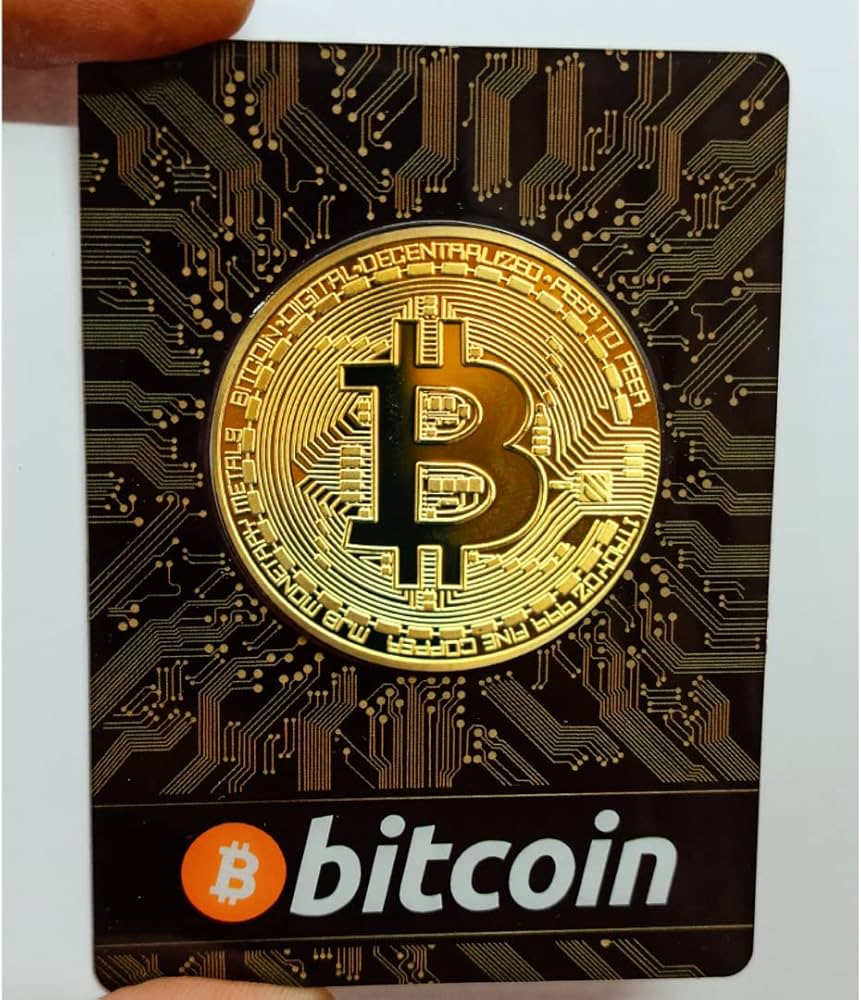
As an Amazon Associate, we may earn from qualifying purchases.
Key features to compare before applying
Choosing the best crypto debit cards 2026 requires looking past the headline cashback rates. The real value of a crypto card lies in the frictionless conversion of your digital assets into spendable fiat. Before applying, you must verify which assets the issuer supports, where you can legally use the card, and how much you can move without triggering excessive fees or limits.
Supported assets and conversion rates
Not all crypto debit cards treat your portfolio equally. Some issuers restrict spending to Bitcoin and Ethereum, while others support a wider basket including Solana or stablecoins. This matters because each asset may have a different conversion spread when swapped for fiat at the point of sale.
Cards that support multiple assets often use a multi-currency wallet structure. This allows you to choose which coin pays for a specific transaction. If you hold a volatile asset like Solana, you might prefer to spend it when prices are high, rather than locking your gains into a stablecoin prematurely. Always check the issuer’s official documentation for the full list of supported tokens.
Geographic availability and compliance
Crypto regulations vary wildly by region. A card that works seamlessly in Canada might be unavailable or restricted in the United States due to differing banking partnerships and regulatory scrutiny. For instance, Kraken’s card is primarily available to Canadian residents, while other major issuers target the US or European markets.
Before applying, confirm that the issuer holds the necessary licenses to operate in your jurisdiction. Using an unlicensed card can result in frozen funds or account closure if you travel or change addresses. Always verify the “Available Regions” section on the issuer’s website to avoid unexpected service interruptions.
Withdrawal and spending limits
Limits define the practical ceiling of your card. Daily spending caps, monthly withdrawal limits, and ATM cash-out restrictions can impact your daily life. High-limit cards often require higher tier verification or larger minimum balances.
If you plan to use your card for large purchases or frequent ATM withdrawals, prioritize cards with generous limits. Some cards impose low daily ATM limits (e.g., $300–$500), which can be frustrating if you need cash quickly. Check both the standard limits and any options to increase them through additional verification or balance requirements.
Frequently asked questions about crypto cards
Do I owe taxes when I spend crypto?
Yes. Spending cryptocurrency for goods or services is a taxable event in most jurisdictions. When you use a card like the Coinbase Card or Crypto.com Visa Card to buy coffee or groceries, the IRS treats it as selling that crypto at its fair market value at the moment of purchase. If the value of the asset has increased since you acquired it, you owe capital gains tax on the difference. You must track these transactions carefully to avoid surprises during tax season.
Are crypto debit cards secure compared to traditional bank cards?
Crypto debit cards generally offer strong security, but the underlying mechanics differ from standard banking. Most providers, such as Binance Card or Coinbase, utilize tokenization and require multi-factor authentication for transactions. Virtual card numbers are often available for online shopping, adding a layer of protection by masking your primary account details. However, because these cards draw directly from digital asset wallets, you must secure your exchange account with a hardware key or biometric verification to prevent unauthorized access.
How does market volatility affect my card balance?
Unlike a traditional checking account, your spending power fluctuates with the crypto market. If you hold Bitcoin or Solana in your card wallet, a sudden 10% drop in price reduces your available purchasing power instantly. Some cards allow you to auto-swap stablecoins (like USDC) to shield your balance from volatility, while others convert crypto to fiat currency at the point of sale. Understanding this mechanic is essential for managing your cash flow when using the best crypto debit cards 2026 offers.
Which crypto performs best for card spending in 2026?
While market trends shift, stablecoins and established assets like Solana (SOL) remain popular for their speed and lower transaction fees. Solana’s hybrid proof-of-stake system allows for thousands of transactions per second, making it efficient for daily micro-transactions. However, for most users, the primary benefit of these cards is the cashback or rewards structure rather than speculative gains. Choosing a card that offers high rewards on everyday purchases often outweighs the benefits of holding volatile assets in the spending wallet.
No comments yet. Be the first to share your thoughts!