
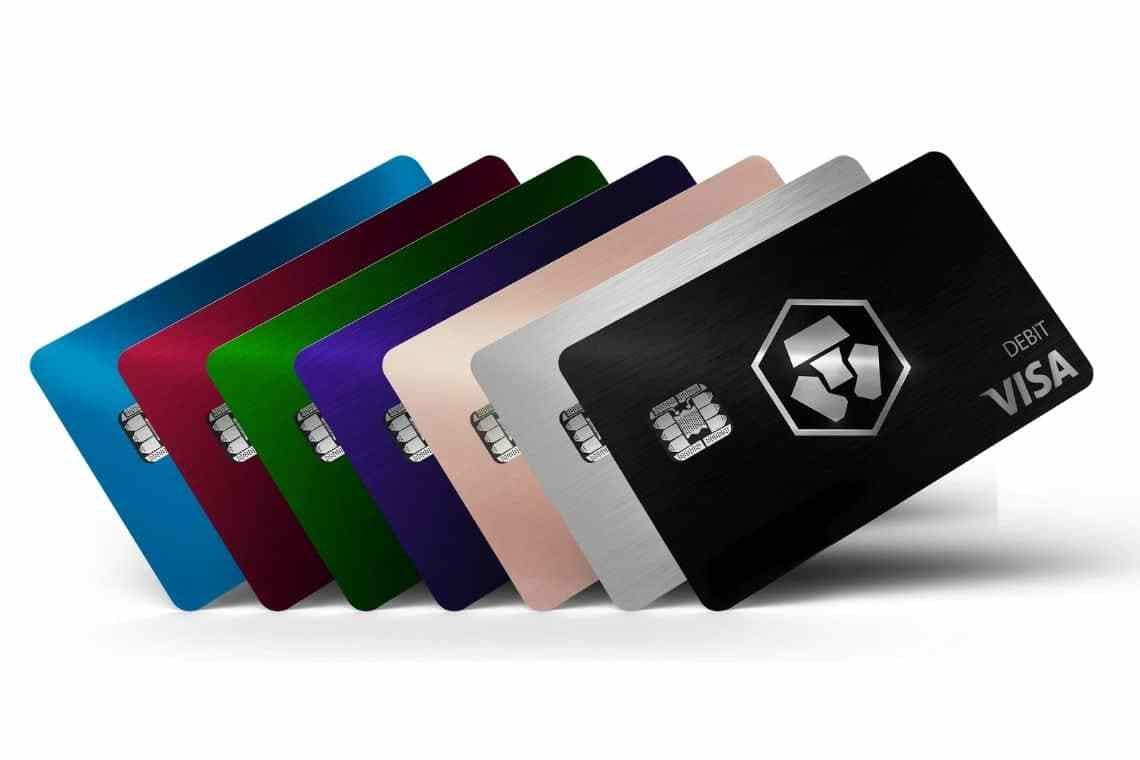
Top crypto debit cards of 2026
Choosing the right crypto debit card comes down to two numbers: how much cashback you keep and how much you lose to fees. In 2026, the market has shifted from offering high rewards on locked tokens to providing straightforward, low-friction spending tools. The best cards now balance native crypto rewards with minimal foreign transaction fees and no monthly maintenance costs.
We have ranked the leading options based on real-world spending data, fee structures, and reward efficiency. This list prioritizes cards that offer tangible value without requiring you to hold large amounts of volatile assets or pay subscription fees just to access basic features.
1. Coinbase Card
The Coinbase Card remains the most accessible entry point for everyday crypto spending. It operates as a straightforward debit card linked directly to your Coinbase exchange account. You earn rewards in the specific cryptocurrency you spend, meaning you don't need to guess which token will perform best. The card supports instant conversion of your crypto holdings to fiat currency at the point of sale.
Fees are minimal, with no monthly maintenance costs or foreign transaction fees for most users. The primary trade-off is that rewards are paid in the coin you spend, which can be volatile. However, for users already holding Bitcoin or Ethereum on the platform, this offers a simple way to spend assets without triggering taxable events until the final fiat withdrawal.
2. Crypto.com Visa Card
Crypto.com offers a tiered card system where benefits scale with the amount of CRO token you stake. While the entry-level card is free, higher tiers unlock significant cashback rewards, airport lounge access, and subscription reimbursements. This structure appeals to users who are already committed to the CRO ecosystem and are willing to lock up capital for enhanced perks.
The card is widely accepted globally due to its Visa network integration. However, the complexity of the tier system can be a barrier for casual users. If you are not actively trading or holding CRO, the rewards on lower tiers may not justify the effort compared to simpler, no-stake alternatives.
3. MetaMask Card
The MetaMask Card represents a shift toward decentralized spending. It connects directly to your self-custody wallet via Layer 2 networks like Linea or Base, allowing you to spend crypto without moving funds to a centralized exchange. This appeals to privacy-focused users who want to avoid the KYC (Know Your Customer) requirements of traditional exchanges.
Rewards are typically paid in the native token of the network you use, such as MATIC or ETH. The card is ideal for users who want to maintain full control of their assets while still having the convenience of a physical or virtual debit card. However, transaction speeds and costs can vary depending on the underlying network congestion.
4. Nexo Card
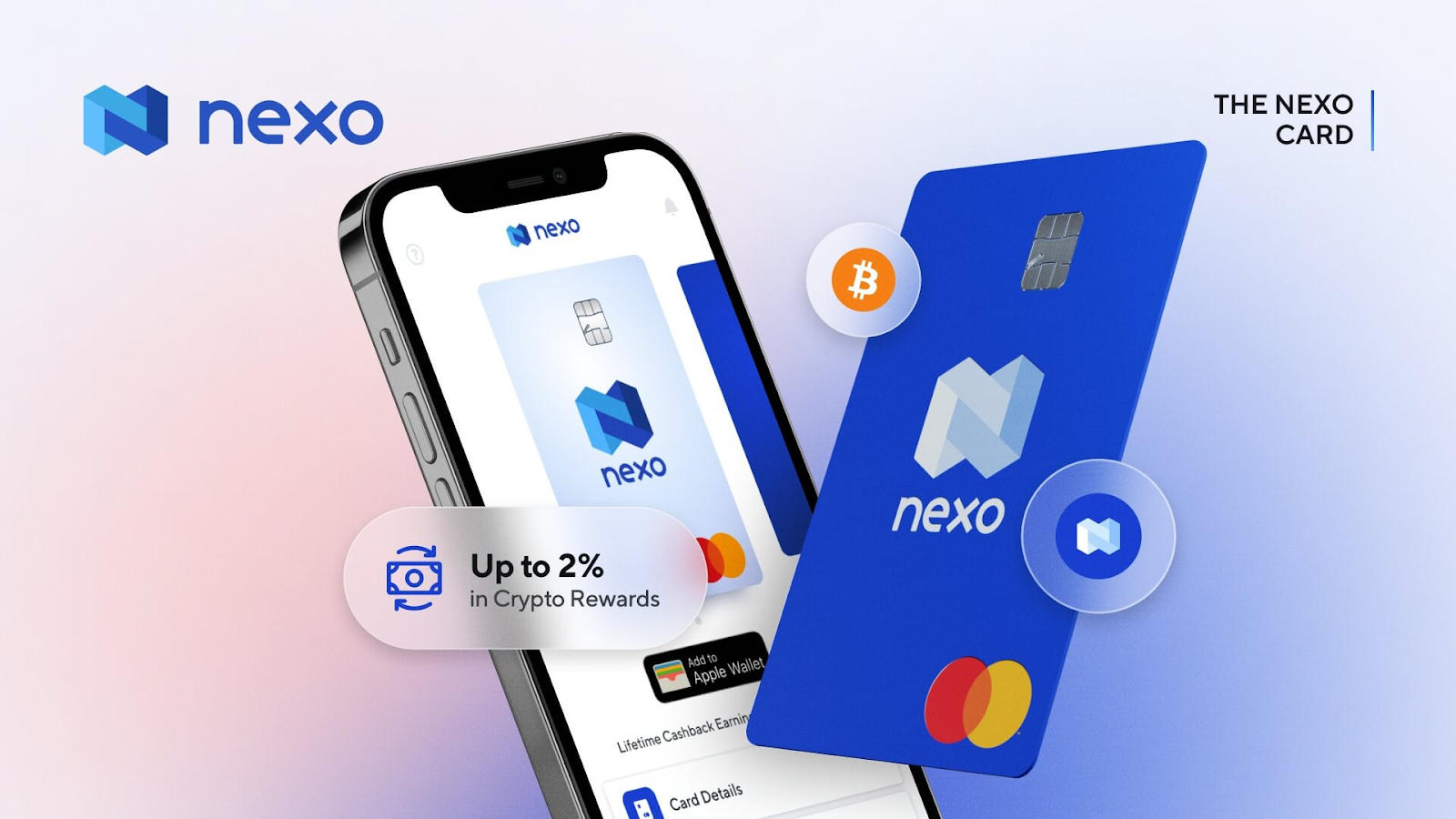
Nexo offers a line of credit backed by your crypto holdings, allowing you to spend without selling your assets. This is particularly useful for investors who want to maintain their long-term positions while covering daily expenses. The interest rates on the credit line are competitive, and you only pay interest on the amount you actually spend.
The card offers up to 1% cashback in NEXO tokens, which can be used to pay down interest or reinvest. This model is best suited for holders of stablecoins or blue-chip crypto who want to leverage their portfolio for liquidity without triggering capital gains taxes through direct sales.

As an Amazon Associate, we may earn from qualifying purchases.
When selecting a crypto debit card, prioritize cards that align with your spending habits and asset holdings. If you hold Bitcoin and want simplicity, the Coinbase Card is a strong choice. If you are deeply embedded in a specific ecosystem, like CRO or NEXO, the respective cards offer higher rewards. For those prioritizing privacy and self-custody, the MetaMask Card provides a decentralized alternative. Always compare the fee structures and reward rates, as these can significantly impact your net savings over time.
How crypto cards handle fees and rewards
The marketing for crypto debit cards often highlights headline cashback rates, but the real value lies in the mechanics of how those rewards are calculated and what it costs to use them. Most cards do not pay interest on your idle balance; instead, they offer rewards on spending or require you to lock up assets to unlock higher tiers.
The fee structure
Every transaction carries a cost, whether it’s a foreign exchange (FX) fee or a withdrawal charge. Many cards waive standard ATM fees but apply a 1-3% spread when converting crypto to fiat for purchases. For example, MetaMask Card allows spending directly from wallets like Linea or Base, but users must check the specific FX spreads applied at the point of sale. Always verify if the card charges monthly maintenance fees that could eat into small rewards.
Cashback and yield mechanics
Rewards typically fall into two categories: flat-rate cashback or tiered loyalty systems. Some cards, like those reviewed by Eco, rank products by "real cashback after fees," meaning a 1% reward is less valuable than a 5% reward if the latter comes with a $10 monthly fee. Other cards, such as Crypto.com, use a staking model where you must lock native tokens to access higher cashback percentages. This turns your card into a yield-bearing asset rather than just a spending tool.
Supported assets and custody
How your crypto is held impacts both security and reward eligibility. Custodial cards (like Coinbase Card) hold your assets on their platform, simplifying taxes but introducing counterparty risk. Non-custodial options (like MetaMask Card) let you spend directly from your wallet, offering greater control but requiring you to manage gas fees and network compatibility. Understanding this distinction helps you choose a card that aligns with your risk tolerance and spending habits.
Best cards for high yield and cashback
Choosing the right crypto debit card depends on whether you prioritize spending rewards or idle balance growth. These two goals often conflict: cards offering high yield on holdings typically have lower cashback rates, while cards designed for daily spending may offer negligible returns on your crypto balance. Understanding this trade-off helps you match a card to your actual usage patterns.
Maximize cashback on everyday spending
If your primary goal is to earn rewards on purchases, look for cards with flat-rate or category-specific cashback structures. The Coinbase Card is a strong option for users who already hold assets on the platform. It allows you to earn rewards on spending while automatically converting crypto to fiat for transactions, which simplifies tax reporting by reducing the number of taxable events triggered by daily purchases.
For those who prefer a more traditional rewards structure, the Gemini Credit Card offers straightforward benefits for everyday spending. It is particularly useful for users who want to earn crypto rewards without managing complex staking requirements. These cards function similarly to standard cashback credit cards but settle transactions in cryptocurrency or fiat based on your preference.
Earn yield on idle balances
Some crypto debit cards allow you to earn yield on the assets you hold in your account, even when you aren’t spending. This is ideal if you tend to keep a significant balance in your wallet. The MetaMask Card, for example, connects directly to your wallet via networks like Linea or Base, allowing you to spend while potentially earning rewards depending on the specific program terms at the time of issue.
However, high yield often comes with liquidity constraints. You may need to lock tokens or maintain a minimum balance to qualify for the best rates. If you need immediate access to your funds for emergencies or large purchases, a card with high cashback but low or no yield might be more practical. Always check the current terms, as yield programs can change frequently based on market conditions.
Self-custody and no-bank options
Most crypto debit cards require a traditional bank account to verify your identity or hold fiat reserves. This creates a barrier for unbanked users and those who prioritize self-custody. If you keep your keys in a non-custodial wallet, standard card issuers often reject your application because they cannot hold the underlying assets.
The solution lies in prepaid cards that link directly to your blockchain wallet. These cards bypass the banking system entirely. You top up the card with crypto, and the provider converts it to fiat only at the point of sale. This keeps your main holdings in your private wallet, reducing exposure to exchange hacks.
MetaMask Card is a leading example of this model. It connects directly to your MetaMask wallet via networks like Linea, Base, or Solana. You do not need to transfer funds to a centralized exchange or link a bank account. The card draws from your on-chain balance, allowing you to spend crypto anywhere Mastercard is accepted while maintaining full control of your assets.
For users in regions with limited banking access, prepaid crypto cards like Bitsa Card offer a viable alternative. Bitsa allows you to top up with Bitcoin and pay at physical stores. This is particularly useful for freelancers, digital nomads, and unbanked individuals who need a way to spend crypto without a traditional financial institution.
These solutions represent a shift toward financial sovereignty. By removing the bank from the transaction loop, they align with the core ethos of cryptocurrency: direct, peer-to-peer value transfer. While fees may be slightly higher than traditional debit cards, the trade-off is often worth it for the security and autonomy provided.
Frequently asked questions about crypto cards
What is the new crypto debit card?
The MetaMask Card is a recent addition to the market that lets you spend crypto in real life anywhere Mastercard is accepted. It connects directly to your MetaMask wallet via networks like Linea, Base, Monad, or Solana, making it a straightforward option for users already holding assets in that ecosystem. You can find more details on their official site here.
How do crypto debit cards work?
Unlike credit cards, crypto debit cards are linked to a digital wallet containing your cryptocurrency. When you make a purchase, the card provider instantly converts your crypto into fiat currency (like USD or EUR) at the point of sale. This means you spend your digital assets rather than borrowing money, and the transaction appears on your bank statement as a standard debit purchase.
Are there tax implications for using a crypto card?
Yes. In many jurisdictions, including the US, spending crypto is considered a taxable event. Each time you use your card, the system sells a portion of your crypto to cover the purchase. This sale may trigger capital gains or losses depending on the value of the crypto at the time of the transaction compared to when you bought it. Always keep records of these transactions for tax reporting.
Can I get cashback with crypto debit cards?
Many providers offer cashback rewards, but they vary significantly. Some cards pay rewards in stablecoins or the native token of the underlying blockchain, while others offer fiat cashback. Look for cards that explicitly list their reward structure, as some may offer higher percentages for specific spending categories like dining or travel.
No comments yet. Be the first to share your thoughts!