
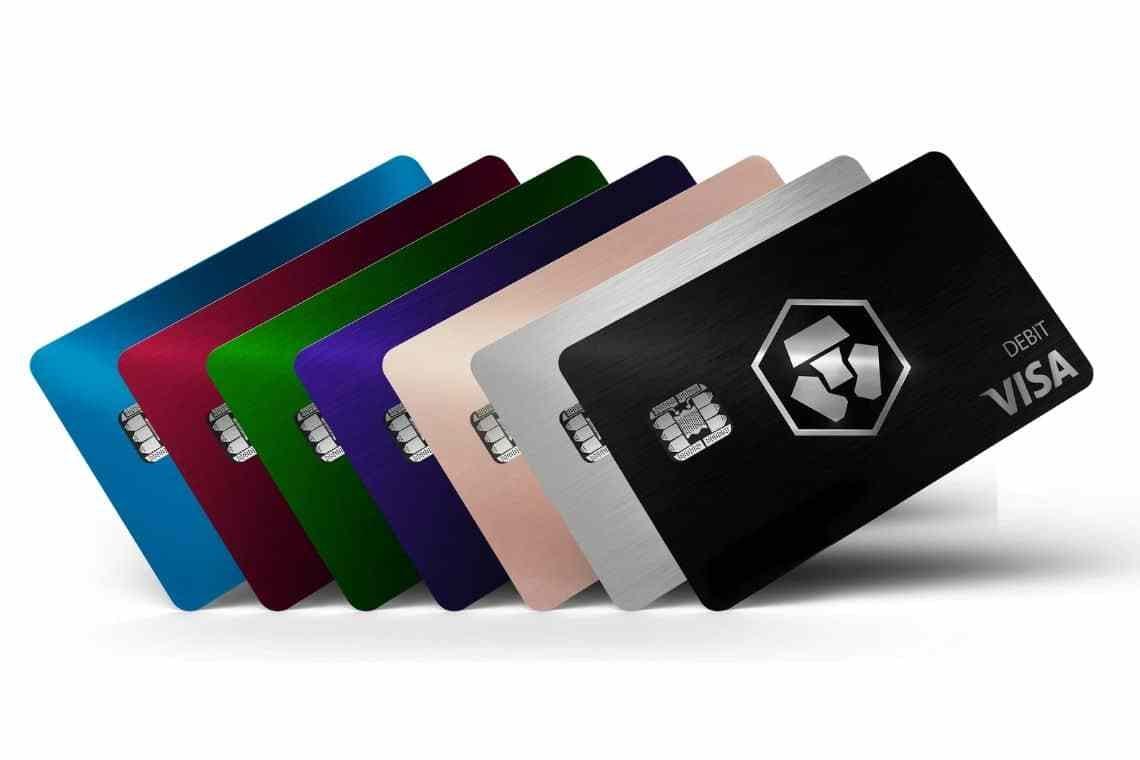
How we picked the best crypto cards
Choosing a crypto debit card is a financial decision that requires precision. Unlike traditional banking products, these cards bridge two volatile ecosystems: the regulated fiat world and the decentralized crypto market. A small error in fee structure or security protocol can erase your rewards or expose your assets. We prioritized official issuer documentation and primary source verification over affiliate claims to ensure accurate fee and reward data.
Our evaluation focused on four concrete criteria:
Fee Structures We analyzed annual fees, ATM withdrawal charges, and FX conversion rates. Many cards advertise "zero fees" but hide costs in currency conversion spreads. We verified these against the issuer's public terms of service.
Reward Rates We compared cashback percentages against actual spend data. High-tier rewards often require locking up assets or paying monthly subscriptions. We calculated the net benefit after these costs.
Security Protocols We reviewed 2FA requirements, transaction limits, and fraud protection policies. Cards with instant card freezing and biometric verification scored higher.
Supported Assets We checked which cryptocurrencies are spendable directly. Cards supporting Bitcoin, Ethereum, and stablecoins offer more flexibility than those limited to a single token.
Best overall crypto debit card: Coinbase Card
The Coinbase Card stands out as the best overall crypto debit card for most users because it removes the friction between holding digital assets and everyday spending. As the official debit card from one of the world's largest cryptocurrency exchanges, it offers a straightforward way to spend crypto directly from your account without the complex staking requirements or tiered membership levels found on competitor cards.
The primary appeal lies in its simplicity and broad usability. You can use the physical card or add it to Apple Pay and Google Pay at any merchant that accepts Visa, meaning you aren't limited to a specific network of crypto-friendly stores. While spending, you can choose which supported cryptocurrencies to convert in real-time, providing flexibility that rigid prepaid cards often lack. This direct integration means your crypto assets remain liquid and accessible, rather than being locked away in a separate wallet or locked-up token structure.
Rewards are distributed in the form of crypto cashback, which adds a layer of utility for those who want to accumulate assets while spending. Unlike traditional cash-back programs that offer fixed percentage returns, the Coinbase Card allows you to select your preferred reward currency, letting you stack assets you believe in. This feature transforms routine purchases into opportunities for dollar-cost averaging into your portfolio, provided you are comfortable with the volatility of the chosen asset.
The card is designed for ease of use, with no annual fees and a straightforward application process that mirrors standard banking onboarding. Customer support is backed by Coinbase's established infrastructure, offering a safety net that newer fintech startups may not yet provide. For users who prioritize a reliable, widely accepted card with minimal barriers to entry, the Coinbase Card offers the most balanced experience.

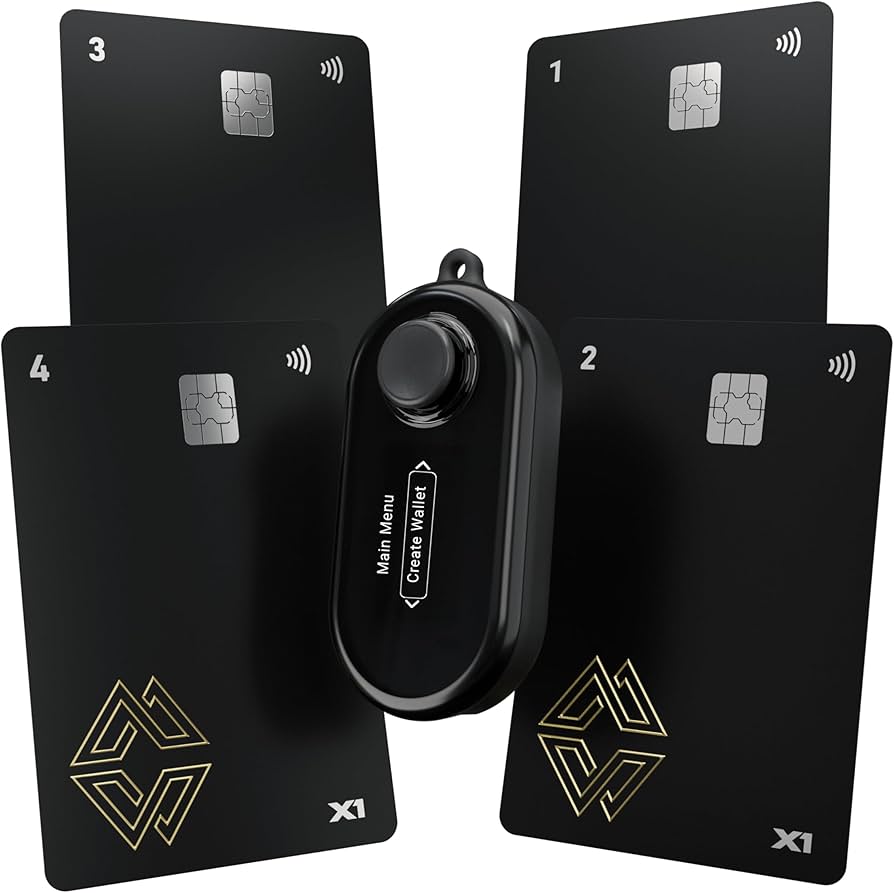
As an Amazon Associate, we may earn from qualifying purchases.
Bleap: the self-custodial card with 0% fees
Bleap offers a self-custodial Mastercard that charges 0% transaction fees on purchases. This distinguishes it from most crypto debit cards, which typically deduct 1% to 3% from every swipe. For users who spend crypto regularly, avoiding these fees keeps more of their principal intact.
The card works by pulling funds directly from your personal wallet rather than a centralized exchange balance. This self-custodial approach means you retain full control of your assets while spending them. There is no need to pre-fund a card wallet or wait for settlements.
Bleap also provides cashback rewards on eligible purchases, stacking value on top of the fee savings. According to Bleap Finance, the card is designed for users who want to spend crypto without the traditional erosion of value caused by merchant fees.
Best high APY rewards crypto card
Eco (formerly Ethos) leads the charge for users who want their idle crypto to work harder while they spend. The card offers a tiered cashback program that pays rewards in ETH, effectively turning everyday purchases into yield-generating assets rather than simple fiat rebates. This approach appeals to those who believe in the long-term appreciation of Ethereum over holding stablecoins or traditional bank rewards.
The rewards structure is straightforward: spend more, earn higher percentages back in ETH. Unlike cards that lock your funds in staking periods to unlock rates, Eco’s cashback applies immediately to eligible transactions. This liquidity is a significant advantage for users who need access to their capital without penalty. However, the value of the reward fluctuates with ETH’s market price, meaning your "APY" is tied directly to the performance of the underlying asset.
To maximize returns, users should monitor the ETH price alongside their spending habits. When ETH is trending upward, the real yield on your purchases compounds beyond the stated cashback percentage. For those comfortable with volatility, this card transforms routine expenses into a position in one of the most established cryptocurrencies. The card is issued by Cross River Bank, ensuring FDIC insurance on the fiat balance held within the account for daily spending needs.
Crypto card comparison table
This table breaks down the most popular crypto debit cards by fees, rewards, and supported assets. Use it to quickly spot which card aligns with your spending habits and crypto holdings.
| Card | Fees | Rewards | Supported Assets |
|---|---|---|---|
| Coinbase Card | $0 monthly | Up to 4% BTC | BTC, ETH, SOL, USDC |
| Crypto.com Visa | $0–$150/mo | Up to 5% USDC | 40+ cryptocurrencies |
| Nexo Card | $0 monthly | Up to 5% USDC | 35+ cryptocurrencies |
| Kast Card | $0 monthly | Up to 1% cashback | BTC, ETH, LTC |
Fees vary by tier and region. Always check the issuer’s official documentation for the most current terms, as rewards structures and supported assets can change with market conditions.
No comments yet. Be the first to share your thoughts!