
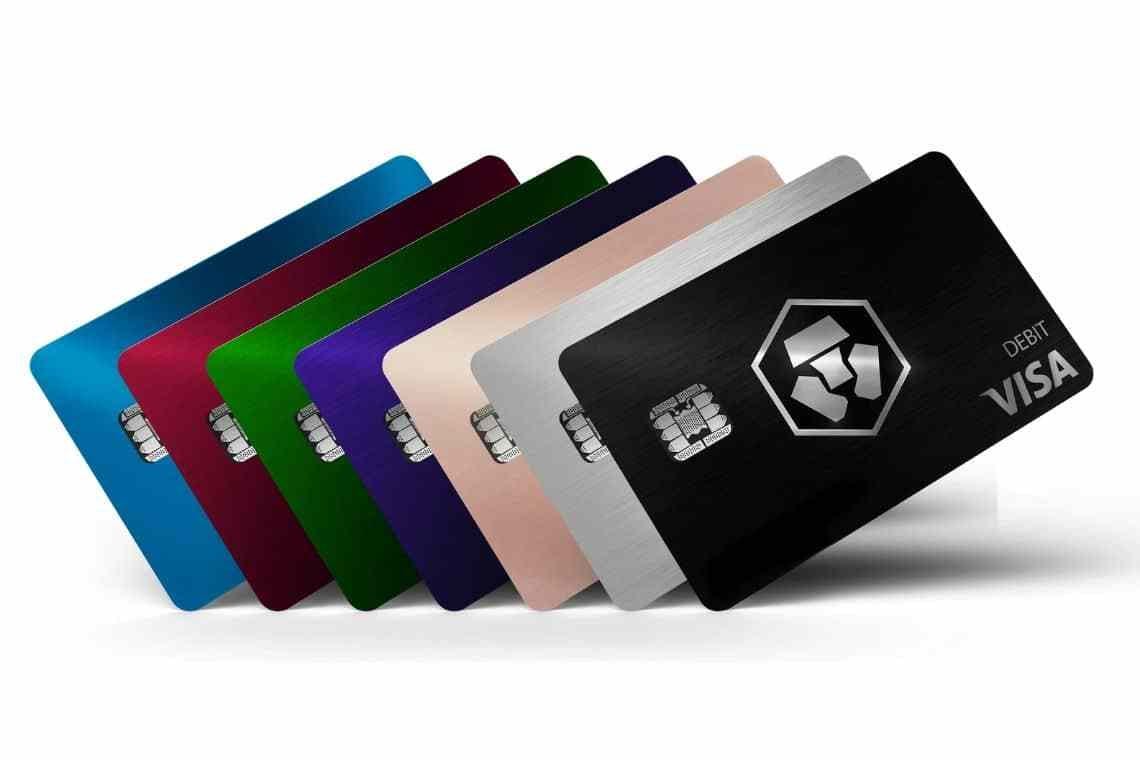
How crypto debit cards work
A crypto debit card functions as a bridge between your digital assets and traditional commerce. When you make a purchase, the card provider automatically converts (liquidates) a portion of your cryptocurrency holdings into fiat currency—such as USD, EUR, or GBP—to settle the transaction. This mechanism allows you to spend Bitcoin, Ethereum, or other tokens at any merchant that accepts Visa or Mastercard, effectively turning volatile digital assets into spendable cash.
This process differs fundamentally from a traditional credit card. A credit card is a line of credit; you borrow money from the issuer and pay it back later, often incurring interest if you carry a balance. A crypto debit card, by contrast, spends your existing assets. You are not borrowing against future income; you are spending what you already own. This distinction is critical for managing debt risk and understanding your financial exposure.
The timing of this conversion also impacts your tax liability. In many jurisdictions, spending crypto is a taxable event because it involves disposing of an asset. However, because the liquidation happens instantly at the point of sale, the transaction is recorded as a purchase rather than a speculative trade. This simplifies reporting: you generally only need to track the cost basis and fair market value at the exact moment of the transaction, rather than managing complex trading logs for every small purchase.
Understanding this auto-liquidation mechanism helps you choose the right card for your spending habits. Cards with low conversion fees or cashback rewards in crypto can provide tangible benefits, while those with high spreads may erode the value of your holdings over time. Always review the fee structure to ensure the convenience of spending crypto doesn't come at the cost of significant hidden charges.
Top picks for everyday spending
Choosing a crypto debit card for daily use comes down to balancing fee structures, supported assets, and ease of use. The leading options in 2026 offer different advantages depending on whether you prioritize cashback, low fees, or broad asset support. Below are the top contenders for general spending.
Crypto.com Card
The Crypto.com Card remains one of the most widely recognized options for everyday crypto spending. It allows users to spend crypto directly from their wallet balance, converting it to fiat at the point of sale. The card offers tiered benefits based on the amount of CRO staked, with higher tiers providing increased cashback and lounge access.
Fees are generally low for standard transactions, but users should be aware of potential foreign transaction fees and ATM withdrawal costs depending on their tier. The app interface is robust, providing real-time tracking of crypto spending and rewards. For those holding a diverse portfolio, the card supports multiple cryptocurrencies, making it a versatile choice for daily purchases.
Coinbase Card
Coinbase Card is another strong contender, particularly for users already invested in the Coinbase ecosystem. It offers up to 4% cashback in crypto on select purchases, with a base rate of 1% on all others. The card is backed by Coinbase, one of the largest and most regulated crypto exchanges, providing a layer of trust for newcomers.
The card supports a wide range of cryptocurrencies, allowing users to choose which asset to spend from their Coinbase wallet. Monthly fees are minimal, and there are no annual fees. However, the cashback rates can fluctuate based on promotional periods and user status, so it is worth checking the current terms before signing up.
Kraken Card
Kraken Card offers a straightforward approach to crypto spending with no monthly fees and no annual fees. It supports spending from a variety of supported cryptocurrencies, including Bitcoin, Ethereum, and stablecoins. The card is known for its competitive exchange rates and transparent fee structure, making it a reliable option for budget-conscious users.
Cashback is offered in the form of Kraken tokens, which can be used to offset trading fees or held as an investment. The card is available in select regions, so users should verify availability in their area. The Kraken app provides detailed transaction history and spending analytics, helping users keep track of their crypto expenditures.
| Card | Monthly Fees | Cashback | Supported Assets |
|---|---|---|---|
| Crypto.com Card | Tier-dependent | Up to 5% | Multiple |
| Coinbase Card | None | Up to 4% | Wide range |
| Kraken Card | None | Up to 3% | Major cryptos |
Cards with the best cashback rates
Cashback transforms everyday spending into a compounding crypto position. Instead of accepting fiat rewards that sit idle in a checking account, you earn back a percentage of your purchases in digital assets. This approach effectively lowers the net cost of goods while maintaining exposure to the underlying token.
The Coinbase Card leads this category by offering a flat 1% back in Bitcoin on every purchase. Because Bitcoin is the market benchmark, this simple structure appeals to investors who want to accumulate the most liquid asset without managing complex reward tiers. The reward is automatically deducted from the transaction amount, so you see the benefit at the point of sale.
For those seeking higher yields, the Crypto.com Visa Card offers up to 5% back in CRO, depending on how much of the token you stake in their ecosystem. This tiered model rewards loyalty and capital commitment, but it requires users to lock up assets to access the top rates. The Coinbase Card remains the more accessible option for casual users who want immediate, unencumbered Bitcoin rewards.
Low fee options for frequent users
For people who spend crypto regularly, monthly maintenance fees and ATM withdrawal charges eat into value quickly. The best low-fee crypto debit cards remove these friction points, allowing you to pay for everyday goods without the hidden costs that often accompany digital asset spending.
We recommend the Karta.io Visa Business Card for digital professionals and travelers who need a reliable, low-friction payment method. It is frequently cited as a strong option for those who spend crypto often, offering a streamlined way to manage expenses without complex fee structures or unnecessary monthly charges.
When choosing a card, look for providers that waive monthly fees for standard accounts and offer competitive FX rates for international transactions. This approach ensures that your crypto spending remains cost-efficient, whether you are buying coffee or booking a flight.

As an Amazon Associate, we may earn from qualifying purchases.
Tax reporting and compliance
Spending crypto with a debit card is not free of tax obligations. In the United States, the IRS treats cryptocurrency as property. This means every time you sell crypto to fund a card purchase, you are triggering a taxable event. The transaction is treated as a disposal of assets, and you must report the difference between your original cost basis and the fiat value at the time of spending.
For example, if you bought Bitcoin at $20,000 and spent it on a card when the price hit $60,000, that $40,000 difference is a capital gain. Even if you only spend $50 for groceries, the system calculates the gain on the specific coins used to fund that transaction. Without proper tracking, you risk underreporting income or failing to document losses from coins bought at higher prices.
To manage this complexity, some providers offer built-in transaction tracking tools. The Coinbase Card, for instance, provides detailed transaction history that aligns with your exchange activity, making it easier to export data for tax software. Using a dedicated crypto tax platform like Koinly or CoinTracker can automate the import of these transactions, categorizing them as sales or expenses based on your settings.
If your card provider does not offer robust reporting tools, you must maintain your own records. Keep a log of every top-up, noting the date, the amount of crypto sent, and the fiat value at that moment. This manual approach requires discipline but ensures you have the necessary documentation in case of an audit. Ignoring these records can lead to significant penalties, as the IRS has increasingly focused on crypto compliance in recent years.
Frequently asked: what to check next
Are crypto debit cards safe to use?
Yes, crypto debit cards are generally safe because they rely on established banking networks like Visa or Mastercard. These networks offer fraud protection and chargeback rights similar to traditional debit cards. Most providers also include features like instant card freezing and biometric authentication to secure your assets.
How are crypto debit card transactions taxed?
Every time you spend crypto using a debit card, the exchange sells your digital assets to cover the purchase. In the United States and many other jurisdictions, this sale is a taxable event. You must report the capital gains or losses based on the difference between the asset's value when you bought it versus its value at the moment of spending.
Which crypto debit card offers the best rewards?
The Coinbase Card is a leading option for users who want to earn rewards directly on their spending. It allows you to earn cryptocurrency cashback on everyday purchases. Other providers like Crypto.com or Bybit offer tiered reward structures, where higher VIP levels unlock better cashback rates and additional perks like streaming subscriptions or airport lounge access.
No comments yet. Be the first to share your thoughts!