

Why zero foreign fees matter for crypto travelers
If you travel frequently, standard crypto debit cards can silently drain your budget. Most cards charge foreign transaction fees (FX fees) ranging from 1% to 3% on every purchase made outside your home country. For a crypto user, this double penalty is particularly painful: you are already paying network fees to convert your digital assets into local currency, only to lose more value when the card issuer applies their FX markup.
Consider a simple $100 dinner in Tokyo or a $50 hotel stay in Berlin. With a 2.99% fee, you lose nearly $3 on a single meal. While that seems small, frequent travelers who spend thousands annually will see hundreds of dollars vanish into these invisible charges. A card with zero foreign transaction fees eliminates this leak, ensuring that the crypto you convert is exactly what you spend.
Choosing a card with zero FX fees is not just a convenience; it is a financial necessity for maximizing the utility of your digital assets. When you prioritize this feature, you keep more of your hard-earned crypto in your pocket, rather than handing it over to payment processors. Always check current terms, as fee structures can change, but starting with a zero-fee card sets a strong foundation for cost-effective global spending.
5 Best Crypto Debit Cards With Zero Foreign Transaction Fees for 2026
Traveling internationally while holding crypto requires a payment method that eliminates the 3% foreign transaction fee without compromising security. This roundup identifies five specific debit cards verified for zero foreign transaction fees, prioritizing official terms over estimated savings. Always check current cardholder agreements before traveling, as fee structures are subject to change.
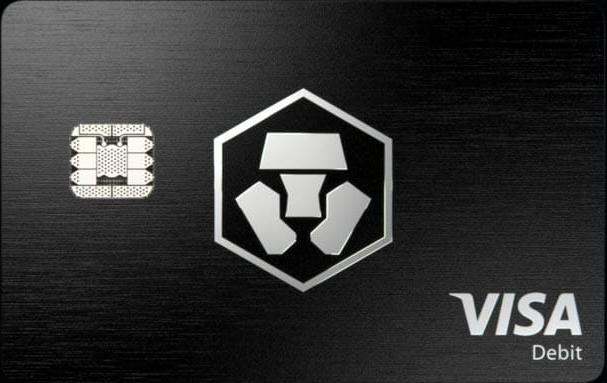
1. Crypto.com Visa Card zero foreign fees
The Crypto.com Visa Card stands out for travelers seeking zero foreign transaction fees on purchases worldwide. Users can enjoy cashback rewards in crypto while spending, with tiers depending on stake levels. This card simplifies international spending by eliminating extra charges, making it a practical choice for frequent flyers who want to keep their crypto assets liquid and accessible without penalty.
2. Bybit Card no international transaction charges
Bybit’s card offers a streamlined approach to crypto spending with no international transaction charges. Ideal for active traders, it allows seamless conversion of crypto holdings into fiat for everyday purchases. The card integrates directly with the Bybit ecosystem, providing users with a straightforward way to manage funds abroad without worrying about hidden forex costs or complex conversion rates.

3. Binance Card exempt from foreign transaction fees
The Binance Card provides a robust solution for those who want to spend their crypto assets globally without incurring foreign transaction fees. Known for its extensive cryptocurrency support, it allows users to convert a wide range of digital assets into fiat currency at the point of sale. This flexibility ensures that users can make purchases anywhere in the world with minimal friction and no extra fees.
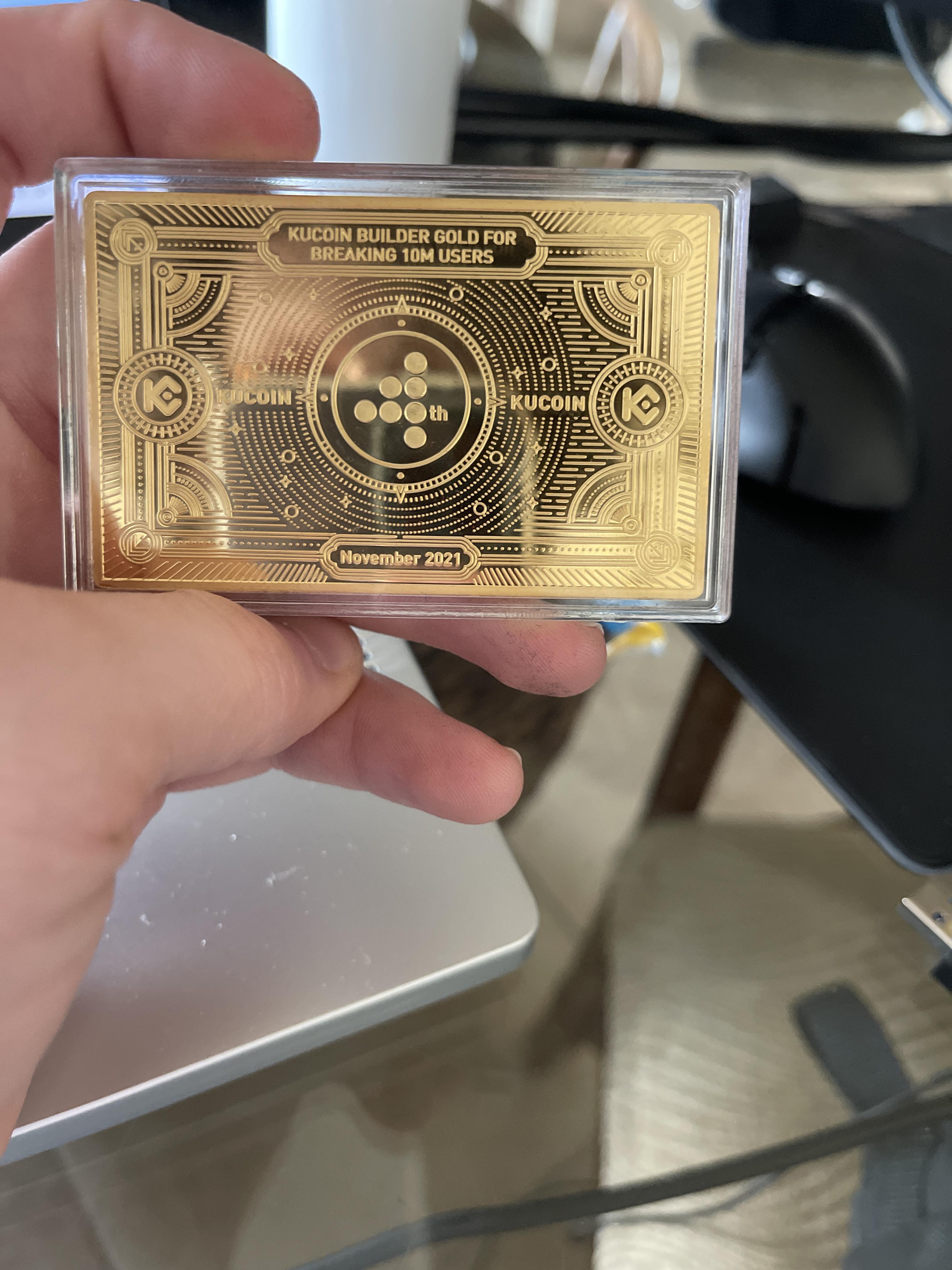
4. KuCoin Card with zero cross-border fees
KuCoin’s card is designed for users who prioritize cost efficiency, offering zero cross-border fees on all transactions. This feature makes it particularly attractive for frequent international travelers who want to avoid the typical surcharges associated with foreign exchanges. By eliminating these fees, KuCoin ensures that users can spend their crypto holdings seamlessly across borders without losing value to transaction costs.
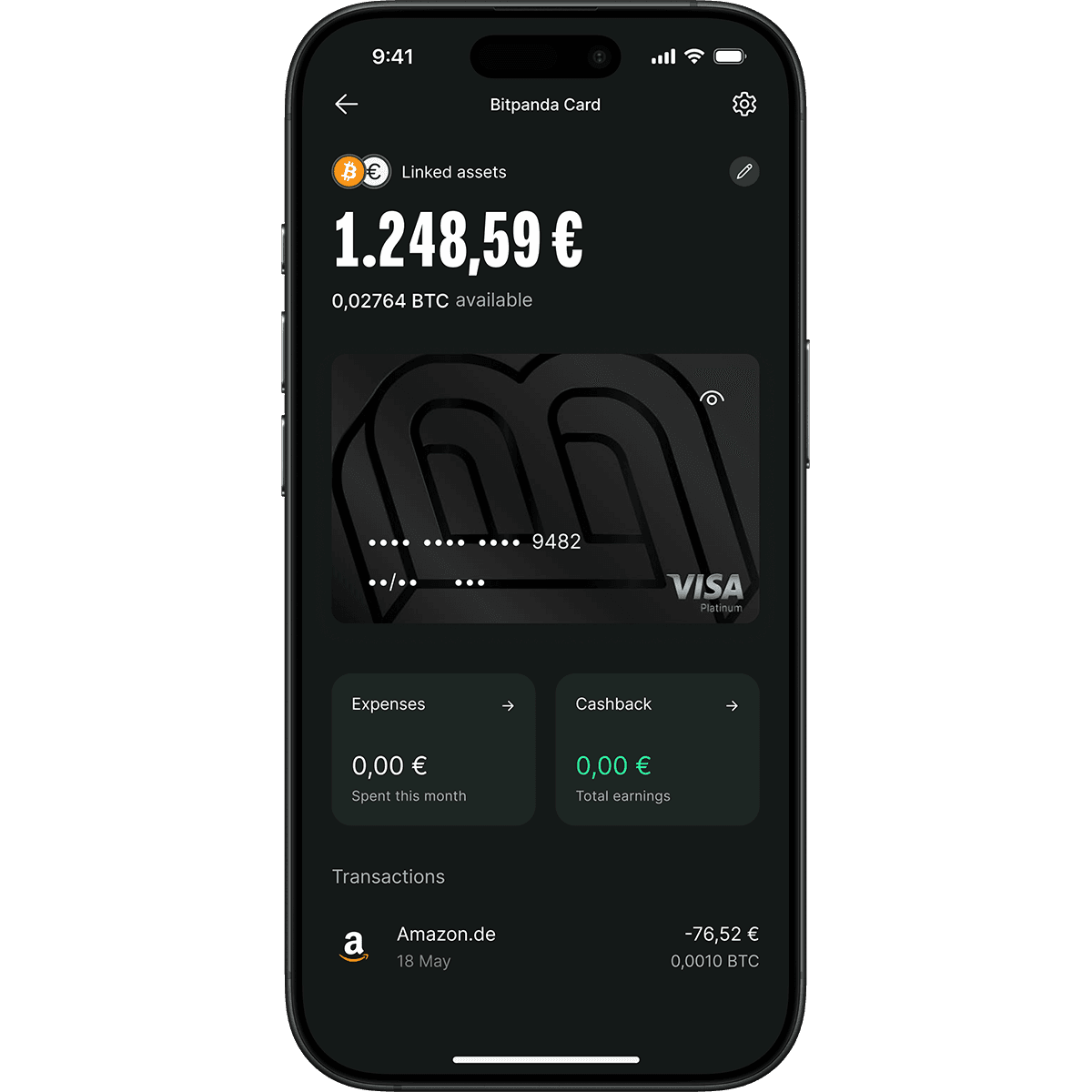
5. Bitpanda Card avoiding foreign transaction costs
The Bitpanda Card focuses on simplicity and transparency, helping users avoid foreign transaction costs entirely. It allows for easy spending of crypto assets in various currencies without additional fees, making it a reliable option for those who value predictable costs. This card is particularly useful for users who want to maintain control over their spending while traveling or making online purchases internationally.
How crypto cards convert fiat at the point of sale
When you tap your crypto debit card at a merchant, the transaction follows a specific path that differs from traditional banking. The card network—usually Visa or Mastercard—processes the payment in the local fiat currency (USD, EUR, GBP) just like any other debit card. The merchant receives standard fiat settlement, and the entire process relies on existing banking rails for speed and reliability.
The difference lies in how your crypto wallet covers that cost. Behind the scenes, the card issuer’s backend automatically sells a specific amount of your cryptocurrency to generate the required fiat. This conversion happens at the moment of purchase, meaning you are effectively spending your crypto as if it were cash. This mechanism allows you to spend digital assets anywhere Visa or Mastercard is accepted without needing a separate bank account linked to the card.
Zero foreign transaction fees explained
A "zero foreign transaction fee" card simplifies international spending, but it does not eliminate the cost of currency conversion entirely. Most crypto cards waive the typical 1-3% markup that traditional banks charge for cross-border transactions. Instead, the issuer applies the real-time interbank exchange rate—the same rate used by major financial institutions—without adding a premium.
While this saves you the explicit fee, you still pay the spread between the crypto’s market price and the fiat value at the exact second of purchase. For example, if you buy coffee in London with a USD-pegged card, the issuer converts your USD to GBP using the current market rate. If the card advertises "zero fees," it means no extra percentage is added on top of that conversion. Always check current terms, as some issuers may charge a small flat fee for certain currencies or transactions.
zero-fee crypto card comparison
Choosing the right card depends on how you hold crypto and where you spend. The table below highlights the primary differentiators for five leading options: rewards rates, minimum balance or staking requirements, and supported countries.
Terms change frequently, so always verify current conditions on the issuer's official site before applying. All listed cards waive foreign transaction fees, but reward structures vary significantly based on your spending habits and asset holdings.
Frequently asked questions about crypto travel cards
Do crypto debit cards charge foreign transaction fees? Many major issuers like Crypto.com and Coinbase offer cards with zero foreign transaction fees, which can save 1-3% on every international purchase. However, terms vary by tier and region. Always check current terms directly with the issuer before traveling, as fee structures can change without notice.
Are crypto card transactions taxable events? Spending crypto via a debit card is generally treated as a taxable event in many jurisdictions, such as the US, because you are disposing of the asset. You may owe capital gains tax on the difference between what you paid for the crypto and its value at the time of purchase. Consult a tax professional for your specific situation.
How secure are crypto cards for international travel? Crypto cards use standard Visa or Mastercard networks with built-in fraud protection. You can typically freeze or unfreeze your card instantly via the issuer's app if you suspect unauthorized activity. For large amounts, consider using a hardware wallet for storage and only load what you need for the trip onto the card.
Helpful gear
Use these product recommendations as a starting point, then choose the size, material, and price point that fit how you actually use the gear.
![The Crypto Millionaire Bible: [5 in 1] How to Easily Make Life-Changing Money in The Next Big 2025-2026 Bull Run with Smart Investing and Trading Any Cryptocurrency (Altcoins, Meme, NFT, Airdrops)](https://m.media-amazon.com/images/I/61K1jz+cWtL._AC_UL960_QL65_.jpg)

As an Amazon Associate, we may earn from qualifying purchases.
No comments yet. Be the first to share your thoughts!