
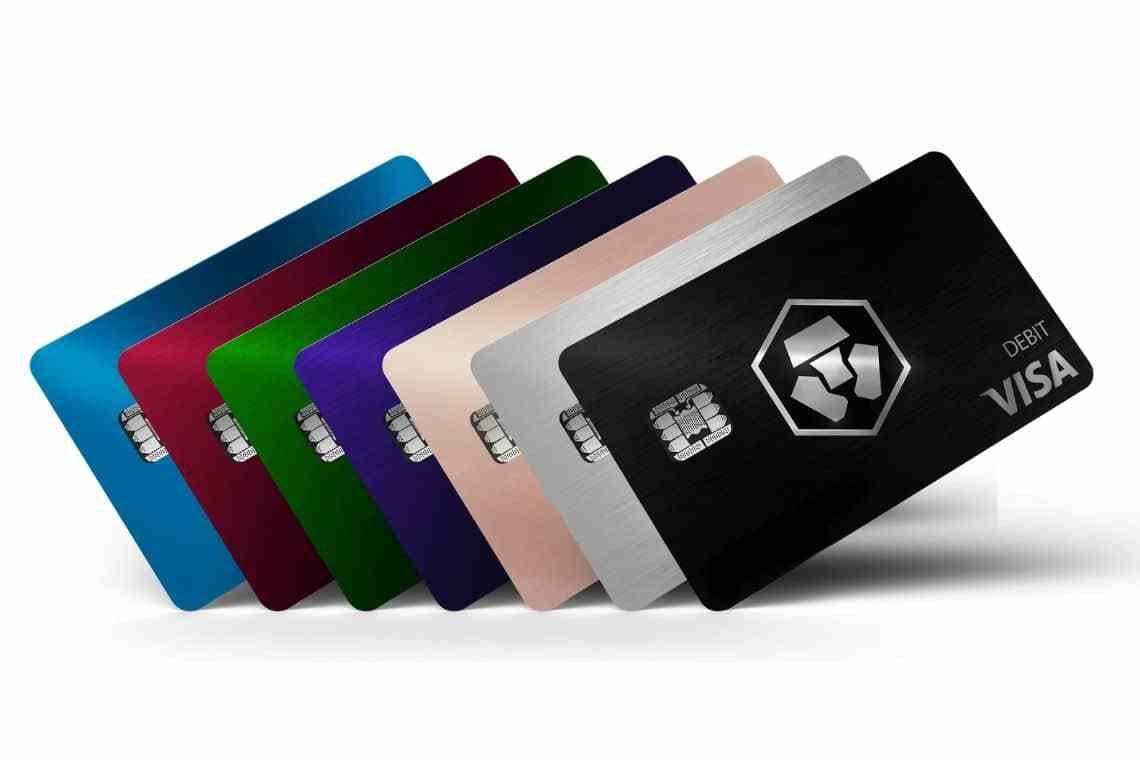
Top crypto debit cards for 2026
Finding the right crypto debit card in 2026 means looking past marketing hype to actual spending power. The best options now offer near-zero fees on everyday purchases and competitive cashback rates on crypto conversions. Whether you are looking for a card that doubles as a savings account or one that rewards heavy spenders, the market has settled on a few clear leaders.
Coinbase Card
Coinbase remains the top choice for most users because it bridges the gap between traditional banking and crypto seamlessly. The Coinbase card allows you to spend your crypto holdings directly at any merchant that accepts Visa. One of its strongest features is the ability to convert crypto to USD in real-time at the point of sale, eliminating the need to manually sell assets beforehand. This card is particularly strong for users who want to earn rewards on spending without navigating complex tiered systems.
Crypto.com Visa Card
For those who want to maximize cashback, the Crypto.com Visa Card offers one of the most aggressive reward structures in the industry. By staking CRO tokens, users can unlock tiers ranging from basic cashback to up to 5% on everyday spending. The card is widely accepted globally and offers additional perks like free Spotify or Netflix subscriptions depending on the tier. While the staking requirement can be a barrier for some, the long-term value for active users is difficult to beat.
Bybit Card
Bybit has emerged as a strong contender for traders and active crypto enthusiasts. The Bybit Card integrates directly with the exchange, allowing for instant conversion of spot holdings into fiat for spending. It stands out for its low fees on crypto-to-fiat conversions and its integration with Bybit’s broader ecosystem of trading tools. If you are already using Bybit for trading, this card provides a convenient way to utilize idle assets without leaving the platform.

As an Amazon Associate, we may earn from qualifying purchases.
Compare Fees, Rewards, and Limits
Choosing the right crypto debit card comes down to three numbers: what you pay to use it, what you earn back on spending, and how much you can move at once. The best crypto debit cards balance these factors so you aren’t penalized for everyday purchases or blocked by low daily caps.
The table below compares the critical metrics for the top picks. These figures are based on current public terms from Coinbase, Wirex, and Bybit.
| Card | Monthly Fee | Cashback Rate | Daily Limit |
|---|---|---|---|
| Coinbase Card | $0 | 0-4% (crypto) | $10,000 |
| Wirex | $0 (standard) | 0-2% | $5,000 |
| Bybit Card | $0 | Up to 8% | $10,000 |
Coinbase remains the most straightforward option for beginners, with no monthly fees and rewards paid directly in crypto. Wirex offers a solid middle ground with a standard free tier and support for over 150 assets. Bybit stands out for high-yield rewards, though the cashback rates often require holding specific tokens or meeting monthly spending thresholds.
When comparing limits, remember that daily spending caps are set by the issuer, not the underlying blockchain. If you plan to use your crypto debit card for large purchases, verify the daily and monthly withdrawal limits before signing up. Most cards allow you to increase limits by completing additional identity verification steps.
How crypto cards convert assets
When you tap your crypto debit card at a store, the transaction happens in milliseconds, but the backend logic is complex. The card network (Visa or Mastercard) processes the payment in your local fiat currency, just like a standard debit card. However, instead of pulling funds from a bank account, the issuer’s backend automatically sells a portion of your crypto holdings to cover the cost.
This process, often called "instant spending," relies on a centralized conversion engine. Most major providers, such as those highlighted by the Bitcoin Foundation, maintain liquidity pools to ensure the exchange rate is locked in at the moment of the swipe. This prevents the "slippage" that occurs when you manually sell crypto on an exchange, where price volatility could change the value between your decision and the execution.
The conversion typically occurs from a stablecoin or a major asset like Bitcoin or Ethereum. If your card supports multiple assets, the issuer usually deducts from the balance you have designated as "spendable." This seamless bridge between digital assets and physical commerce is what differentiates crypto debit cards from holding crypto in a cold wallet, where spending requires a manual sell-and-withdraw cycle.
Choosing the right card for your needs
Picking a crypto debit card isn't about finding the "best" one in a vacuum. It's about matching the card's fee structure and reward system to how you actually spend. A card that offers high cashback on crypto purchases might charge steep ATM fees, while a zero-fee card might offer no rewards at all. To make the right choice, you need to look at your specific spending habits.
Low fees for everyday spending
If your priority is avoiding hidden costs, the Coinbase card is a strong contender. As noted by Investopedia, Coinbase offers the best low-fee card for those who want to spend crypto without paying excessive transaction charges. This card is ideal for users who hold crypto but want to spend it like fiat currency without worrying about conversion fees eating into their balance. It’s a straightforward tool for daily purchases, stripping away the complexity of crypto transactions.
High rewards for crypto holders
For users who want to earn more from their crypto, the Wirex card or Bybit card often provide better cashback structures. CNBC highlights Wirex as a top choice for debit card users seeking rewards. These cards typically offer higher cashback rates on crypto purchases or specific merchant categories. If you hold significant crypto and want to maximize its utility, a card with a robust rewards program can offset the volatility of your holdings by giving you something back for every dollar spent.
The trade-off
Ultimately, the best crypto debit card for your needs depends on whether you value low costs or high rewards. If you spend crypto frequently, a low-fee card like Coinbase’s might save you more money in the long run. If you hold crypto for the long term and only spend occasionally, a high-reward card might be worth the slightly higher fees. Consider your average monthly spend and how often you use your crypto card to make the final decision.
Crypto card questions answered
Using a crypto debit card bridges the gap between digital assets and everyday spending, but it introduces specific questions about fees, security, and taxes. Below are answers to the most common concerns readers have when choosing a card for daily use.
How are crypto debit card transactions taxed?
In the United States, spending cryptocurrency is treated as a taxable event. When you use a crypto debit card, the system typically sells the crypto at the point of sale to pay the merchant. This sale triggers a capital gains or loss calculation based on the difference between the coin’s value when you acquired it and its value when spent. You must track these transactions for tax purposes, even if the amounts are small.
Are crypto debit cards safe to use daily?
Most major crypto debit cards operate on traditional payment networks like Visa or Mastercard, offering standard fraud protection and zero-liability policies for unauthorized transactions. However, unlike traditional bank accounts, crypto balances held in associated wallets may not be FDIC insured. To maximize safety, use cards that allow you to lock specific card numbers or set daily spending limits, reducing exposure if the card details are compromised.
Do crypto cards offer real cashback rewards?
Yes, many top crypto debit cards provide cashback in the form of additional cryptocurrency rather than fiat currency. For example, some cards offer 1% to 2% back in Bitcoin or stablecoins on all purchases. These rewards can be particularly attractive if you plan to hold the crypto long-term, effectively allowing you to earn yield on your spending. Always compare the annual fees against the potential reward value to ensure the card remains cost-effective.
No comments yet. Be the first to share your thoughts!