
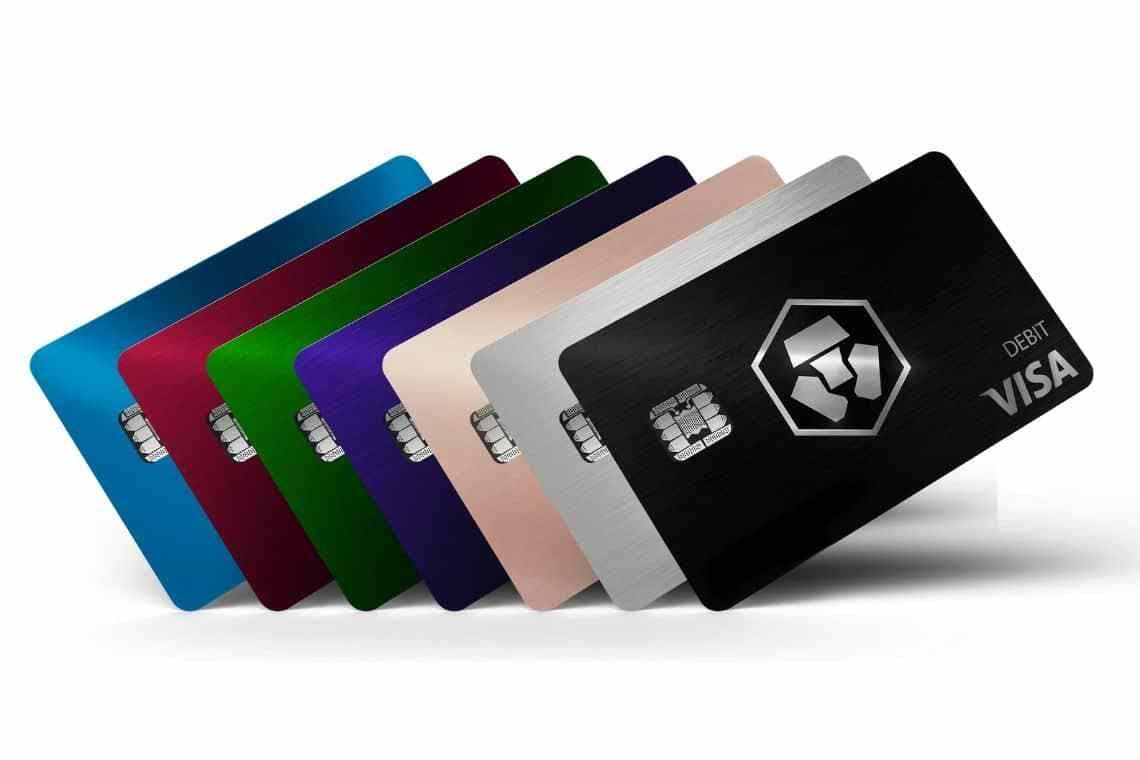
How crypto debit cards work
A crypto debit card acts as a bridge between your digital assets and the traditional banking system. When you tap your card at a store, the transaction is processed in local currency like USD or EUR. However, the card provider settles the payment by selling your cryptocurrency in the background. This means you are spending your crypto, even though the merchant only sees fiat money.
The mechanism is straightforward, but the fees can vary significantly. Many providers advertise "zero fees" on purchases, but they often make up for it with a wide spread on the crypto-to-fiat conversion. This spread is the difference between the real-time market price of your crypto and the price at which the card provider sells it to cover your purchase. A wide spread can eat into your rewards or cashback, effectively turning a "free" card into an expensive one.
When comparing options like the Coinbase Card or Crypto.com Card, look beyond the headline rewards. Check the conversion fees and spread details in the fine print. A card with 2% cashback might be less valuable than one with 1% cashback but a near-zero conversion spread, especially for frequent spenders.
Best overall crypto debit card
The Coinbase Card stands out as the best overall crypto debit card for most users. It balances widespread acceptance, straightforward rewards, and low friction, making it the go-to choice for everyday spending. Unlike niche options that require complex staking or lock up funds, Coinbase lets you spend crypto directly while keeping the experience familiar.
The card works like any standard Visa debit card. You load it with crypto, and it converts the balance to fiat at the point of sale. This means you can use it anywhere Visa is accepted, from grocery stores to online subscriptions. The conversion happens instantly, so you don't need to worry about exchange rates changing mid-transaction.
Rewards are simple: you earn 1% back in Bitcoin on every purchase. There are no tiered spending limits or complicated categories to track. This flat rate is competitive for a crypto-native card, especially when compared to traditional cashback cards that often require rotating categories or high spending thresholds.
For users who want a hassle-free way to use their digital assets, the Coinbase Card offers the best mix of accessibility and value. It avoids the high fees and strict eligibility requirements found in other crypto debit cards, making it a solid default choice.
How it compares to other top picks
While Coinbase leads for general users, other cards excel in specific areas like high cashback or staking rewards. The table below breaks down the key differences between the top three options.
| Card | Monthly Cashback | FX Fee | Supported Assets | Monthly Limit |
|---|---|---|---|---|
| Coinbase Card | 1% BTC | 1% | Bitcoin, Ethereum, Solana | $10,000 |
| Crypto.com Card | Up to 5% | 1.49% | 150+ coins | $50,000 |
| Bybit Card | Up to 8% | 1.99% | 50+ coins | $10,000 |
The Coinbase Card’s 1% flat rate may seem lower than the 5-8% offered by Crypto.com or Bybit. However, those higher rates come with strings attached. Crypto.com requires staking its native token, which locks up capital and adds complexity. Bybit’s rewards are tied to trading volume and staking, which may not suit casual spenders.
Foreign transaction fees are another differentiator. Coinbase charges a standard 1% FX fee, which is reasonable for occasional international use. Crypto.com and Bybit charge higher rates, which can add up quickly if you travel frequently or shop from overseas retailers.
Supported assets also vary. Coinbase focuses on major coins like Bitcoin, Ethereum, and Solana, which are the most liquid and widely accepted. Crypto.com and Bybit support hundreds of altcoins, but many of these have lower liquidity and higher volatility, which can impact spending flexibility.
For most people, the simplicity and reliability of the Coinbase Card outweigh the potential for higher rewards from more complex options. It’s the best overall crypto debit card because it removes the guesswork from using crypto in daily life.
Best cards for zero FX fees
Foreign transaction fees (FX fees) are a silent budget killer for anyone who travels or shops on international websites. Most traditional banks charge 1% to 3% on every purchase made outside the home country. Crypto debit cards often eliminate this entirely, offering a cleaner way to spend globally.
For frequent travelers, a card with no FX fees is as essential as your passport. It ensures that the exchange rate you see is the rate you pay, without hidden bank markups. This is particularly useful for digital nomads or anyone who frequently buys software, subscriptions, or goods from overseas merchants.
When selecting a card for international use, prioritize those that explicitly state "0% foreign transaction fees" in their fee schedule. This feature alone can save significant money over a year of travel.
Best cards for high cashback
Reward maximizers should look for crypto debit cards that offer the highest percentage back on everyday spending. While many cards provide modest returns, a few stand out by offering up to 8% cashback on specific categories like dining or streaming, and up to 5% on all other purchases. These rates are typically tiered, meaning you must hold a certain amount of the issuer’s native token or maintain a premium subscription to access the top rewards.
The Crypto.com Card and Bybit Card are frequently cited as top contenders in this space. The Crypto.com Visa card offers tiered rewards based on CRO staking levels, with the highest tier providing 5% back on all spending. Similarly, the Bybit Card provides competitive rewards for its users, often aligning with platform-specific promotions. These cards function like standard credit cards but settle transactions using your crypto balance, effectively turning daily purchases into small investments.
When choosing a high-cashback card, consider the reward structure carefully. Some cards offer higher percentages but require locking up assets for long periods, which reduces liquidity. Others provide flat rates with no strings attached. For most users, the best balance of high rewards and flexibility is found in cards that offer 1-3% back on all purchases without strict staking requirements, supplemented by higher rates in rotating bonus categories.

As an Amazon Associate, we may earn from qualifying purchases.
Non-custodial and privacy options
Most crypto debit cards require you to deposit funds into a centralized account, effectively handing over custody of your assets to the issuer. This creates a single point of failure: if the card provider freezes accounts or goes bankrupt, your funds are inaccessible. Non-custodial crypto debit cards solve this by letting you spend directly from your own wallet, ensuring you retain full control of your private keys at all times.
These cards act as a bridge between on-chain assets and the traditional payment network. When you make a purchase, a smart contract or dedicated gateway instantly converts the required crypto into fiat currency to settle the transaction with the merchant. You never transfer ownership of your coins to the card company; you only authorize a temporary spend limit. This model aligns with the "not your keys, not your coins" philosophy that defines self-custody.
MetaMask Card
The MetaMask Card connects directly to your non-custodial MetaMask wallet. It supports multiple cryptocurrencies and allows you to set a specific spending limit for added security. Because it relies on your existing wallet infrastructure, there is no need to deposit funds into a separate custodial account. The card processes transactions through traditional payment rails, making it widely accepted wherever Visa or Mastercard is used.
Ledger Card
For hardware wallet users, the Ledger Card offers a physical solution that prioritizes security. It pairs with your Ledger device, requiring physical confirmation for each transaction. This ensures that even if your digital wallet is compromised, an attacker cannot spend your funds without access to your hardware device. The card converts your crypto holdings into fiat at the point of sale, maintaining the privacy and control inherent to cold storage.
Choosing the Right Non-Custodial Card
When evaluating non-custodial options, focus on supported assets and regional availability. Not all providers support the same tokens, and regulatory restrictions may limit access in certain countries. Additionally, consider the ease of setting up spending limits and the transparency of conversion fees. A truly non-custodial card should never ask you to deposit funds into an external account; if it does, it is likely not fully non-custodial.
Crypto card fees to watch
When you swipe a crypto debit card, you are often executing a complex trade behind the scenes. The provider must convert your digital assets into fiat currency for the merchant. This conversion is where hidden costs accumulate, turning a "zero fee" promise into a silent drain on your balance.
The most common hidden cost is the spread. This is the difference between the real-time market price of your crypto and the price the card issuer uses for the conversion. While traditional banks may charge a fraction of a percent, crypto cards often apply a spread of 1% to 3%. On a $100 purchase, a 2% spread means you are effectively paying $2 more than the sticker price, regardless of whether the card advertises "no transaction fees."
Beyond spreads, you must watch for ATM withdrawal fees and inactivity charges. Many providers waive fees for standard point-of-sale purchases but charge flat rates for cash advances. Some cards also impose monthly inactivity fees if you do not make a certain number of transactions, punishing you for keeping the card as a backup.
To avoid these surprises, compare the total cost of ownership. Look beyond the annual fee and check the conversion spread in the terms of service. Cards like the Coinbase Card and Crypto.com Card offer different fee structures depending on your tier, so understanding these mechanics helps you pick the right tool for your spending habits.
Frequently asked: what to check next
Which crypto card is best for everyday use?
Coinbase Card is widely considered the best overall option for most users, offering straightforward crypto-to-fiat conversion with no monthly fees. It integrates directly with major crypto wallets, making it a practical choice for spending digital assets at any merchant that accepts Visa or Mastercard.
Do crypto debit cards charge hidden fees?
Most top-tier cards advertise zero monthly fees, but watch for foreign transaction fees (typically 1-3%) and network conversion spreads. Always check the provider’s fee schedule before linking your wallet to avoid unexpected costs on international purchases.
Can I earn cashback with crypto cards?
Yes. Many cards, such as the Crypto.com Card, offer cashback rewards that can be paid out in stablecoins or crypto. These rewards are often tiered based on your spending or holding levels. Always compare the effective annual percentage yield (APY) of the reward against any potential card fees.
No comments yet. Be the first to share your thoughts!