
How we picked the best crypto cards
We evaluated crypto debit cards based on three practical factors: fee transparency, reward value, and spending liquidity. The goal is to help you choose a card that actually saves money rather than charging hidden costs for every transaction.
Our analysis prioritized cards with clear fee structures and official issuer partnerships. We excluded products that obscure their terms or rely on complex loyalty tiers that are difficult to redeem. For this guide, we focused on cards from established platforms like Kraken, Crypto.com, and Coinbase, ensuring that the underlying infrastructure is reliable and regulated.
We compared these cards against real-world spending scenarios, including international transactions and crypto-to-fiat conversions. The rankings reflect the net value after fees, not just the headline cashback percentage. This approach helps identify which cards offer genuine utility for everyday spending.
Best overall crypto debit card
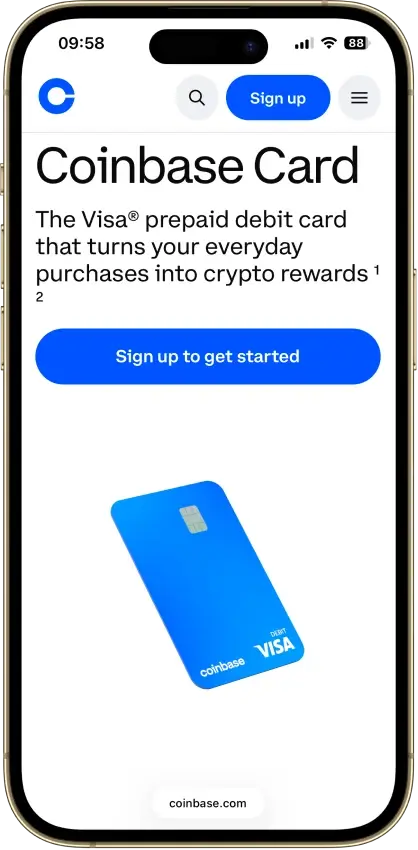
The Coinbase Visa® prepaid debit card stands out as the most accessible entry point for everyday crypto spending. Backed by one of the largest regulated exchanges, it removes the friction of converting digital assets into fiat currency at the point of sale. Users can spend directly from their crypto holdings without the volatility risk of holding stablecoins in a volatile market.
This card is designed for simplicity rather than complex yield generation. It allows you to select which asset to spend from—whether Bitcoin, Ethereum, or stablecoins—giving you control over your spending mix. The interface mirrors the familiar Coinbase app, making it easy for beginners to track transactions and manage balances without needing a separate banking dashboard.
While it may not offer the highest cashback rates found in niche travel cards, its broad acceptance and low barrier to entry make it a reliable default. It functions as a bridge between your crypto portfolio and the real world, ensuring your digital assets are usable wherever Visa is accepted. For most users, this balance of ease and utility makes it the top all-around choice.

As an Amazon Associate, we may earn from qualifying purchases.
Best low-fee crypto debit card
For users prioritizing cost efficiency over rewards, Coinbase stands out as the most economical choice for daily crypto spending. While many competitors bundle high annual fees or steep withdrawal charges with their cards, Coinbase offers a straightforward structure that keeps transaction costs minimal.
The card allows users to spend directly from their crypto holdings with low network fees. This makes it ideal for everyday purchases where preserving capital is more important than earning cashback. Unlike cards that deduct fees from your balance at the point of sale, Coinbase typically handles fee structures in a way that minimizes hidden costs on small transactions.
However, the trade-off for these low fees is a lack of aggressive rewards programs. You won't find high percentage cashback or crypto bonuses on this card. Instead, the value lies in the simplicity and the reduced friction of moving funds from your wallet to a merchant. If your goal is to spend crypto without losing a significant portion to fees, this is the most reliable option.
Best cashback and rewards card
When spending crypto assets, the value proposition shifts from simple access to active earning. The best cashback and rewards cards function as high-yield spending tools, converting everyday purchases into additional digital assets rather than letting your capital sit idle.
Kraken’s Krak Card stands out for users already integrated into the exchange ecosystem. It offers rewards paid in Kraken’s native token, KRAK, effectively boosting the yield on your spend. This structure appeals to those who want to compound their holdings through daily transactions rather than redeeming points for generic gift cards.
For broader asset support, the Crypto.com Visa Card remains a top contender for high-volume spenders. Its tiered rewards system allows users to earn up to 5% back in CRO when they stake sufficient amounts of the token. This model rewards commitment, turning large monthly bills into significant crypto gains.
These cards treat your spending like an investment vehicle. Instead of paying fees for the privilege of using your assets, you receive a return, making the card a functional part of your portfolio strategy.
Instant crypto spend and liquidity
The defining feature of modern crypto debit cards is how quickly they convert your digital assets into spendable fiat currency. When you swipe your card at a coffee shop or grocery store, the transaction happens in seconds, but the backend process is more complex. Your crypto holdings are converted to local currency (USD, EUR, GBP, etc.) at the point of sale, allowing merchants to receive traditional settlement while you spend your digital assets.
This instant conversion mechanism is critical for liquidity. Unlike holding crypto in a cold wallet, where selling requires multiple steps and potential market timing risks, a crypto debit card automates the exchange. The card provider typically uses a pre-funded fiat account or an on-demand liquidation engine. When a purchase is authorized, the system immediately sells the necessary amount of crypto from your linked wallet to cover the fiat balance. This ensures the merchant gets paid in their local currency without delay, while you effectively spend your crypto as if it were cash.
The speed and efficiency of this conversion depend on the card issuer's infrastructure. Top-tier providers partner with established payment processors and liquidity providers to minimize slippage and ensure real-time execution. This means your crypto is converted at the prevailing market rate at the exact moment of the transaction, protecting you from sudden price swings that might occur if you were to manually sell assets before shopping. For users who want to spend their Bitcoin or Ethereum without locking it away, this seamless bridge between digital assets and everyday commerce is the primary utility driving adoption in 2026.
Frequently asked questions about crypto cards
Are crypto debit cards safe to use?
Crypto debit cards function as a bridge between your digital assets and traditional banking networks like Visa or Mastercard. When you make a purchase, the card issuer instantly converts your cryptocurrency into fiat currency at the point of sale, meaning you never hand over your actual coins to the merchant. Security relies on the card issuer’s encryption standards and your personal account hygiene. Always enable two-factor authentication (2FA) and use virtual card numbers for online transactions to limit exposure if a merchant data breach occurs.
Do I have to pay taxes when I use a crypto debit card?
Yes, in most jurisdictions, using a crypto debit card triggers a taxable event. The IRS and many other tax authorities view the conversion of cryptocurrency to fiat currency as a disposal of an asset. If the value of your crypto has increased since you acquired it, you owe capital gains tax on that profit, even if you didn’t withdraw cash to a bank account. Keep detailed records of every transaction date, the value of the crypto at the time of spending, and the fiat amount received to simplify your tax filing.
Can I get a crypto debit card without a bank account?
While you don’t necessarily need a traditional bank account to hold crypto, most regulated card issuers require a verified identity (KYC) and a funding source. Some providers allow you to fund the card directly via crypto transfers, while others may require a linked bank account for fiat withdrawals or overdraft protection. Be cautious of cards that claim to be "no-KYC" or anonymous, as these often operate in legal gray areas and may carry higher risks of fraud or sudden service termination.
No comments yet. Be the first to share your thoughts!