
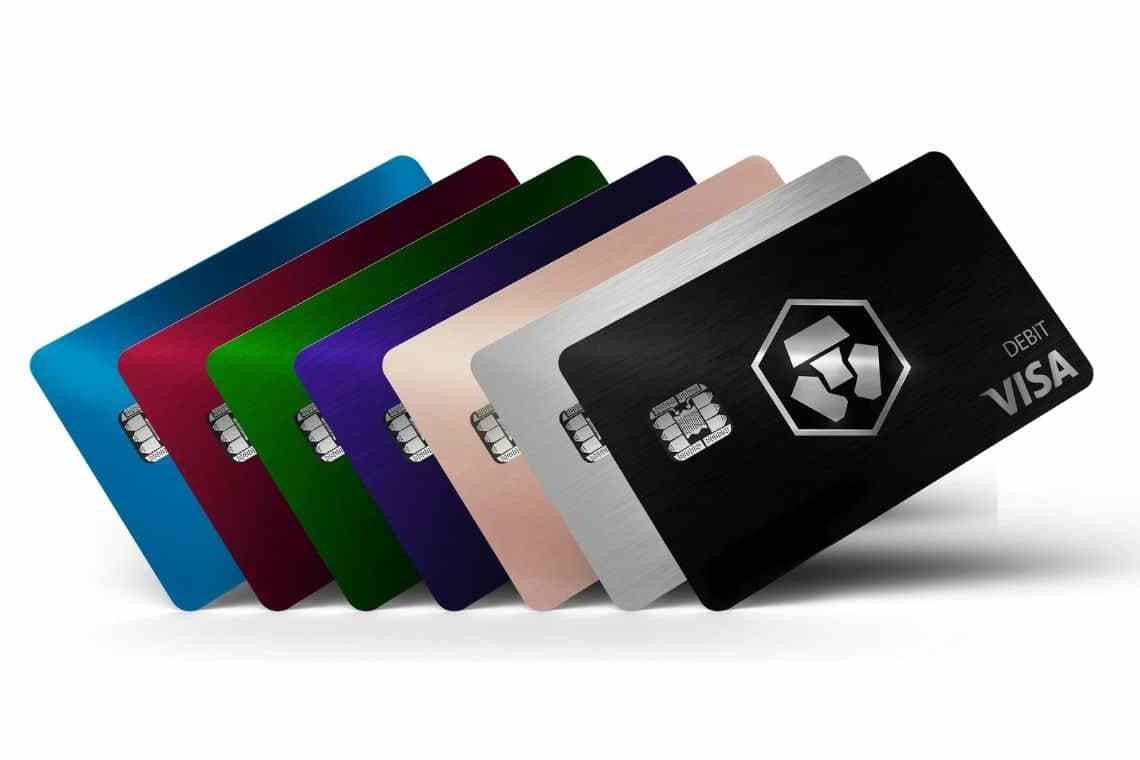
How we picked the best crypto debit cards
We evaluated crypto debit cards based on four concrete criteria: cashback rates, foreign transaction fees, supported cryptocurrencies, and regional availability. The goal is to help you find a card that actually saves money rather than charging hidden costs for every swipe.
Cashback is the primary draw, but rates vary significantly. Some cards offer 1-3% on all purchases, while others require holding specific tokens to unlock higher tiers. We prioritized cards with straightforward, unconditional rewards that don’t require complex staking arrangements just to use your own money.
Foreign transaction fees are a silent budget killer for travelers. Many traditional banks charge 3% on overseas purchases. The best crypto debit cards waive these fees entirely, making them superior for international use. We excluded cards that impose FX fees, as they negate the value of crypto rewards.
Supported cryptocurrencies and custody models determine how easily you can spend your assets. Some cards allow spending directly from a hot wallet, while others require locking funds in a proprietary vault. We favored cards that offer flexibility and transparency in how your crypto is converted to fiat at the point of sale.
Regional availability is a hard constraint. Not all cards are issued in every country. We focused on products available to US and EU residents, noting where restrictions apply. If a card is only available in Asia, it won’t help a US-based reader.
We analyzed data from official sources including MetaMask and Eco to verify current fee structures and reward tiers. This ensures the recommendations reflect the 2026 landscape, where regulations and product features are constantly shifting.
Best overall crypto debit card: Coinbase Card
For most users, the Coinbase Card is the best overall crypto debit card because it removes the friction between holding digital assets and spending them. Unlike complex credit cards that require manual conversion steps, this debit card links directly to your Coinbase wallet, allowing you to spend your crypto balance instantly at any merchant that accepts Visa.
The primary advantage is simplicity. You do not need to manually sell assets or wait for bank transfers to clear. When you make a purchase, the card automatically converts the necessary amount of your crypto holdings to fiat currency in real time. This "spend as you hold" mechanism means you can use your Bitcoin, Ethereum, or stablecoin balance for everyday groceries, bills, and subscriptions without managing separate cash accounts.
Rewards are straightforward and consistent. The card offers a flat 1% cashback on all purchases, paid back in the crypto you spend. If you buy coffee with USDC, you earn 1% back in USDC. If you spend Bitcoin, you earn 1% back in Bitcoin. This eliminates the need to track rotating bonus categories or meet spending thresholds to unlock higher rates, making it a reliable tool for daily use.
The Coinbase Card is best suited for users who already hold significant crypto balances and want a seamless way to use them. It is less ideal for those who prefer to keep their crypto untouched for long-term investment, as spending directly reduces your principal holdings.



As an Amazon Associate, we may earn from qualifying purchases.
Best crypto card for zero foreign transaction fees
When traveling abroad, foreign transaction fees (FX fees) can quietly erode your budget. Most traditional banks charge 1-3% on every international purchase, but several crypto debit cards waive these fees entirely. This feature is essential for travelers who want to spend their crypto without losing value to currency conversion markups.
Kast and Gnosis Pay stand out as top choices for zero FX fees. Kast offers a Mastercard that charges no foreign transaction fees and supports spending across a wide range of cryptocurrencies. Gnosis Pay, built on the Gnosis blockchain, also provides zero FX fees on international transactions, making it a strong option for frequent travelers. While other cards like Coinbase and Crypto.com have competitive rewards, their FX fee structures can vary by tier or region, so always check the latest terms.
To help you compare, here is a breakdown of the key features for the top travel-friendly cards.
| Card | FX Fee | Cashback | Supported Assets |
|---|---|---|---|
| Kast | 0% | Up to 1% | BTC, ETH, USDC, and more |
| Gnosis Pay | 0% | 0% | GNO, ETH, USDC |
| Coinbase Card | Varies by tier | Up to 4% Coinbase One | BTC, ETH, USDC, and more |
| Crypto.com Visa | Varies by tier | Up to 5% | Crypto.com Token, BTC, ETH, and more |
Choosing the right card depends on your spending habits and the crypto you hold. If zero FX fees are your top priority, Kast and Gnosis Pay are reliable options. For those who want to maximize rewards, Coinbase and Crypto.com offer higher cashback potential, though you may incur FX fees depending on your subscription tier. Always review the current fee schedules on the official provider websites before applying.
Best crypto debit card for high cashback rates
Maximizing rewards on everyday spending requires a card that turns routine purchases into significant crypto returns. While many cards offer standard flat-rate rewards, the best options for high cashback rates provide multipliers on specific categories or generous base rates on all spending.
The Coinbase Card stands out as a top contender for users seeking high cashback. As a debit card issued by one of the world's largest crypto exchanges, it allows you to earn crypto back on purchases. The card typically offers up to 4% in Bitcoin rewards on select categories like streaming services and rideshare, with a base rate on other everyday spending. This structure effectively turns your daily transactions into a compound growth engine for your crypto portfolio.
Other cards, such as those from Gemini, also compete in this space by offering rewards on everyday spending. However, for pure cashback volume, the Coinbase Card's tiered reward system often provides a higher ceiling for active spenders. When choosing a card for high cashback, look for flexible reward categories that align with your personal spending habits, ensuring you capture the maximum percentage back on your largest expense buckets.
Best crypto debit card for self-custody users
If you hold your own keys, you likely prefer not to deposit funds into a centralized exchange just to spend them. A self-custody-friendly crypto debit card lets you bridge assets directly from your wallet—like MetaMask or a Ledger hardware device—to make everyday purchases. This approach keeps your private keys off third-party servers while still providing the convenience of a Visa or Mastercard network.
The most prominent option in this niche is the MetaMask Card, which integrates directly with the MetaMask browser extension and mobile app. Instead of moving funds to a separate entity, the card connects to your existing wallet balance. You can select which stablecoins or cryptocurrencies to spend, and the provider handles the conversion to fiat currency at the point of sale. This reduces the friction of managing multiple accounts and keeps your spending limits tied to your actual on-chain holdings.
Hardware wallet users have a similar path through Ledger Live. The Ledger Card allows you to spend crypto stored on your physical device without exposing your private keys to the internet. By authorizing transactions through the Ledger device itself, you maintain full control over your assets. The card settles in fiat, meaning merchants receive dollars or euros, while your crypto balance updates automatically based on the exchange rate at the time of purchase.
When choosing a card for self-custody, prioritize those that support multiple blockchains. A card limited to Ethereum mainnet can become expensive during network congestion. Look for providers that support Layer 2 solutions or alternative chains like Polygon to keep transaction costs low. Additionally, verify that the card issuer is regulated in your jurisdiction, as this ensures your funds are protected under local financial laws.
Frequently asked questions about crypto debit cards
Is a crypto debit card legal?
Crypto debit cards are legal in most jurisdictions, including the US and EU, provided the issuer complies with local financial regulations. In the US, providers must register as Money Services Businesses (MSBs) with FinCEN and adhere to strict KYC (Know Your Customer) and AML (Anti-Money Laundering) laws. The IRS treats crypto transactions as property, meaning spending via a crypto card triggers a taxable event based on the asset’s value at the time of the transaction. Always verify the issuer’s regulatory status before signing up.
How do crypto debit cards work?
These cards act as a bridge between your digital assets and traditional spending. When you make a purchase, the card provider instantly converts your selected cryptocurrency (like Bitcoin or USDC) into fiat currency (USD, EUR, etc.) at the point of sale. This conversion happens in real-time, allowing you to spend crypto anywhere Visa or Mastercard are accepted. Most cards require you to pre-fund a linked wallet or account, ensuring you only spend assets you actually own.
Do crypto debit cards charge foreign transaction fees?
Many top-tier crypto debit cards, such as those highlighted in our 2026 roundup, offer zero foreign transaction fees, a significant advantage over traditional bank cards. However, this is not universal. Some providers charge a small spread (e.g., 1-2%) on the FX conversion rate or a flat fee per international transaction. Always check the card’s fee schedule, as providers like RedotPay and HolyHeld have different structures depending on your verification level and region.
No comments yet. Be the first to share your thoughts!