
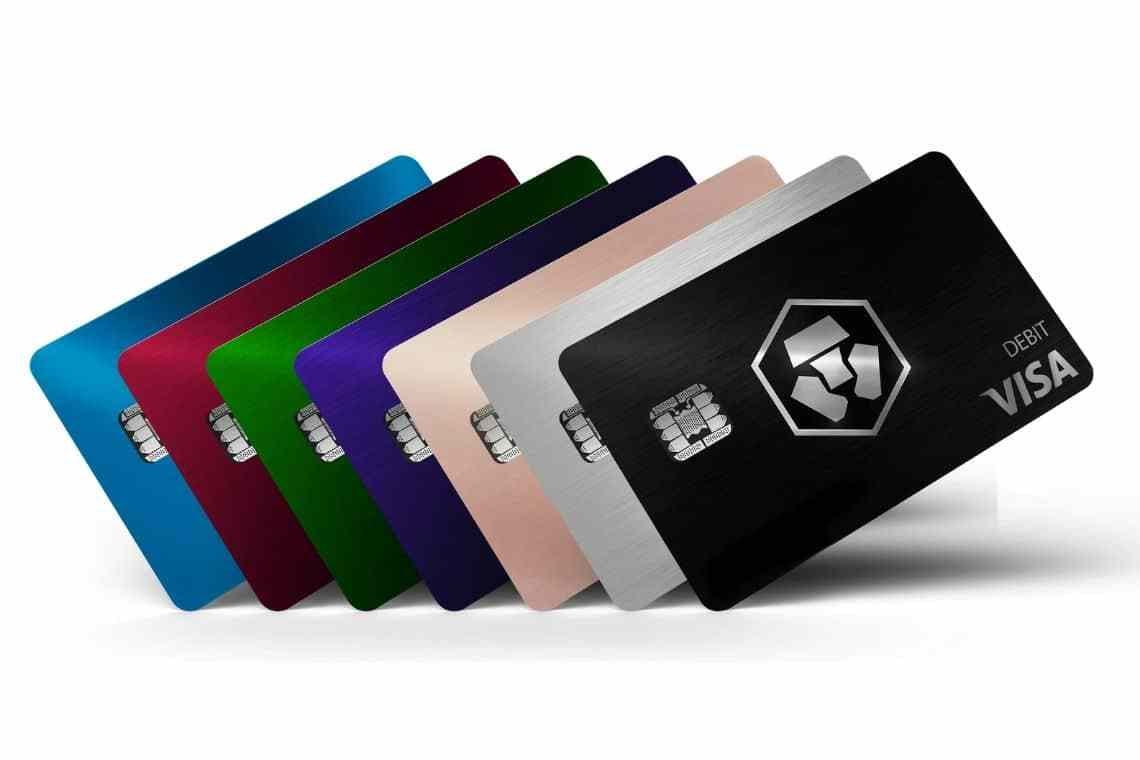
How we picked the best crypto cards
We evaluated crypto debit cards based on four concrete factors: fee structures, rewards rates, supported digital assets, and regional availability. Our goal was to identify cards that offer real spending power without hidden costs or regulatory gray areas.
Fee structures were the primary filter. We prioritized cards with transparent monthly maintenance fees, clear ATM withdrawal limits, and low foreign transaction fees. Cards with complex tiered fee structures or hidden conversion spreads were deprioritized.
Rewards rates were analyzed for real value. We looked at cashback percentages on everyday spending and whether rewards are paid in stablecoins, volatile cryptocurrencies, or fiat. Cards offering higher rewards on crypto-native spending were favored, but only if the underlying asset stability was sufficient for practical use.
Supported assets determine flexibility. We reviewed which cryptocurrencies each card accepts for spending and conversion. Cards supporting a broad range of major assets like Bitcoin, Ethereum, and USDC were rated higher than those limited to a single token.
Regional availability ensures the recommendations are actionable. We verified that each card is available to residents in the United States and other key markets, noting any geographic restrictions that might apply.
This rigorous screening process ensures that the cards listed in this guide are not only attractive for their rewards but also safe, compliant, and practical for everyday use.
Coinbase Card offers the safest entry point for US users
The Coinbase Card stands out as the most accessible option for Americans looking to spend cryptocurrency. Backed by one of the largest and most regulated exchanges in the industry, it provides a straightforward bridge between digital assets and everyday purchases. For users prioritizing security and regulatory compliance, this card minimizes the friction of moving funds from an exchange wallet to a physical point of sale.
Simplicity is its primary advantage. The card integrates directly with your Coinbase account, allowing you to spend supported cryptocurrencies without complex staking requirements or tiered loyalty programs. This makes it an ideal starting point for those new to crypto finance who want to use their holdings for daily expenses without navigating intricate fee structures or reward multipliers.
However, the convenience of instant spending comes with significant tax implications. Every time you use the card to buy coffee or groceries, the IRS treats it as a taxable event. You are selling a portion of your crypto, which triggers capital gains or losses that must be reported on your tax return. This constant realization of taxable events can complicate your tax filing, so keeping detailed records is essential.
While the Coinbase Card provides a reliable and secure way to access your digital assets, it lacks the high-yield rewards found in competitor products. It is designed for utility and safety rather than aggressive cashback accumulation. Users who prioritize ease of use and regulatory oversight over maximizing returns will find it a practical tool for managing their crypto portfolio.
As an Amazon Associate, we may earn from qualifying purchases.
Best for rewards: Crypto.com Visa
The Crypto.com Visa stands out as the top choice for users willing to lock up tokens to access higher cashback rates. Unlike flat-rate cards, this system ties your spending power directly to your staked CRO, creating a tiered rewards structure that scales with your commitment.
To maximize benefits, you must stake significant amounts of CRO to unlock higher tiers, ranging from Mint to Royal. Each level increases your cashback percentage and grants access to premium perks like airport lounge visits or streaming subscriptions. This model rewards long-term holders but requires careful capital allocation.
| Tier | Staking Requirement | Cashback Rate |
|---|---|---|
| Mint | $0 | 1% |
| Steel | $400 | 2% |
| Ice | $4,000 | 3% |
| Jade Grey | $40,000 | 5% |
| Obsidian | $400,000 | 5% |
Using the card involves converting crypto to fiat at the point of sale, which can trigger taxable events depending on your jurisdiction. Always consult a tax professional to understand how these transactions impact your liabilities.
Best for self-custody: Kast and Gnosis Pay
Most crypto debit cards require you to move funds into a centralized exchange or a custodial wallet before spending. This creates a single point of failure and raises questions about who truly controls your assets. For users who prioritize self-custody, Kast and Gnosis Pay offer a different path, allowing you to spend directly from your own wallet without handing over keys to a third party.
Kast integrates with MetaMask, letting you spend crypto stored in your personal wallet. The card converts your assets to fiat at the point of sale, meaning you never need to pre-fund a card balance. Gnosis Pay operates similarly, connecting to your self-custodied assets via smart contract logic. These tools bridge the gap between on-chain holdings and everyday commerce without requiring a centralized intermediary.
This approach keeps your assets in your control until the moment of transaction. However, it introduces complexity. You are responsible for managing gas fees and ensuring your wallet has enough native currency for network transactions. If you make a spending error or lose access to your wallet, there is no customer service team to reverse the charge or restore your funds.
The financial and tax implications are also distinct. Every transaction is a taxable event in many jurisdictions, and because these cards interact directly with your on-chain history, the trail is transparent. As noted in discussions about wallet visibility, once your identity is linked to your exchange accounts, the IRS can map wallet-to-wallet activity, especially when converting to fiat. Self-custody cards do not hide this trail; they simply change where the custody risk lies.
Understanding crypto card fees and taxes
Using a crypto debit card like the Coinbase Card or Crypto.com Visa is not just a payment method; it is a series of financial transactions that carry specific costs and regulatory consequences. While these cards offer the convenience of spending digital assets instantly, they often obscure the true price of that convenience in hidden fees and complex tax liabilities. Understanding these mechanics is essential to prevent unexpected deductions from your balance and to stay compliant with tax authorities.
Hidden costs: FX and withdrawal fees
The most immediate friction in crypto spending often comes from foreign exchange (FX) fees. When you buy a coffee in Paris with the Crypto.com Visa, the card issuer must convert your USD balance to EUR. Many providers charge a spread or a flat percentage on these conversions that is not immediately visible at the point of sale. Additionally, some cards impose withdrawal fees if you use an ATM to get cash back, treating the transaction as a cash advance rather than a standard purchase.
Always check the issuer’s fee schedule for "currency conversion" and "ATM withdrawal" charges. The Coinbase Card, for instance, offers different fee structures depending on your VIP tier, meaning high-volume users may pay significantly less in FX spreads than casual users. Ignoring these details can turn a small purchase into a disproportionately expensive one.
Tax implications: Spending is a taxable event
The most critical aspect of using crypto cards is understanding that spending your cryptocurrency is often a taxable event. In many jurisdictions, including the United States, the IRS treats crypto as property, not currency. This means that every time you use your crypto card to buy a good or service, you are technically selling that crypto at its current market value.
If the value of your crypto has increased since you acquired it, you have realized a capital gain. You must report this gain on your tax return, even though you never received the cash directly into your bank account. For example, if you bought Bitcoin at $20,000 and spend it when it is worth $30,000, you owe taxes on the $10,000 profit. This complexity requires careful record-keeping and often professional tax advice.
Tracking your transactions
To manage this complexity, many users rely on the transaction history provided by their card issuer. However, these records may not automatically align with the cost-basis reporting required by tax software. It is advisable to use a crypto tax calculator or a dedicated portfolio tracker to map each card transaction to its corresponding acquisition date and value.
Failure to track these events can lead to underreporting income, which carries significant penalties. The IRS has increasingly focused on crypto activity, and as noted in recent guidance, once your identity is linked to exchange accounts, the agency can map wallet-to-wallet activity and subsequent fiat conversions. Staying proactive about your tax obligations is the only way to ensure your crypto spending remains a convenient tool rather than a financial liability.
Frequently asked questions about crypto cards
Can the IRS see your crypto wallet?
Yes. Once your identity is connected to a major exchange, the IRS can map wallet-to-wallet activity if it chooses to investigate. This visibility increases significantly when you move crypto back to an exchange or convert it to fiat that hits your bank account. Using a card like the Coinbase Card or Crypto.com Visa creates a direct, traceable link between your on-chain assets and your real-world identity.
What is the best card to use for crypto?
The "best" card depends on your specific spending habits and tax situation. Some users prefer the Nexo card for its dual-mode capability, allowing them to spend directly from a balance or use a credit line. Others prioritize the rewards structure of the Crypto.com Visa or the ease of integration offered by the Coinbase Card. There is no single universal winner; you must choose based on whether you value cashback, travel perks, or low fees above all else.
Do I pay taxes when I use my crypto card?
In most jurisdictions, spending crypto is a taxable event. When you use a card to buy coffee, you are technically selling that crypto at its current market value. If the value of the crypto has increased since you acquired it, you owe capital gains tax on that difference. This applies even if you use a card like the Coinbase Card that converts crypto to fiat instantly. Keep detailed records of every transaction to avoid surprises during tax season.
No comments yet. Be the first to share your thoughts!