
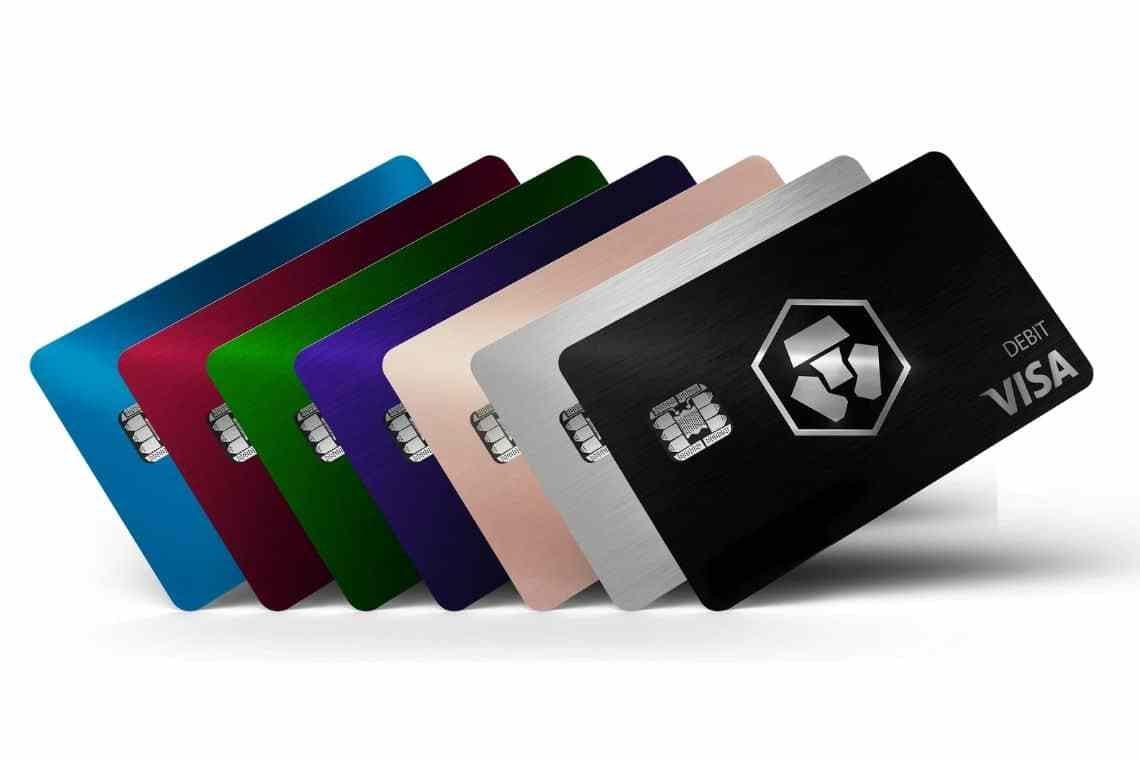
How crypto debit cards work
A crypto debit card bridges your digital assets and the traditional banking system. When you make a purchase, the provider instantly converts your cryptocurrency into local fiat currency to settle the transaction. This mechanism allows you to spend digital assets at any merchant accepting Visa or Mastercard, neutralizing crypto volatility during checkout.
Two primary models exist: prepaid and linked wallet. Prepaid cards require loading funds in advance. The Nexo Card uses a hybrid model, allowing you to lock up crypto collateral for spending power or load fiat directly. This offers predictable budgeting but requires manual top-ups.
Linked wallet cards connect directly to your exchange or self-custody wallet. The Coinbase Card draws from your account balance in real-time. Swiping the card triggers an automatic sale of the necessary crypto amount. This seamless conversion eliminates the need to pre-fund a separate card account, enabling direct spending from your primary crypto storage.
Understanding this distinction is vital for managing fees and rewards. Prepaid cards often have fixed reload fees, while linked wallets may trigger immediate capital gains tax events depending on your jurisdiction. Choosing between them depends on whether you prioritize the simplicity of real-time spending or the control of pre-loaded funds.
Best overall crypto debit card
The Coinbase Card stands out as the best all-around crypto debit card for most users. It balances low fees, straightforward rewards, and instant spending power without locking you into complex tiers or high minimum balances. As a prepaid Visa debit card, it connects directly to your crypto holdings, letting you spend Bitcoin, Ethereum, and other supported assets at any merchant that accepts Visa.
One of the strongest advantages is the ease of use. You can spend your crypto instantly at checkout, and Coinbase handles the conversion to fiat currency in the background. This means you don't need to manually sell your assets before every purchase. For those seeking rewards while spending, the card offers up to 1% cashback in Bitcoin on eligible purchases, depending on your holdings. This simple, flat-rate reward structure avoids the confusion of rotating categories or spending caps.
Fees are another reason this card ranks at the top. There are no monthly fees, no annual fees, and no minimum balance requirements. While standard ATM fees may apply depending on your bank and location, the card itself is free to obtain and maintain. This makes it accessible for everyday spending rather than just for high-net-worth individuals or crypto enthusiasts who rarely spend.
For those looking to purchase the card or related accessories, you can find them on Amazon.

As an Amazon Associate, we may earn from qualifying purchases.
Best crypto debit cards for high cashback rewards
If you spend heavily on everyday items, a crypto debit card with a generous rewards structure can turn routine purchases into significant returns. Unlike traditional credit cards that often lock you into fixed points systems, these cards let you earn rewards in the assets you already hold or prefer. The best options combine low fees with high percentage cashback, making them ideal for maximizing the value of your daily spending.
When choosing a card for rewards, look beyond the headline percentage. Some cards offer flat rates on all purchases, while others boost rewards for specific categories like dining or travel. Additionally, consider how rewards are distributed—some cards credit you in stablecoins for predictable value, while others pay out in volatile tokens that may appreciate or depreciate. The goal is to find a card that aligns with your spending habits and your risk tolerance.
The table below compares the top contenders for high cashback, focusing on their reward structures and supported cryptocurrencies. This comparison helps you quickly identify which card offers the best value for your specific spending patterns.
| Card | Cashback Rate | Supported Crypto | Monthly Reward Limit |
|---|---|---|---|
| Coinbase Card | Up to 4% in BTC | BTC, ETH, SOL | Unlimited |
| Krak Card | Up to 8% in KRAK | KRAK, BTC, ETH | Tiered limits |
| Nexo Card | Up to 2.5% in NEXO | NEXO, BTC, ETH | Depends on collateral |
| Karta.io Visa | Up to 5% in KRT | KRT, BTC, ETH | Business tier limits |
Low-fee options for daily use
For everyday spending, monthly subscription fees and hidden exchange markups eat into your purchasing power. The best low-fee crypto debit cards charge nothing to hold and offer transparent, competitive exchange rates when you spend. Look for cards that waive ATM withdrawal fees within their network and provide real-time conversion without hidden spreads.
Coinbase Card
The Coinbase Card is a straightforward option for spending directly from exchange balances. It charges no monthly fees and offers up to 1% cashback in Bitcoin on eligible purchases. The card automatically converts crypto to fiat at the point of sale using Coinbase’s internal exchange rate, which is generally competitive but includes a small spread. It is ideal for users who already hold assets on the platform and want a seamless, fee-free spending experience.
Krak Card
The Krak Card (Kraken) is designed for prioritizing low costs and wide acceptance. It features no monthly fees and offers tiered cashback rewards based on your trading volume. ATM withdrawals are free within a certain limit, and exchange rates are based on Kraken’s market rates with a transparent fee structure. The card supports multiple cryptocurrencies, allowing you to choose which asset to spend, which can be beneficial if you hold assets with lower volatility.
Nexo Card
The Nexo Card stands out for its zero monthly fees and instant spending power backed by crypto collateral. Users can borrow against their crypto holdings to get a virtual or physical card, avoiding the need to sell assets and trigger taxable events. The card offers up to 1% cashback in NEXO tokens on spending. ATM withdrawals are free up to a certain limit, and exchange rates are competitive. This option is particularly useful for accessing liquidity without selling your crypto portfolio.
Crypto card vs traditional bank card
Choosing between a crypto debit card and a traditional bank card comes down to how you value rewards, privacy, and speed. While traditional cards offer stability and broad acceptance, crypto cards like the Coinbase Card, Krak Card, and Nexo Card provide distinct advantages for digital asset holders, particularly regarding cashback and instant spending capabilities.
Rewards are often the primary differentiator. Traditional fiat cards typically offer 1-2% cashback on general spending. In contrast, crypto debit cards frequently offer higher rates, often ranging from 1% to 3% or more, paid out in cryptocurrency or stablecoins. This can significantly boost returns for users who already hold digital assets. For instance, the Coinbase Card allows users to earn rewards in Bitcoin, Ethereum, or Litecoin, effectively turning everyday purchases into passive accumulation of crypto assets.
Privacy and volatility present two sides of the same coin. Crypto cards offer a layer of privacy by not directly linking your bank account to every transaction, though they still require KYC (Know Your Customer) verification. However, they introduce volatility risk. If you spend directly from a volatile asset like Bitcoin, a sudden price drop could erode your purchasing power. To mitigate this, many cards like the Nexo Card use a hybrid model, converting crypto to stablecoins instantly at the point of sale, ensuring the merchant receives fiat-equivalent value while you retain exposure to your underlying assets.
Instant spending is another key benefit. Traditional bank transfers can take days to clear, but crypto debit cards allow you to spend your digital assets immediately. This is particularly useful for travelers or those who want to leverage their crypto holdings for everyday purchases without waiting for exchange settlements. The Coinbase Visa® prepaid debit card, for example, supports instant spending by converting your crypto balance to fiat on the fly, ensuring your transactions go through smoothly wherever Visa is accepted.
Ultimately, the choice depends on your financial priorities. If you prioritize stability and broad acceptance, traditional bank cards remain a solid choice. However, if you seek higher rewards, privacy, and instant access to your digital assets, crypto cards like the Coinbase Card, Krak Card, and Nexo Card offer compelling alternatives. They bridge the gap between the traditional financial system and the emerging crypto economy, providing flexibility and enhanced rewards for modern consumers.
How to choose the right crypto debit card
Selecting the best crypto debit card depends on whether you prioritize cashback, travel flexibility, or transaction simplicity. The right card acts as a bridge between your digital assets and daily spending, so matching features to your habits prevents unnecessary fees.
1. Compare fee structures
Fees vary significantly between providers. Look for cards with zero monthly maintenance fees and low FX (foreign exchange) rates if you travel. For example, the Coinbase Card offers straightforward fee structures for US users, while the Nexo Card provides a hybrid model that may suit those holding specific assets. Always check the fine print for ATM withdrawal fees and inactivity charges.
2. Evaluate rewards and cashback
Cashback rates differ based on the card tier and the cryptocurrencies you hold. The Krak Card, for instance, is known for its competitive rewards program tied to its native token. If you spend heavily on specific categories like dining or travel, choose a card that offers higher multipliers for those areas. Ensure the rewards are paid out in stablecoins or crypto that you actually want to hold.
3. Check supported assets and regional availability
Not all cards support every cryptocurrency. Some cards only allow spending from stablecoins like USDT or USDC, while others let you spend directly from Bitcoin or Ethereum. Additionally, regional restrictions apply; a card popular in Europe might not be available in the US. Verify that your preferred assets are supported and that the card is accessible in your country before applying.
4. Assess spending flexibility
Instant spending capabilities are crucial for a seamless experience. Some cards require you to manually convert crypto to fiat before each transaction, while others auto-convert at the point of sale. The Coinbase Card, for example, allows direct spending from your crypto balance. Choose a card that matches your preferred level of automation and control over your assets.
Frequently asked: what to check next
Do crypto debit cards charge foreign transaction fees?
Most crypto debit cards, including the Coinbase Card and Krak Card, do not charge additional foreign transaction fees beyond the standard FX spread applied during currency conversion. However, you should verify the specific terms of each card, as some providers may impose small fees for international ATM withdrawals or cross-border transactions.
Are crypto debit card transactions taxable?
In many jurisdictions, spending crypto via a debit card is considered a taxable event because it involves selling or exchanging cryptocurrency for fiat currency. For example, in the US, the IRS treats crypto-to-fiat conversions as disposals, potentially triggering capital gains or losses. Cards like the Nexo Card help mitigate this by using collateral loans rather than direct sales, but you should consult a tax professional for advice specific to your situation.
Can I use a crypto debit card for online subscriptions?
Yes, crypto debit cards function like traditional Visa or Mastercard debit cards, so they can be used for online subscriptions, including streaming services, software, and digital goods. Ensure that the merchant accepts Visa or Mastercard and that your card has sufficient balance or collateral to cover recurring charges.
What happens if my crypto collateral value drops?
For cards like the Nexo Card that use collateralized loans, a significant drop in the value of your crypto collateral can trigger a margin call. If the collateral value falls below a certain threshold, you may need to add more funds or assets to maintain your spending power, or the provider may liquidate some of your collateral to cover the loan. Always monitor your collateralization ratio to avoid unexpected liquidations.
No comments yet. Be the first to share your thoughts!