
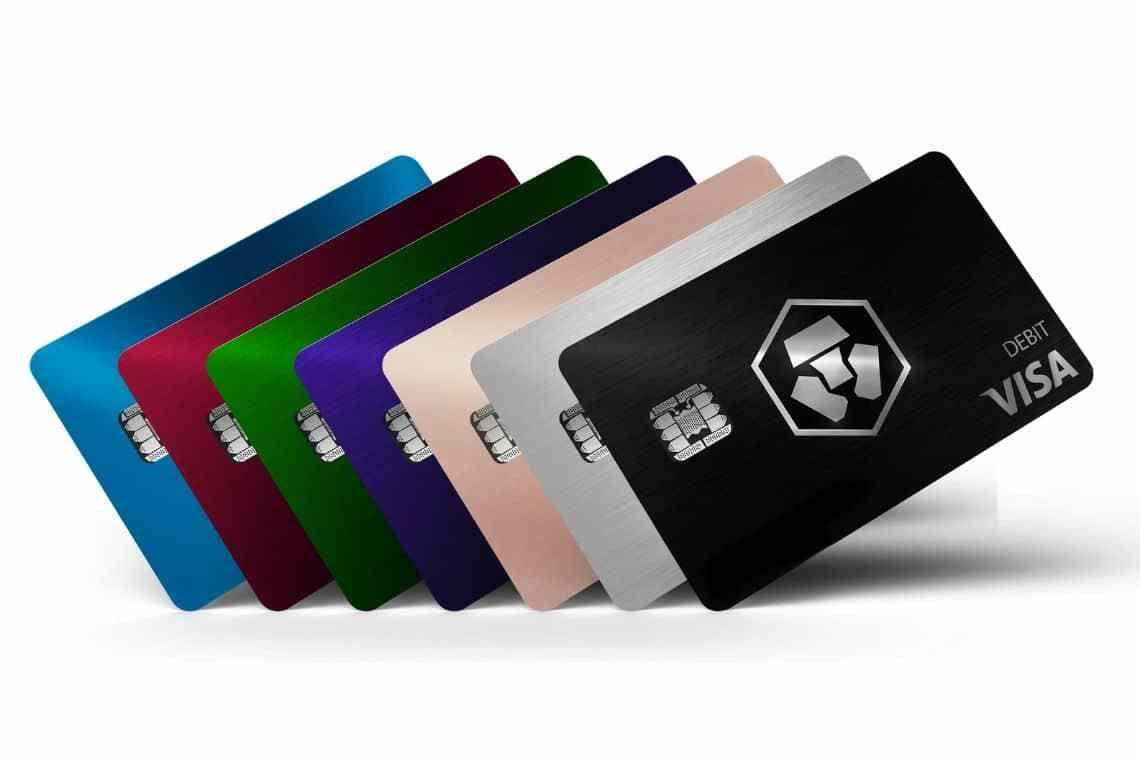
How we picked the best crypto debit cards
Choosing a crypto debit card means balancing three competing needs: keeping costs low, earning real rewards, and spending without friction. We evaluated 2026’s leading options against these specific criteria to separate marketing hype from actual utility.
Our primary filter is fee structure. Many cards advertise "free" spending but hide costs in currency conversion spreads or monthly maintenance fees. We prioritized cards with transparent, no-monthly-fee models and instant fiat conversion, ensuring your crypto converts to spendable dollars at the point of sale without hidden markups.
Next, we analyzed cashback rates. We looked for cards that offer meaningful percentages on everyday categories like groceries, gas, and dining, rather than negligible rates that vanish after the first month. The best cards in our roundup offer competitive rewards that actually offset transaction fees.
Finally, we tested supported cryptocurrencies and conversion speed. A card is only useful if it accepts the assets you hold. We favored cards supporting major coins like Bitcoin and Ethereum with near-instant conversion speeds, so your purchases don’t stall while the network confirms.
Below is a side-by-side comparison of the top contenders based on these metrics.
Top crypto debit card picks for 2026
Choosing a crypto debit card in 2026 is less about finding the highest cashback rate and more about minimizing the friction between your digital assets and everyday purchases. The market has shifted from speculative marketing to practical utility, with providers focusing on low fees, broad coin support, and seamless integration with major payment networks like Visa and Mastercard.
The cards listed below represent the current leaders in performance, balancing reward structures with the reality of transaction costs. We have evaluated these options based on real-world spending data, fee transparency, and the variety of cryptocurrencies supported for direct spending.
Coinbase Visa Prepaid Debit Card
Coinbase remains a dominant force in the crypto debit space, primarily due to its ease of use and integration with the world’s largest exchange. The Coinbase Visa card allows users to spend crypto directly from their wallet balance, automatically converting the digital asset to fiat at the point of sale. This approach eliminates the need for manual transfers to a traditional bank account, making it an ideal choice for daily spending.
The card’s primary advantage is its accessibility. It supports a wide range of cryptocurrencies, including Bitcoin, Ethereum, and stablecoins like USDC. While the cashback rates vary based on your Coinbase One subscription status, the base card offers competitive rewards for non-subscribers. The lack of monthly fees and the ability to spend crypto instantly make it a staple for beginners and experienced users alike who prioritize convenience over maximum reward optimization.
Crypto.com Visa Card
The Crypto.com Visa card is widely recognized for its tiered reward structure, which scales with the amount of CRO tokens staked by the user. This model allows for significant cashback rates, particularly for users willing to lock up assets. The card supports spending across more than 60 cryptocurrencies, offering flexibility that few competitors match. Users can choose to spend their preferred digital assets directly, with automatic conversion to fiat for merchant transactions.
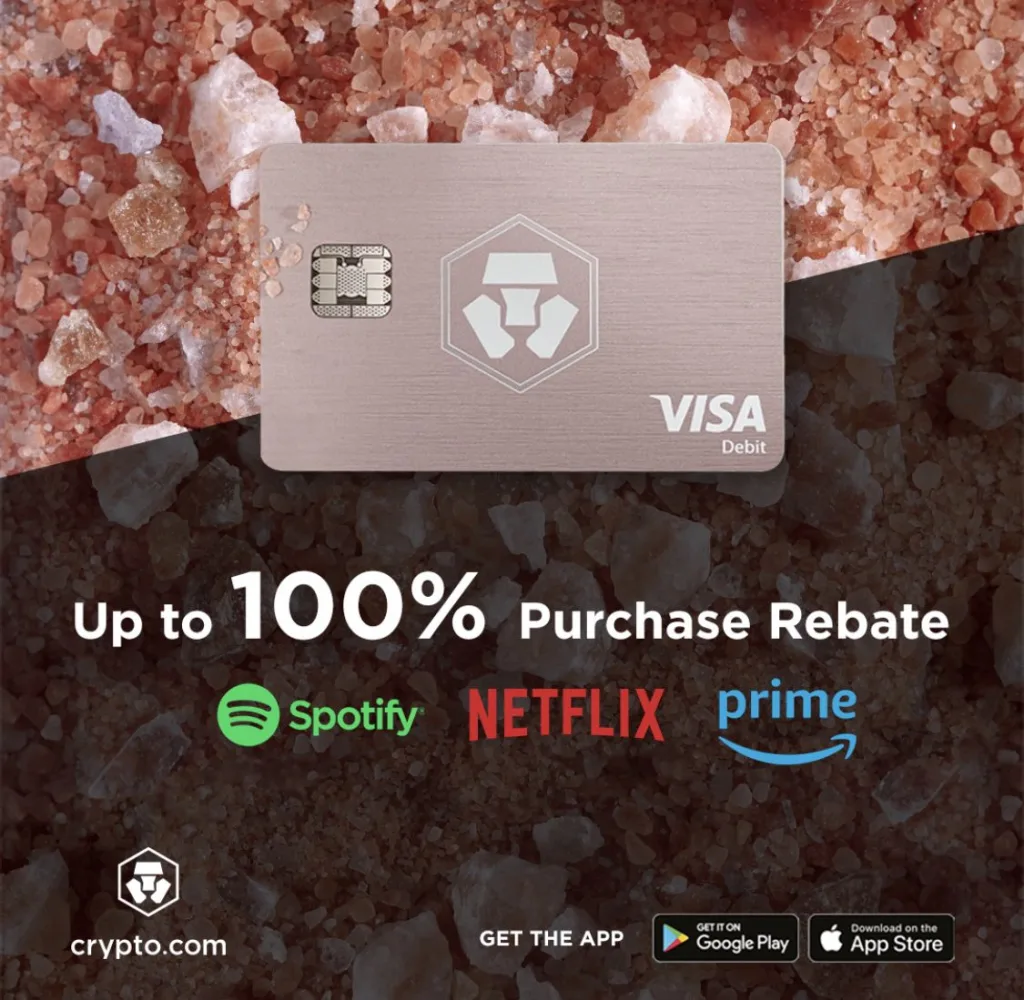
Beyond cashback, the card offers additional perks such as free subscriptions to streaming services and ride-sharing platforms, depending on the tier. However, the staking requirements can be a barrier for some users, as higher reward tiers require substantial capital commitment. For those who already hold significant CRO or other supported assets, the Crypto.com card provides one of the most lucrative spending environments available.
Kraken Krak Card
Kraken’s Krak Card stands out for its robust support of over 600 cryptocurrencies, making it the most versatile option for users with diverse portfolios. The card allows direct spending from the Kraken exchange account, converting crypto to fiat in real-time. This feature is particularly valuable for traders who hold a wide variety of altcoins and want to spend them without first moving funds to a separate wallet or exchange.
The Krak Card offers a flat 1% cashback on all purchases, regardless of the user’s tier or asset holdings. While this rate is lower than the top-tier rewards of some competitors, the consistency and lack of complex staking requirements make it a reliable choice for everyday spending. The card’s integration with Kraken’s advanced trading tools also appeals to users who want a unified platform for both trading and spending.
Bleap Self-Custodial Mastercard
Bleap offers a unique value proposition by combining a self-custodial wallet with a Mastercard debit card. This setup ensures that users retain full control of their private keys, addressing security concerns that often deter users from linking exchanges to debit cards. The card supports spending from multiple blockchains, including Ethereum, Polygon, and Arbitrum, allowing for low-cost transactions across different networks.
The Bleap card is designed for users who prioritize privacy and security. It offers 0% fees on transactions, which is a significant advantage for frequent spenders. While the range of supported assets is not as extensive as Kraken’s, the focus on self-custody and multi-chain support makes Bleap an attractive option for privacy-conscious users who want to spend crypto without compromising on security.
Comparison of Top Crypto Debit Cards
The table below summarizes the key features of the top crypto debit cards for 2026, focusing on fees, cashback potential, and supported assets. This side-by-side analysis helps identify the best card for your specific spending habits and asset holdings.
| Card | Cashback | Fees | Supported Assets |
|---|---|---|---|
| Coinbase Visa | Up to 4% (with subscription) | None | BTC, ETH, USDC, etc. |
| Crypto.com Visa | Up to 5% (with staking) | None | 60+ cryptocurrencies |
| Kraken Krak Card | 1% flat | None | 600+ cryptocurrencies |
| Bleap Mastercard | 0% (self-custody focus) | None | Multi-chain (ETH, MATIC, etc.) |
How instant crypto to fiat conversion works
When you use a crypto debit card at the point of sale, the transaction happens in milliseconds, but the backend involves a rapid two-step process. First, the merchant authorizes the purchase in your local fiat currency (USD, EUR, etc.). Second, the card provider immediately converts the required amount of cryptocurrency from your linked wallet into that fiat currency to settle the transaction. This conversion happens so quickly that you do not need to manually sell your coins beforehand.
The speed relies on the card issuer’s internal liquidity pools or partnerships with centralized exchanges. Instead of waiting for a blockchain confirmation, the provider uses pre-funded fiat reserves. They take your crypto, sell it at the current market rate, and instantly credit the fiat reserve to cover your purchase. This is why the transaction appears as a standard debit card swipe to the merchant, with no visible crypto involvement on their end.
While the experience feels identical to using a traditional bank card, the conversion rate applies at the exact second of the swipe. This means the value of your crypto can fluctuate slightly between the time you tap your card and when the final settlement occurs. Most major providers, such as Coinbase Card and Crypto.com, advertise real-time conversion rates to ensure transparency, though they may add a small spread or fee on the exchange rate itself.
Low fee crypto debit card options
Most crypto debit cards charge hidden costs that eat into your spending power. Network fees, ATM withdrawal charges, and currency conversion markups add up quickly. Choosing a card with a transparent, low-fee structure keeps more of your money in your pocket.
The Bleap card stands out for its zero-fee structure on standard transactions. As a self-custodial Mastercard, it avoids the typical interchange fees that other providers pass on to users. This model works best for daily spending where small percentages matter most.
Other options like the Crypto.com Visa and Coinbase Card offer competitive rates but often tier their fees based on loyalty status or locked token holdings. For users who want simplicity without complex requirements, Bleap provides the most straightforward path to low costs.


As an Amazon Associate, we may earn from qualifying purchases.
How Crypto Card Rewards Work
Crypto debit cards turn everyday spending into passive accumulation. Instead of letting fiat sit idle in a checking account, you load the card with crypto or stablecoins. When you swipe, the processor converts the assets in real time and credits your account with rewards, usually in the form of cashback or token bonuses.
The structure varies significantly by issuer. Some cards offer flat-rate rewards, such as 1% back on all purchases. Others use tiered systems where higher account balances unlock better rates. For example, holding a certain amount of the issuer’s native token might boost rewards from 1% to 2% or 3% on specific categories like dining or travel.
Maximizing returns requires matching your card to your spending habits. If you spend heavily on groceries, a card with a higher grocery multiplier makes sense. If your spending is broad, a flat-rate card with no annual fee is often the simplest choice. Always check if the rewards are paid in stablecoins or volatile tokens, as this affects their real-world value.
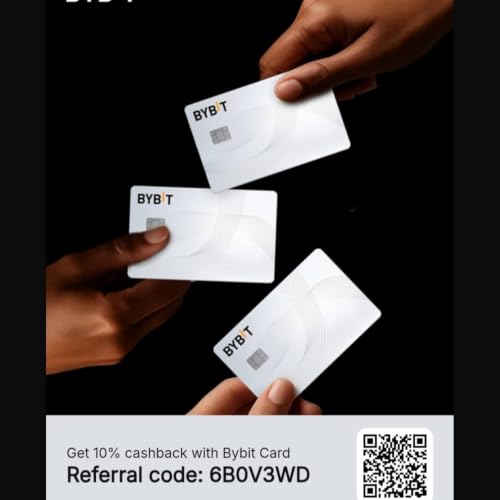
Top Picks for Cashback
The following cards are recognized for competitive reward structures and low fees.

As an Amazon Associate, we may earn from qualifying purchases.
Frequently asked questions about crypto cards
Are crypto debit cards legal?
Crypto debit cards are legal in most major jurisdictions, including the US and EU, provided the issuer complies with local financial regulations. In the United States, issuers must register as Money Services Businesses (MSBs) with FinCEN and obtain state money transmitter licenses. The cards themselves are typically Visa or Mastercard networks, which are fully regulated payment infrastructures. However, using a crypto card triggers standard banking compliance checks, such as KYC (Know Your Customer) identity verification.
Do I pay taxes when I spend crypto?
Yes. In the US and many other countries, spending crypto is a taxable event. When you use a crypto card, the transaction is treated as if you sold the cryptocurrency for fiat currency at that exact moment. If the value of your crypto has increased since you bought it, you owe capital gains tax on the difference. For example, spending $100 worth of Bitcoin that you bought for $50 requires you to report a $50 capital gain on your tax return. Keep detailed records of every transaction to calculate this accurately.
How secure are crypto debit cards?
Crypto debit cards offer standard security features like chip-and-PIN, contactless payments, and instant card freezing via mobile apps. Since the card is linked to a crypto wallet or exchange account, security depends heavily on the underlying platform. Look for cards that require two-factor authentication (2FA) for transactions and offer zero-liability policies for unauthorized charges. Always enable biometric authentication on your app and never share your PIN or recovery phrases. If you lose your physical card, you can instantly block it through the issuer’s dashboard, just like a traditional bank card.
No comments yet. Be the first to share your thoughts!