
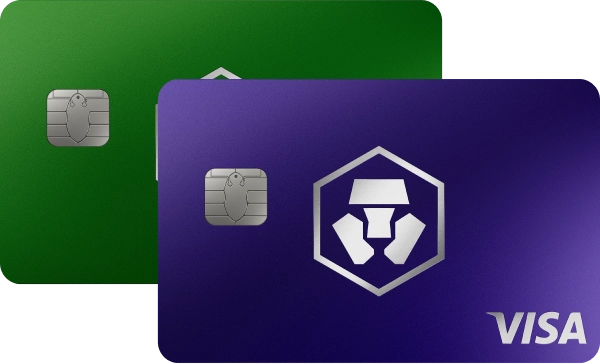
Top crypto card picks for 2026
Choosing the right crypto card depends on how you plan to use your digital assets. Some cards reward you with Bitcoin or Ethereum back on purchases, while others offer stablecoin cashback or exclusive access to trading features. CNBC and the Bitcoin Foundation highlight three main contenders for 2026, each serving a different type of user.
The Crypto.com Visa Card remains a popular choice for everyday spenders who want flexibility. It offers a tiered rewards structure based on how much CRO you stake, with cashback paid in CRO or USDC. The card is widely accepted and comes in several metal tiers, ranging from the entry-level Jade card to the premium Royal Indigo. It is a solid option if you want a traditional card experience with crypto benefits.
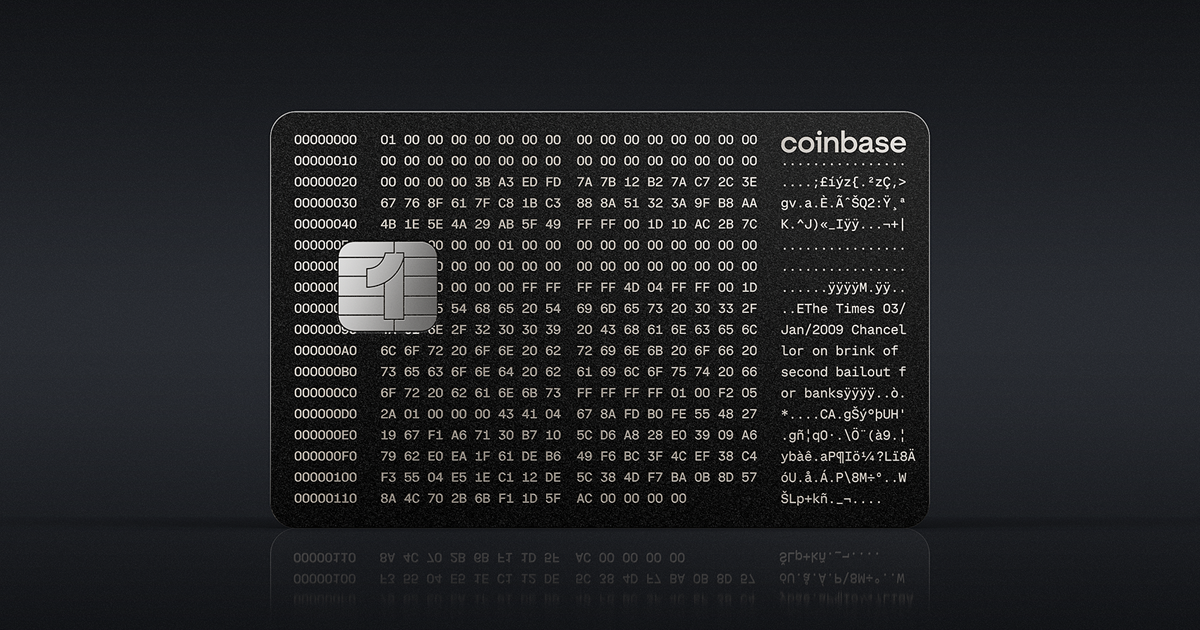
For heavy crypto users, the Coinbase One Card integrates directly with your Coinbase account. This card is ideal if you already hold a significant amount of Bitcoin or other cryptocurrencies on the platform. It allows you to earn rewards in crypto and spend your holdings seamlessly. The card is best suited for those who want to liquidate or use their crypto portfolio for daily transactions without leaving the Coinbase ecosystem.
The Gemini Credit Card is another strong contender, particularly for those who prefer a simpler rewards structure. It offers a flat rate of crypto back on all purchases, which can be easier to track than tiered systems. Gemini is known for its regulatory compliance and security, making it a trustworthy option for users who prioritize safety. It is a good fit for beginners or those who want a straightforward way to earn crypto on everyday spending.
Below are the top crypto cards for 2026, ranked by their suitability for different user needs.

As an Amazon Associate, we may earn from qualifying purchases.
Compare rewards rates and fees side by side
Choosing a crypto card often comes down to a simple trade-off: do you want higher rewards on everyday spending, or do you prefer to keep your annual costs low? The best crypto credit cards 2026 options generally fall into two camps. Some cards, like the Coinbase One Card, offer generous rewards for active users but come with steep annual fees. Others, like the Gemini Credit Card, focus on simplicity and lower costs for casual spenders.
To help you decide, we’ve broken down the key metrics for the top contenders. This comparison focuses on the structural differences that matter most: how much you earn back, what it costs to hold the card, and which cryptocurrencies you can actually use.
| Card | Cashback Rate | Annual Fee | Supported Crypto |
|---|---|---|---|
| Coinbase One Card | Up to 4% | $300 | BTC, ETH, SOL, and more |
| Gemini Credit Card | Up to 2% | $0 | BTC, ETH, LTC, DOGE |
| Nexo Card | Up to 1.5% | $0 (with collateral) | 50+ cryptocurrencies |
| Bybit Card | Up to 3% | $0 | BTC, ETH, USDT |
How crypto cards generate spending rewards
Crypto cards turn your digital assets into everyday purchasing power. When you buy coffee or pay for groceries, the card issuer converts your cryptocurrency into fiat currency in real time to complete the transaction. This process is nearly identical to using a traditional debit card, but with one major difference: the issuer rewards you with a percentage of your spend back in cryptocurrency rather than cash or points.
Most crypto cards operate on a debit model. You must hold the underlying asset in your wallet or exchange account to spend it. This contrasts with traditional credit cards, where you borrow money and pay interest if you carry a balance. Because you are spending your own funds, there is no debt accumulation. The reward structure is straightforward: you earn a fixed percentage, often between 1% and 3%, on every eligible purchase. Some platforms, like the Bybit Card, offer these rewards without requiring you to stake tokens, making the barrier to entry lower for casual users.
The value of these rewards fluctuates with the market. If Bitcoin rises in price, the 1% BTC reward you earned on a $100 purchase becomes more valuable in fiat terms. However, this also introduces volatility risk; if the asset drops, your cashback loses purchasing power.
Understanding this mechanism helps you choose the right card for your portfolio. If you hold volatile assets, the reward percentage matters less than the stability of the asset you are spending. Cards that allow you to choose your reward currency or convert rewards to stablecoins can mitigate the risk of holding volatile tokens.
Choosing a crypto card with no annual fee
A no-fee crypto card removes the baseline cost of ownership, allowing you to earn rewards without paying a subscription tax. For budget-conscious users, this structure ensures that the cashback or crypto yield generated on everyday purchases exceeds the zero cost of holding the card. It is the most straightforward way to integrate digital assets into a standard spending routine without financial friction.
The Crypto.com Visa Card remains a dominant choice in this category. It offers tiered cashback rewards that scale with the amount of CRO you stake, but even the lowest entry tiers provide a no-annual-fee option with basic rewards. This card is suitable for users who want a widely accepted Visa product with straightforward earning mechanics.
For those prioritizing simplicity and integration with major exchanges, the Coinbase Card provides a no-annual-fee alternative. It allows users to earn crypto rewards on purchases, often in the same currency spent. This card is ideal for users who already hold assets on Coinbase and prefer a direct, low-complexity link between their spending and their portfolio.
Tax rules and wallet tracking in 2026
ImportantUsing a crypto card like the Crypto.com Visa Card or Coinbase Card does not hide your spending from the IRS. In 2026, the IRS maintains full visibility into your financial history through centralized exchanges. If you linked your bank account to purchase crypto for your card, that transaction is reported on Form 1099-K or similar tax documents.
The IRS can connect your wallet to your identity because US-based exchanges are required to collect Know Your Customer (KYC) data. Blockchain analytics tools then trace transaction flows from those exchange-linked wallets to other addresses, creating a clear paper trail for every purchase and cashback reward earned.
Treat crypto card spending as a taxable event. When you spend crypto, it is considered a disposal of property, triggering capital gains or losses based on the asset's value at the time of the transaction. Cashback rewards are also taxable as ordinary income. Failure to report these events can lead to audits and penalties, making accurate wallet tracking essential for compliance.
Common questions about crypto spending cards
Crypto spending cards bridge the gap between digital assets and daily purchases, but they come with specific tax and operational rules that differ from traditional credit cards. Understanding these mechanics helps you maximize rewards while staying compliant.
Can I use a crypto card to buy anything?
Most major crypto cards, such as the Crypto.com Visa or Coinbase Card, function like standard debit or prepaid cards. You can use them anywhere Visa or Mastercard is accepted, including grocery stores, gas stations, and online retailers. The key difference is the settlement process: the card provider typically converts your crypto to fiat currency at the point of sale. This means you aren't spending the physical coin directly, but rather its dollar value. Always check if your specific card supports direct crypto payouts or if it settles in USD to avoid unexpected conversion fees.
Do I owe taxes when I spend crypto?
Yes. In the eyes of the IRS, spending cryptocurrency is a taxable event. When you use your crypto card to buy a coffee, you are technically selling that amount of crypto. If the value of the crypto has increased since you acquired it, you owe capital gains tax on that difference. This applies regardless of whether the transaction is a small purchase or a large one. Many users find this cumbersome for daily spending, which is why some prefer using stablecoins or holding crypto for long-term investment rather than daily transactions. Keep detailed records of every transaction to simplify tax filing.
Can the IRS track my crypto card transactions?
If you use a centralized card provider that requires identity verification (KYC), yes. Providers like Coinbase or Crypto.com operate as regulated financial entities in the US and are required to report certain activities to the IRS. They can link your wallet addresses to your legal identity. Additionally, blockchain analytics tools can trace the flow of funds from your exchange-linked wallet to other addresses. While the card provider doesn't track your every coffee purchase in real-time for law enforcement, the data exists and is accessible if legally requested. For maximum privacy, some users opt for non-KYC prepaid options, though these often come with higher fees and lower limits.
No comments yet. Be the first to share your thoughts!