
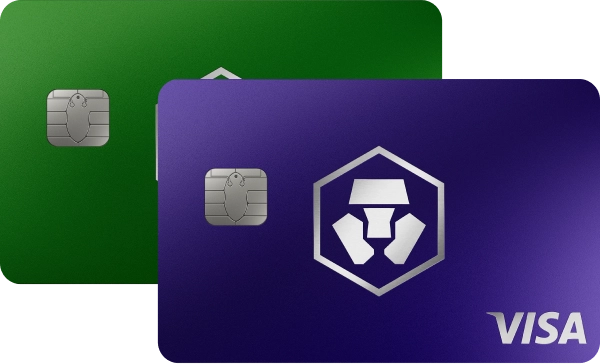
Crypto cards 2026 budget
Finding a crypto card that fits a tight budget means accepting that "free" usually comes with trade-offs. In 2026, the market has split into two distinct paths: cards with high annual fees that offer premium travel perks, and no-fee cards that charge higher conversion spreads or lower rewards rates. For most budget-conscious users, the no-fee option is the safer starting point because it eliminates fixed costs that eat into small balances.
The primary cost isn't the annual fee; it's the spread. Many budget-friendly crypto cards charge a 1% to 3% spread when converting crypto to fiat at the point of sale. If you spend $500 monthly, a 2% spread costs $12 a month, or $144 a year. Compare this to a standard rewards credit card that offers 1.5% cash back on all purchases with no foreign transaction fees. The math often favors traditional fintech or bank cards unless your crypto holdings are large enough to absorb the spread.
Age and location also dictate your budget options. Most crypto debit cards require you to be 18 or older and reside in supported jurisdictions like the US, UK, or EU. If you are a student or live in an unsupported region, your choices shrink significantly. In these cases, look for prepaid crypto cards that don't require a credit check, though they often come with monthly maintenance fees that can exceed $5.
When evaluating budget cards, ignore the headline rewards rate and look at the "break-even" point. If a card offers 3% rewards but has a $50 annual fee, you need to spend over $1,600 to break even compared to a 1% no-fee card. For most 2026 users, a simple, no-fee card with low spreads offers the best balance of accessibility and cost.


As an Amazon Associate, we may earn from qualifying purchases.
Shortlist real options
Choosing the best crypto card 2026 depends on whether spending control, borrowing access, travel benefits, or crypto rewards matter most. The market has split into clear categories: cards that let you borrow against holdings without selling, debit cards that convert crypto to fiat instantly, and premium cards offering travel perks. We compare the strongest options below based on verified fees, rewards structures, and global usability.
| Card | Best For | Rewards Rate | Global Acceptance |
|---|---|---|---|
| Nexo Card | Borrowing against crypto | Up to 10% in NEXO | Visa/Mastercard network |
| Coinbase Card | Everyday spending | Up to 4% in rewards | Visa network |
| Zeal Card | High cashback | Up to 4% cashback | Mastercard network |
| Jupiter Global | International travel | Varies by tier | Visa/Mastercard network |
The Nexo Card remains a top choice for those who want liquidity without triggering taxable events. By borrowing against your crypto collateral, you keep your assets invested while accessing cash. This dual-functionality is unique among standard debit options. However, you must manage your collateral ratio to avoid liquidation if prices drop sharply.
For everyday shoppers, the Coinbase Card offers simplicity. It converts your crypto to fiat at the point of sale, supporting major cryptocurrencies like Bitcoin and Ethereum. Rewards are paid in the coin you hold, which can compound if you choose to stake them. It lacks the travel insurance features of premium cards but excels in ease of use.
Zeal and Jupiter Global cater to users seeking higher returns or international flexibility. Zeal’s 4% cashback on specific categories appeals to heavy spenders, while Jupiter Global focuses on borderless transactions with lower foreign exchange fees. Both require careful monitoring of their reward terms, which can change with market conditions.
Inspect the expensive parts
Use this section to make the Best Crypto Cards for decision easier to compare in real life, not just on paper. Start with the reader's actual constraint, then separate must-have requirements from details that are merely nice to have. A practical choice should survive normal use, maintenance, timing, and budget. If a recommendation only works in an ideal situation, call that out plainly and give the reader a fallback path.
-
Verify the basicsConfirm the core specs, condition, and fit before comparing extras.
-
Price the downsideLook for the repair, maintenance, or replacement cost that would change the decision.
-
Compare alternativesCheck at least two comparable options before treating one listing as the benchmark.
Plan for ownership costs
A crypto card with a $0 annual fee can still cost you money if you don't read the fine print. The sticker price is just the entry ticket; the real expense comes from hidden fees that trigger during normal spending. Before you commit to a card, look past the welcome bonus and examine the monthly maintenance structure.
Many cards charge a monthly subscription for premium features like higher cashback rates or travel insurance. Others offer a free tier with steep penalties: higher FX fees when you buy coffee in Paris or a monthly inactivity fee if you forget to swipe. If you only use the card once a month, a "free" card might actually be more expensive than a paid one with lower per-transaction costs.
Think of ownership costs like a gym membership. You pay to access the equipment, but if you only go once a year, you are paying for unused capacity. Evaluate your average monthly spend and travel frequency. If you rarely travel internationally, a card with high foreign transaction fees is a bad deal, regardless of how low the annual fee is.


As an Amazon Associate, we may earn from qualifying purchases.
Some providers also charge for card replacement or expedited shipping. While these seem minor, they add up. Check if the issuer offers a digital card instantly via an app—this can save you $10–$20 in rush fees if you lose your physical card. Always calculate the total cost of ownership based on your specific habits, not the card's marketing headline.
Crypto cards 2026: what to check next
Before committing to a specific provider, it helps to separate the hype from the mechanics. The best crypto card depends entirely on your spending habits and tax jurisdiction. Below are the practical answers to the most common questions readers ask before signing up.
No comments yet. Be the first to share your thoughts!