

Claiming your governance token rewards on DeFi platforms in 2025 is faster, more interactive, and more lucrative than ever. Whether you’re an airdrop hunter, a protocol power user, or a crypto rewards card enthusiast, understanding the new claiming landscape is essential for maximizing your on-chain yield and governance influence. The latest wave of DeFi projects are layering gamified quests and NFT badges on top of traditional reward systems, but the core mechanics of eligibility, wallet connection, and transaction confirmation remain non-negotiable. Let’s break down what it takes to claim your share in this high-frequency environment.
Eligibility: The First Gate to Governance Token Rewards
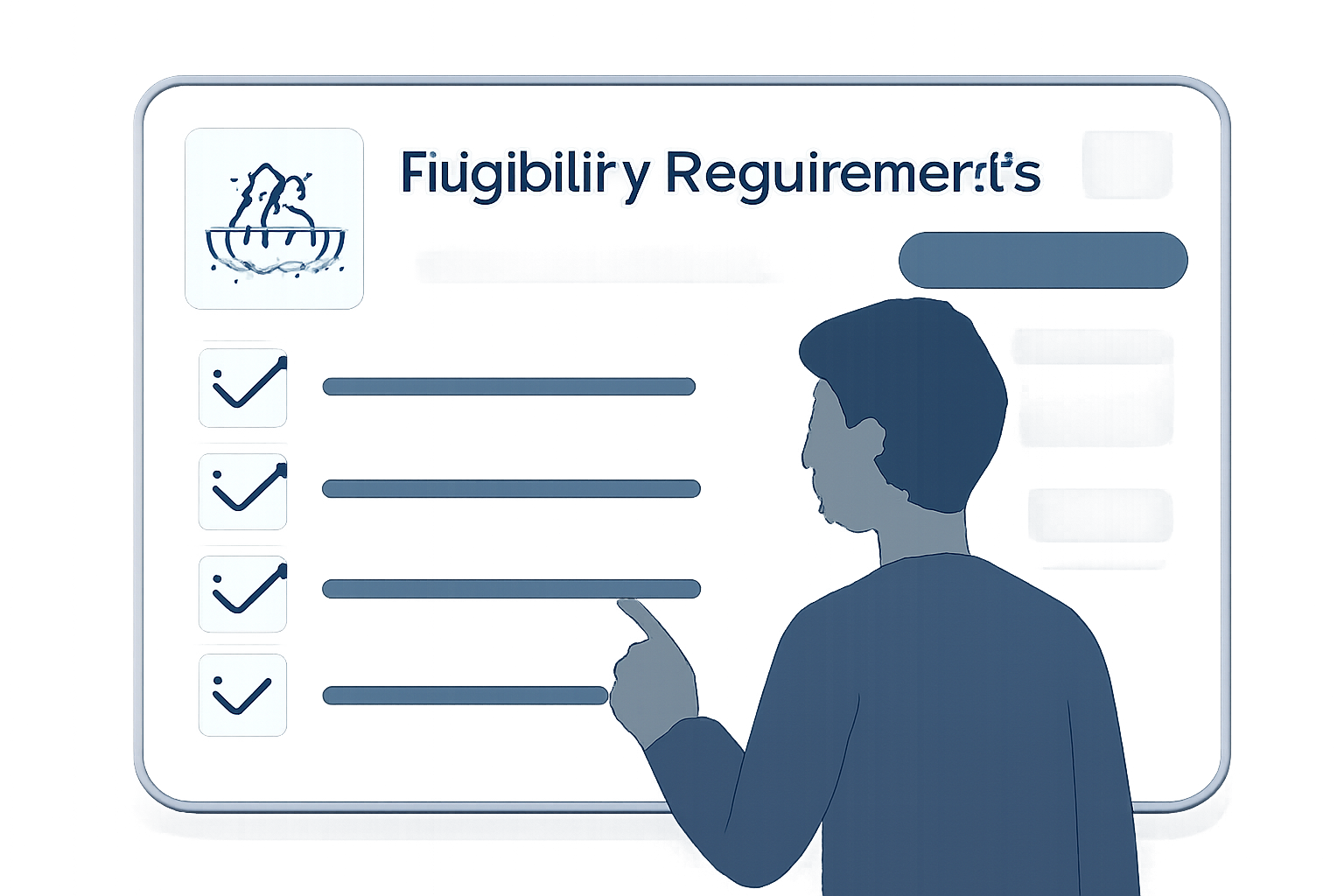
Before you can even think about clicking ‘Claim, ’ you need to verify that you meet the platform’s reward criteria. In 2025, DeFi governance token eligibility is more nuanced than ever. Many protocols require users to participate in testnets, complete community challenges, or hold specific NFTs as proof of engagement. For example, the $PROVE airdrop demanded both early testnet activity and consistent community participation, a trend that’s only accelerating as protocols seek to reward true contributors over passive holders.
This means you should always review each platform’s eligibility checklist before the claim window opens. Missing out often comes down to overlooking a single requirement or not connecting your wallet during a snapshot period. Stay proactive by subscribing to official protocol channels or using automated alert tools.
Connecting Your Wallet: Security Is Non-Negotiable
The next step is connecting your wallet, typically MetaMask, Trust Wallet, or any EVM-compatible option, to the official claim portal. This is where most scams happen: phishing sites mimicking legitimate claim pages can drain your assets in seconds. Always double-check URLs through verified sources and never interact with unsolicited DMs or emails about claims.
Once connected, reputable platforms will display your eligible rewards and prompt you through the claiming process. You’ll need enough ETH (or relevant gas token) in your wallet to cover transaction fees, no gas means no claim. It’s also wise to use hardware wallets for larger claims to mitigate risk from browser exploits.
Step-by-Step Guide: Claiming Your On-Chain Rewards Efficiently
Claiming DeFi Governance Token Rewards: Secure Step-by-Step Guide (2025)

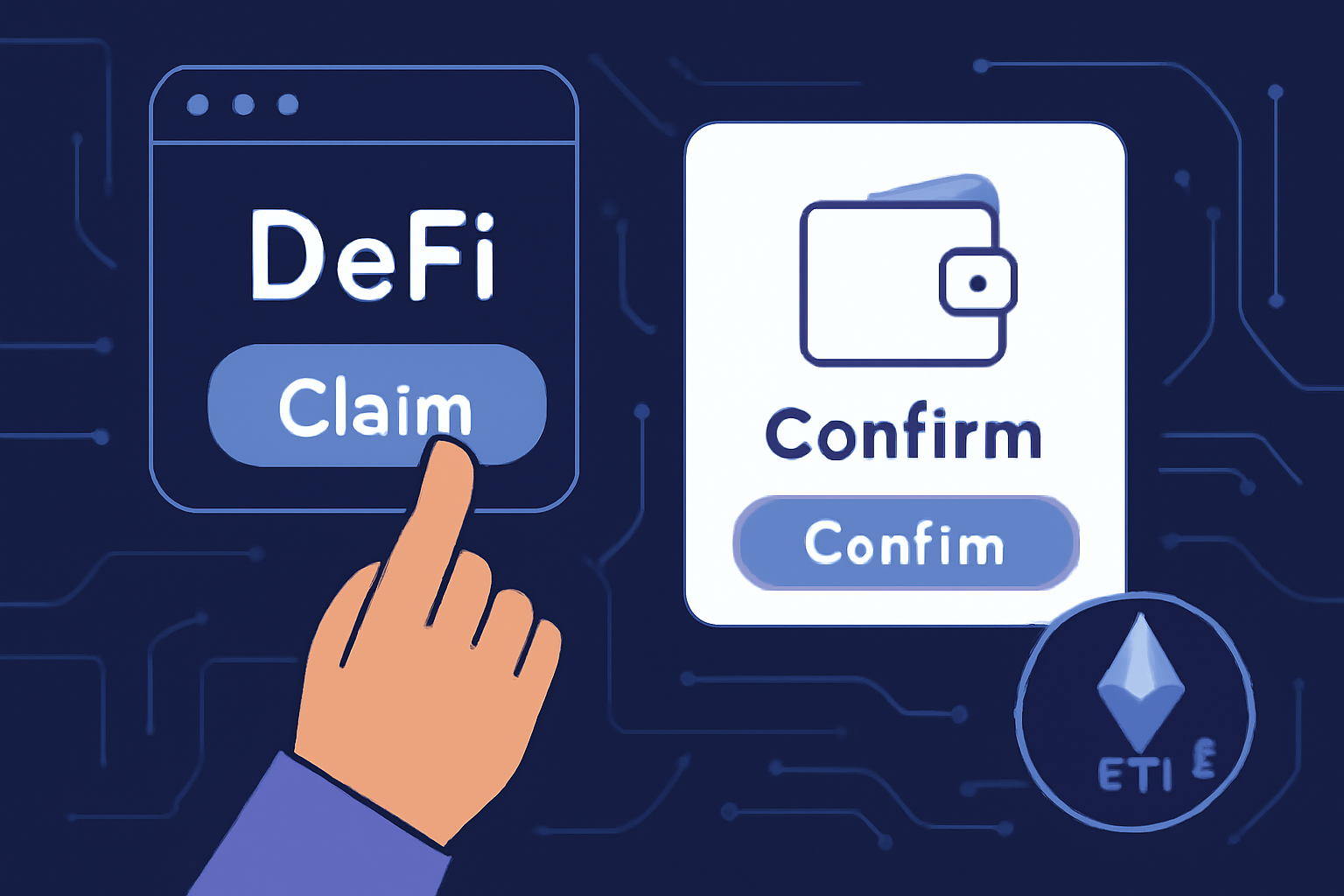
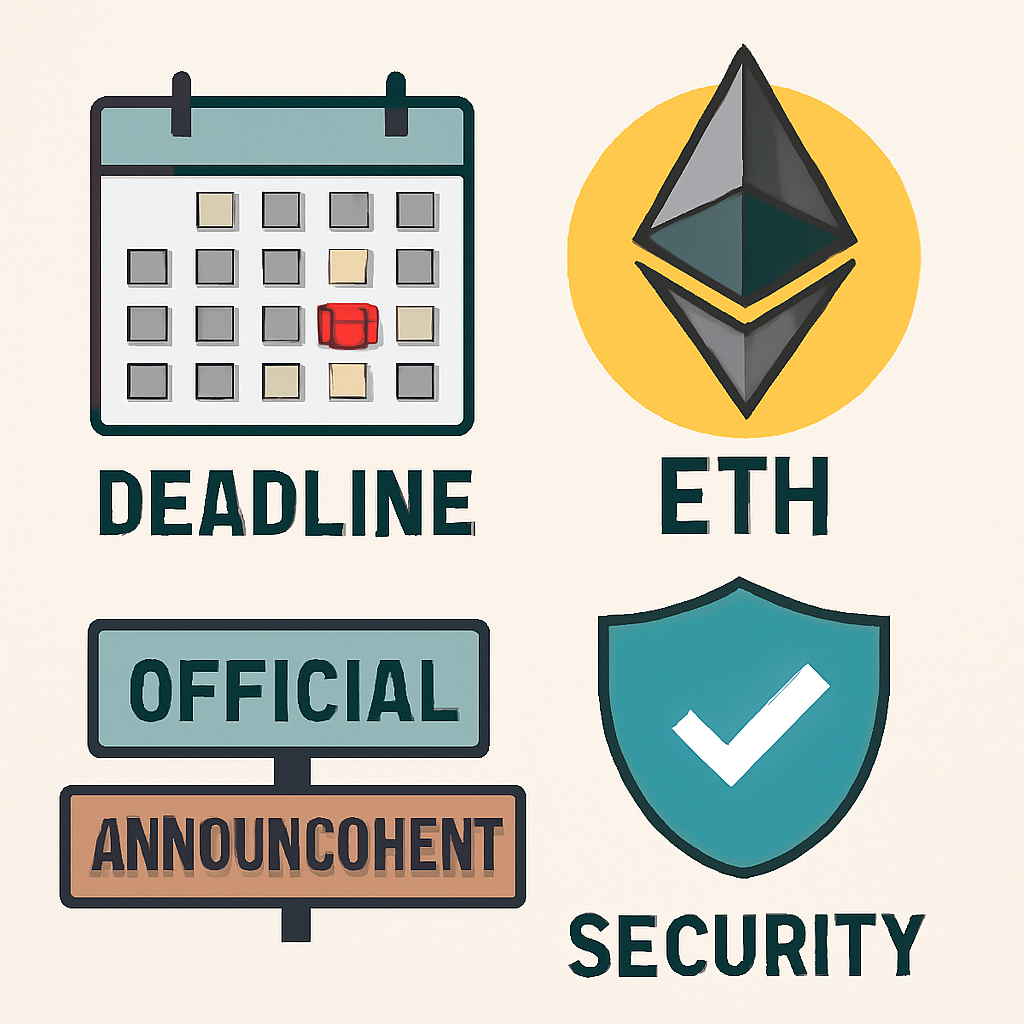
The actual claim flow is usually straightforward:
- Visit the official claim portal. Only use links from trusted sources, never Google search blindly.
- Connect your wallet. Confirm that the interface shows your correct address and expected reward amount.
- Initiate the claim transaction. Review all details carefully before signing; malicious contracts can sneak in extra permissions if you’re not vigilant.
- Pay gas fees. Ensure sufficient ETH (or other chain-native tokens) for smooth processing, low gas can cause failed transactions or lost windows.
- Confirm receipt of tokens. Double-check that claimed tokens appear in your wallet; some may require manual import using contract addresses posted by the protocol team.
If you want advanced strategies on maximizing these rewards, including staking them for compounding yield or leveraging them for deeper protocol participation, check out our guide on optimizing on-chain governance token rewards.
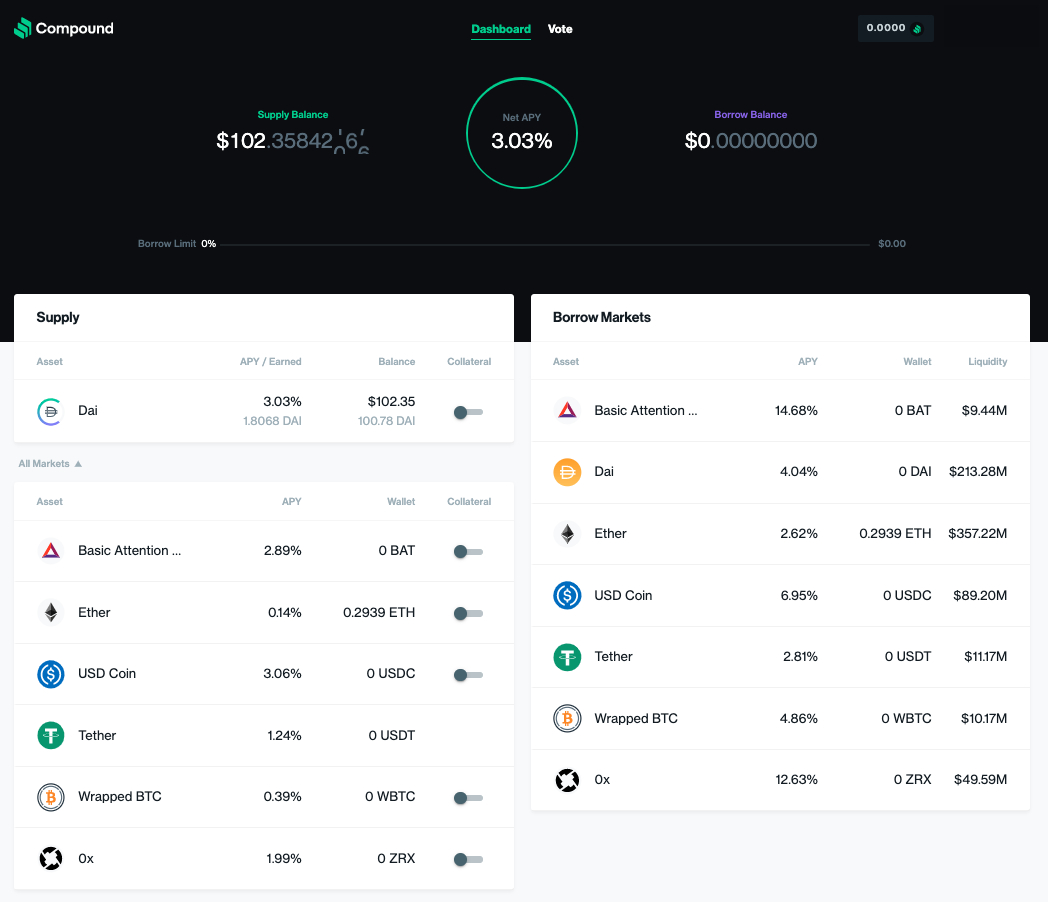
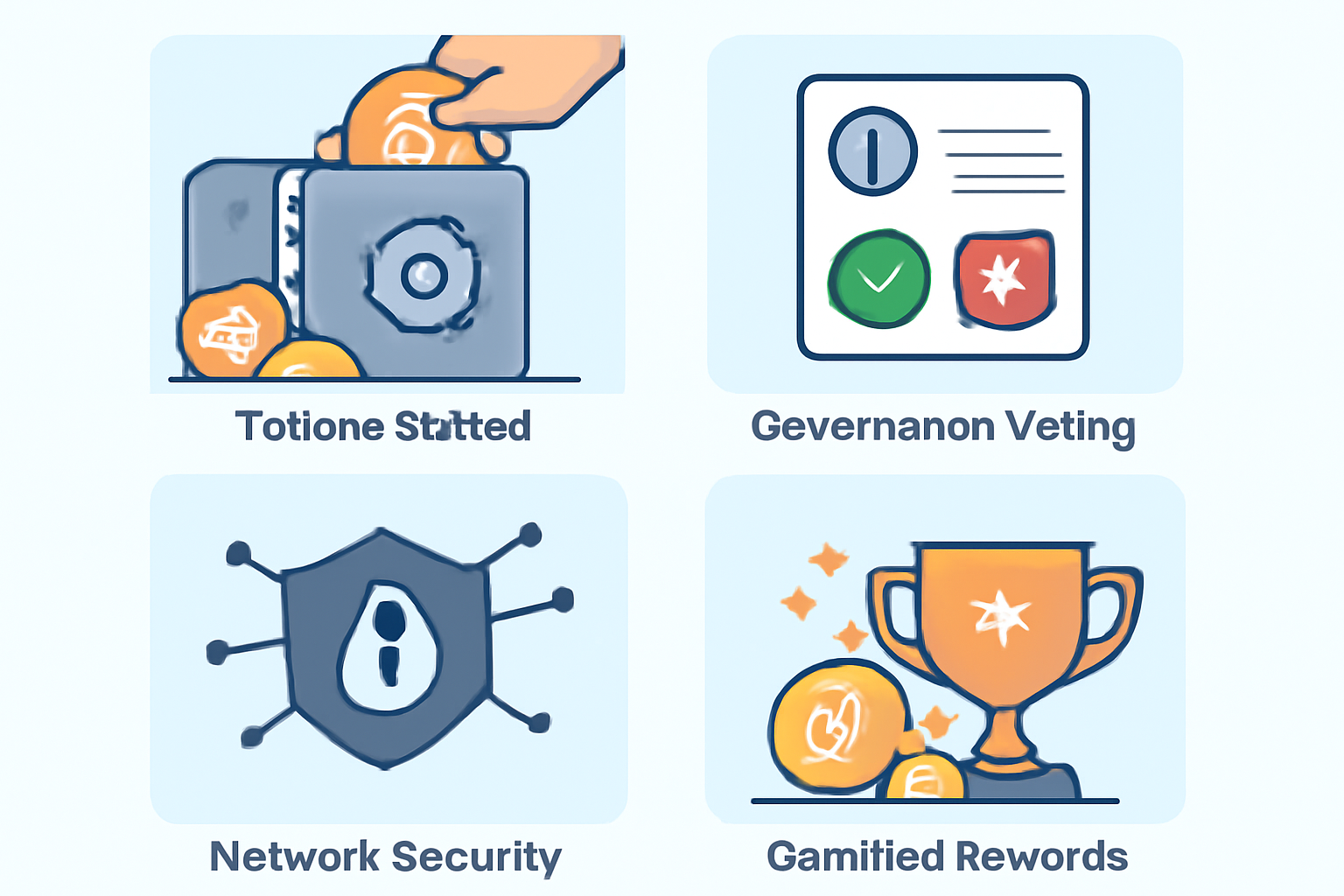
Once your governance tokens hit your wallet, the real game begins. In 2025, protocols are aggressively incentivizing holders to stake, delegate, or lock their rewards for extra yield and voting power. Staking dashboards have become more sophisticated, providing live APY projections, unclaimed reward counters, and even bonus NFT drops for early stakers. Don’t let your tokens idle: staking not only compounds your returns but also amplifies your voice in protocol governance votes.
After the Claim: Staking, Voting and Taxes
Staking is now directly tied to governance, most projects require staked tokens for eligibility in major protocol votes or community treasury allocations. The more you stake, the greater your influence and share of ongoing rewards. But with these benefits come new responsibilities: claimed rewards are immediately taxable in many jurisdictions. As of 2025, US-based users must report the fair market value at the time of claim as ordinary income. Selling or swapping these tokens later triggers capital gains calculations.
Keep meticulous records of each claim event, transaction hashes, timestamps, and token values, to streamline tax reporting and avoid compliance headaches down the line. Some platforms now offer built-in CSV exports or direct API integrations with crypto tax software to automate this process.
Gamification and Community Rewards: NFTs and Beyond
The landscape is evolving beyond simple token drops. Many DeFi protocols gamify engagement by issuing NFT badges alongside governance tokens, these can unlock bonus multipliers or exclusive access to protocol features. For example, completing a sequence of on-chain quests might net you an NFT that boosts future airdrop allocations or provides fee rebates when staking.
This blend of on-chain rewards claiming and gamification is designed to foster deeper user loyalty and more active participation in protocol upgrades and votes. If you’re optimizing for long-term impact (not just quick flips), look for platforms where community involvement translates into tangible multipliers on future rewards.
Best Practices for Maximizing Your Rewards
- Bookmark official claim portals. Never trust links from social media DMs or unofficial forums.
- Maintain a diversified wallet strategy. Use separate wallets for claiming versus holding/staking large balances.
- Monitor claim windows closely. Set calendar reminders; expired claims are non-recoverable.
- Join protocol Discords or Telegrams. Live updates often drop here first, including emergency changes to claim mechanics or deadlines.
- Leverage compounding opportunities. Stake claimed governance tokens as soon as possible to maximize yield cycles.
If you’re new to leveraging crypto rewards cards for earning governance tokens directly through spending activity (and not just DeFi participation), check out our beginner’s guide to earning governance tokens with crypto rewards cards.
The bottom line: speed and security win in the current DeFi environment. Stay vigilant against phishing attempts, document every claim meticulously for taxes, and always look beyond the initial drop, staking, voting rights, NFTs, and compounding yields all play into maximizing your total reward stack. For those who move fast but stay smart, the next wave of governance token rewards claim opportunities in 2025 will be some of the most lucrative yet.

No comments yet. Be the first to share your thoughts!