
Top crypto card picks for 2026
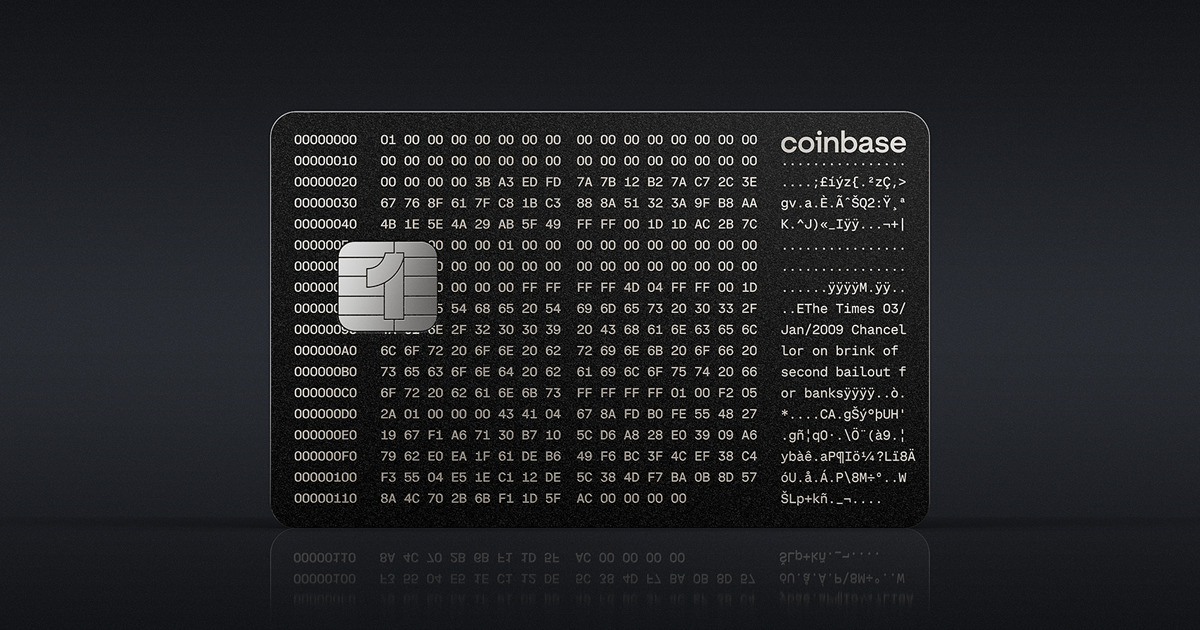
Choosing the right crypto card depends on how you spend. The Gemini Credit Card® works best for everyday purchases, offering straightforward rewards without complex tiers. The Coinbase One Card suits heavy crypto users who want to spend directly from their holdings.
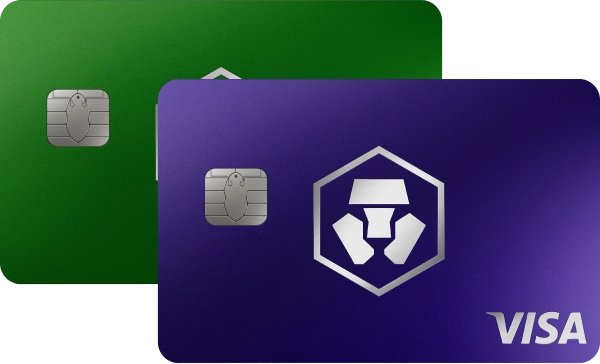
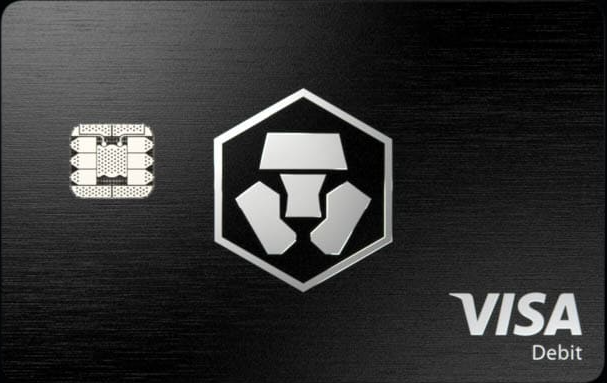
For those seeking tangible rewards on daily spending, the Crypto.com Visa Card remains a strong contender. Its tiered structure allows users to earn up to 5% back on eligible transactions, making it a practical choice for regular transactions.
AmazonProductGrid
How crypto cards earn rewards
When you swipe a crypto card at a coffee shop or online store, the transaction usually settles in fiat currency. The card issuer then converts your crypto holdings into that fiat to pay the merchant. The "cashback" you receive is a rebate on that purchase, but instead of dollars, the issuer credits your account with cryptocurrency. This mechanism turns everyday spending into a way to accumulate digital assets without actively trading.
The rewards structure often mirrors traditional credit cards but with variable rates depending on your tier or the specific asset used for payment. For instance, the Crypto.com Visa Card offers high reward rates for users who stake the platform’s native tokens, while Oppi Wallet provides a simpler, beginner-friendly model with flat-rate rewards on virtual transactions. These products illustrate how different issuers balance complexity and yield to attract users.
It is important to distinguish between the reward rate and the actual value of the reward. A 2% return in Bitcoin is mathematically identical to 2% in USDT, but the dollar value of those rewards will fluctuate based on market volatility. If the crypto asset you are earning drops in price, your effective cashback percentage in fiat terms decreases. Conversely, if the asset rallies, your rewards are worth more than the stated percentage.
Understanding this mechanic helps you choose a card that aligns with your risk tolerance. If you prefer stability, look for cards that pay rewards in stablecoins like USDC. If you are bullish on a specific ecosystem, a card that rewards you in that native token can act as a passive accumulation tool, though it exposes you to that asset’s price swings.
Fee structures and hidden costs
The headline appeal of a crypto card often hides a complex fee schedule. Annual fees, foreign transaction charges, and conversion spreads can quietly erode your rewards before you notice. Understanding these costs helps you calculate the true cost of ownership and ensures you aren't paying more in fees than you earn in cashback.
Annual fees and minimum balances
Many premium crypto cards charge an annual fee, but some waive it if you meet specific criteria. For example, the Crypto.com Visa Card offers tiered benefits where higher-tier cards with annual fees provide greater rewards, while lower tiers may be free or require a minimum crypto staking balance to unlock fee waivers. Always check if the card requires locking up assets to avoid annual charges.
Foreign transaction and conversion fees
If you travel or shop internationally, foreign transaction fees can add 1-3% to every purchase. Some crypto cards eliminate these fees entirely, making them valuable for global spending. However, be aware of dynamic currency conversion (DCC) fees charged by merchants or payment processors when you choose to pay in your home currency instead of the local one. Opting to pay in the local currency usually avoids these hidden spreads.
Comparison of top picks
The table below compares the fee structures of the top three crypto card picks to help you choose the most cost-effective option for your spending habits.
| Card | Annual Fee | Foreign Transaction Fee | Min. Balance / Staking |
|---|---|---|---|
| Crypto.com Visa | $0–$150 | 0% (varies by tier) | Varies by tier |
| Oppi Wallet Virtual | $0 | 1% | None |
| Binance Card | $0 | 0% | None |
Calculating your true cost
To determine if a card is worth it, subtract the total annual and transaction fees from your projected annual rewards. If the fees exceed the rewards, the card is likely not suitable for your usage. Prioritize cards with no annual fees and low or zero foreign transaction fees if you spend frequently or travel often.
Physical versus virtual card options
Choosing between a physical and a virtual crypto card depends on where you spend most of your money. The physical card is the standard tool for in-person transactions, while the virtual card offers enhanced security for online shopping.
A physical card, like the Crypto.com Visa Card, functions exactly like a traditional debit card. You tap or insert it at grocery stores, gas stations, and restaurants. This form factor is essential for daily life, ensuring you can access your crypto-backed spending power anywhere that accepts Visa or Mastercard. The tangible card also serves as a backup if your phone battery dies or digital wallets fail.
Virtual cards generate unique, disposable card numbers for online purchases. This feature is particularly useful for preventing fraud on unfamiliar websites or subscribing to services. If a merchant’s database is breached, the compromised virtual number can be discarded without exposing your primary account details. Many platforms allow you to set spending limits or expiration dates for each virtual number, giving you granular control over your digital footprint.
For most users, the ideal setup includes both. Use the physical card for everyday, in-person expenses to maximize rewards and convenience. Reserve virtual cards for one-time online purchases, free trials, or high-risk e-commerce sites to keep your primary data secure.
Frequently asked questions about crypto cards
Crypto cards bridge traditional banking and digital assets, but they come with specific rules regarding legality, taxation, and asset support. Understanding these mechanics helps you avoid unexpected fees and tax surprises.
Are crypto cards legal in the US?
Yes. Crypto cards are legal in the United States and are issued by regulated financial institutions. Major providers like Coinbase and Gemini partner with licensed banks (such as Sutton Bank or Community Federal Savings Bank) to issue Visa and Mastercard products. Because the underlying banking infrastructure is regulated, your spending power is backed by traditional rails, while the crypto rewards are handled through compliant digital asset exchanges.
Do I owe taxes on crypto card rewards?
Yes. The IRS treats cryptocurrency rewards, cashback, and sign-up bonuses as ordinary income. You must report the fair market value of the crypto at the moment it is credited to your account. For example, if you earn 0.001 BTC worth $60 as a reward, you report $60 as income. If you later sell that BTC for $70, you may owe capital gains tax on the $10 profit. Keep detailed records of these transactions to simplify tax filing.
Which cryptocurrencies can I earn rewards on?
Most crypto cards allow you to choose your reward currency from a limited menu. The Gemini Credit Card®, for instance, lets you select Bitcoin (BTC), Ethereum (ETH), or Gemini Dollar (GUSD). Coinbase One Card typically offers rewards in BTC or ETH. While some platforms support altcoins like XRP or Kaspa, the most common and stable options remain Bitcoin and Ethereum. Always check the issuer’s specific supported list, as asset availability can change based on regulatory shifts.
Can I spend crypto directly without converting it first?
Generally, no. Most crypto cards work by converting your crypto into fiat currency (USD) in real-time at the point of sale. When you swipe your card, the issuer sells the necessary amount of crypto from your wallet to cover the transaction. This means you are exposed to the exchange rate and potential trading fees at the moment of purchase. Some premium cards offer "spend from crypto" features that minimize conversion friction, but the underlying mechanism remains a crypto-to-fiat swap.
Helpful gear
Use these product recommendations as a starting point, then choose the size, material, and price point that fit how you actually use the gear.


As an Amazon Associate, we may earn from qualifying purchases.
No comments yet. Be the first to share your thoughts!