
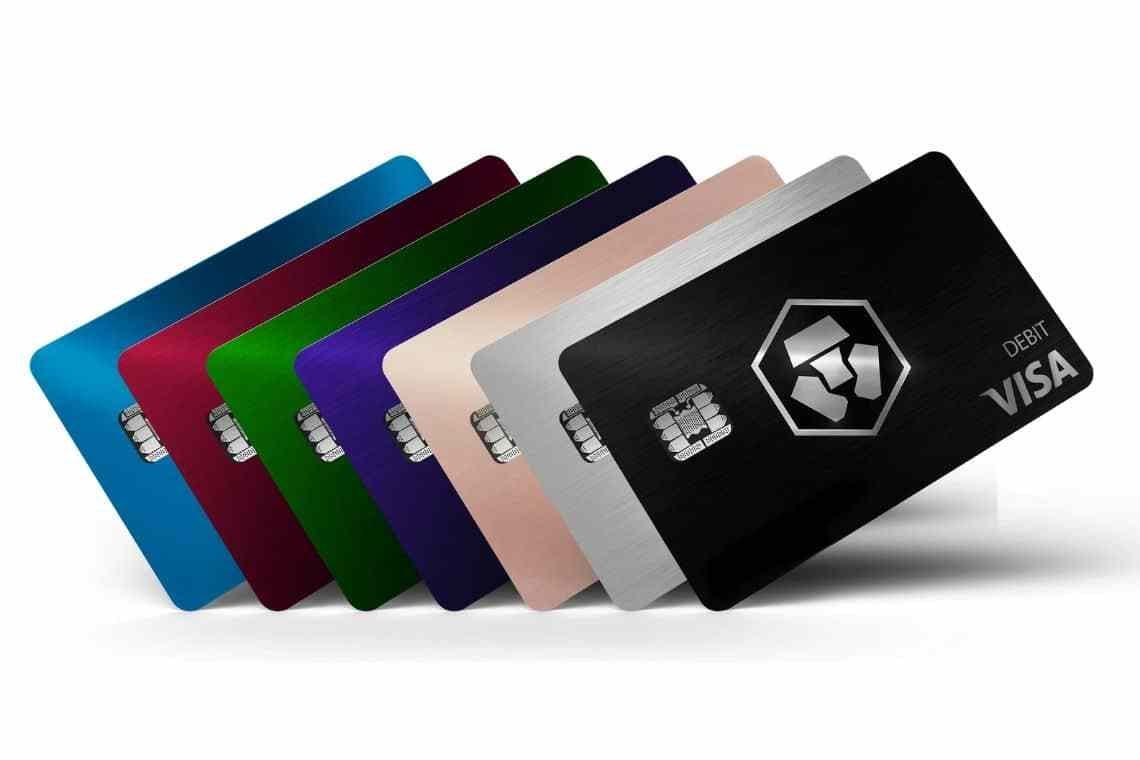
How we picked the best crypto cards
We evaluated crypto debit cards based on four concrete metrics: fee structures, reward rates, security compliance, and daily usability. Our goal was to identify cards that minimize friction for everyday spending while maximizing tangible returns on crypto holdings.
We prioritized cards with transparent fee structures and strong regulatory compliance in the US and EU markets. This means we looked for providers like Coinbase, Crypto.com, and Kast that clearly disclose ATM withdrawal fees, foreign transaction costs, and inactivity charges. We avoided cards with hidden fees or opaque tier systems that only benefit high-volume traders.
Rewards were calculated based on real cashback after fees. For example, a card offering 1% cashback is less valuable than one offering 0.5% if the latter has zero monthly fees and no ATM charges. We focused on practical usability: how easily the card integrates with Apple Pay, Google Pay, and major merchants.
Security was non-negotiable. We selected cards that offer instant card freezing, biometric authentication, and FDIC or equivalent insurance for fiat balances. These features protect your funds whether you are shopping online or withdrawing cash abroad.
![UNBREAKcable Privacy Screen Protector for iPhone 15, Anti-Spy Shatterproof Tempered Glass [True 28°Anti Spy] [9H Hardness] [Easy Installation Frame] Black Protector for iPhone 6.1" - 2 Pack](https://m.media-amazon.com/images/I/61sd3x6tBmL._AC_UY654_QL65_.jpg)
As an Amazon Associate, we may earn from qualifying purchases.
Top crypto debit cards ranked by fees and rewards
Choosing the right card depends on whether you prioritize cashback, low transaction costs, or asset stability. The market has shifted toward tiered rewards and fee waivers, but the best card for you often depends on your specific spending habits and crypto holdings.
Coinbase card offers the best overall rewards
Coinbase remains a top choice for users who want to earn rewards directly in the cryptocurrencies they already hold. The card allows you to select which crypto you want to receive as rewards, whether that is Bitcoin, Ethereum, or other supported assets. This flexibility turns everyday spending into a passive accumulation strategy without requiring you to sell your holdings at a loss.
The card integrates seamlessly with the Coinbase app, making it easy to track rewards and manage your balance. While it may not offer the highest flat percentage cashback compared to some competitors, the ability to compound rewards in volatile assets can lead to higher long-term value for active users.
Crypto.com provides high-tier cashback for heavy users
For those willing to lock up significant amounts of cryptocurrency in the platform's native token, the Crypto.com Visa card offers some of the most aggressive cashback rates in the industry. Users who stake larger amounts of CRO can access higher tiers that offer up to 5% cashback on all purchases, paid out in CRO.
The card also comes with various perks depending on the tier, including free Spotify and Netflix subscriptions, airport lounge access, and higher withdrawal limits. This makes it an excellent option for frequent travelers or users who want to maximize the utility of their staked assets beyond just spending.
Kast ensures stability with USD-pegged rewards
Kast stands out by offering rewards in USD-pegged stablecoins rather than volatile cryptocurrencies. This approach provides a predictable return on spending, which is ideal for users who want the benefits of crypto rewards without the risk of market fluctuations affecting their cashback value.
The card is designed for users who value financial stability and straightforward accounting. By locking in rewards in a stable asset, users can avoid the need to constantly monitor the market to decide when to convert their rewards, making it a low-stress option for consistent spenders.
| Card | Reward Type | Key Fee Structure |
|---|---|---|
| Coinbase | Crypto Rewards | No monthly fee |
| Crypto.com | CRO Cashback | Varies by tier |
| Kast | USD-pegged Stablecoins | No monthly fee |


As an Amazon Associate, we may earn from qualifying purchases.
Understanding fees and hidden costs
When you spend crypto with a debit card, the transaction rarely costs exactly what the exchange rate suggests. The true expense comes from a combination of foreign exchange (FX) fees, ATM withdrawal charges, and inactivity penalties. These costs accumulate quickly, especially if you use the card for daily expenses or travel.
Foreign exchange fees are the most common hidden cost. Many crypto cards charge 1% to 2.5% on every international transaction. For example, Coinbase Card charges a 1.49% FX fee for non-USD transactions. In contrast, traditional travel cards often offer zero FX fees. If you frequently shop abroad or travel, this difference adds up significantly over time.
ATM withdrawal fees also vary widely. Crypto.com cards may charge a small fee for the first few ATM withdrawals each month, then switch to a flat rate. Other providers like Kast might offer free ATM withdrawals up to a certain limit, then charge a percentage. Always check the monthly free withdrawal allowance before relying on your card for cash needs.
Inactivity fees are another trap. Some cards charge a monthly fee if you don’t use the card for 90 days. This is designed to encourage usage, but it punutes passive holders. Always read the terms to see if your card has an inactivity clause, and keep a small transaction every quarter to avoid it.


As an Amazon Associate, we may earn from qualifying purchases.
custodial vs non-custodial spending options
Choosing a crypto debit card starts with a fundamental security decision: do you want the platform to hold your assets, or do you want to keep control in your own wallet? This distinction defines how your funds move from storage to the point of sale.
Custodial cards, such as those issued by Coinbase and Crypto.com, function similarly to traditional banking. The exchange holds your cryptocurrency in their managed wallets. When you spend, they convert the assets internally and settle with the merchant. This model offers convenience and often higher rewards tiers, but it requires you to trust the platform’s security infrastructure to protect your holdings.
Non-custodial options, like Kast, operate differently by connecting directly to your self-custody wallet. These cards do not store your funds on a central server. Instead, they use smart contracts or secure signing mechanisms to authorize transactions from your personal wallet in real time. This approach minimizes counterparty risk, ensuring that even if the card issuer faces issues, your assets remain secure in your own control.
For users prioritizing security over ease of use, non-custodial spending provides a robust layer of protection. However, it often requires a more technical setup. If you prefer a streamlined experience where the platform handles the complexity, a custodial card remains a practical choice.


As an Amazon Associate, we may earn from qualifying purchases.
Where to buy crypto debit cards on Amazon
While the physical cards themselves are issued directly by providers like Coinbase or Crypto.com, you can streamline your setup by purchasing compatible accessories on Amazon. These items help protect your card and keep your crypto ecosystem organized.



As an Amazon Associate, we may earn from qualifying purchases.
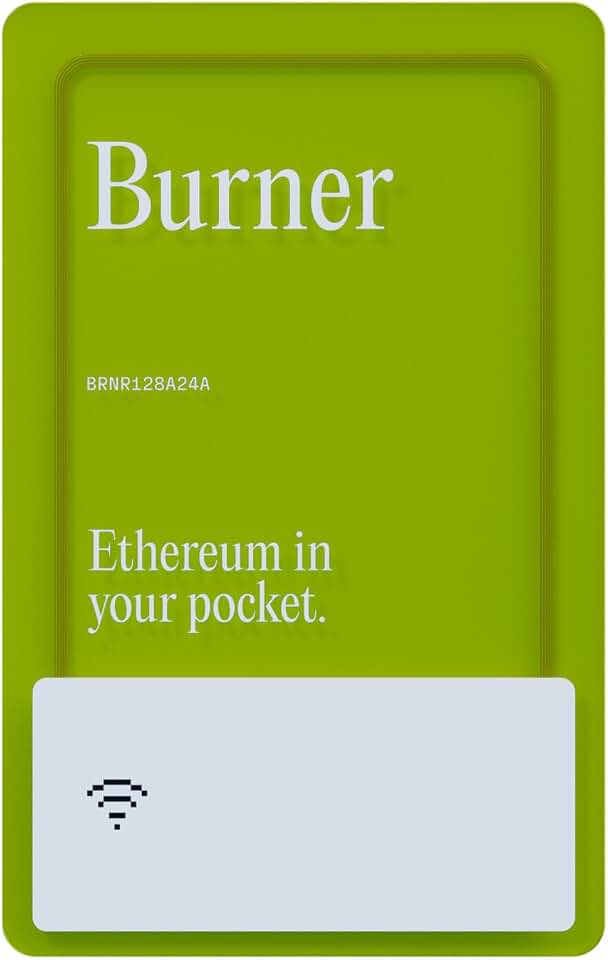
Using an RFID-blocking sleeve or wallet adds a layer of security against digital theft when you are out and about. For those who manage multiple assets, a dedicated hardware wallet like the Ledger Nano X provides cold storage security, keeping your long-term holdings separate from your daily spending card.
Frequently asked questions about crypto cards
Do I owe taxes when I spend crypto with a debit card?
Yes. Spending cryptocurrency is a taxable event in the eyes of the IRS. When you use a card like Coinbase or Crypto.com to buy coffee, the system treats it as selling that crypto at current market value. If the asset has appreciated since you bought it, you owe capital gains tax on the profit. You must track the cost basis of every transaction to report this correctly.
Are crypto debit cards secure?
These cards are generally as secure as traditional banking products, provided you use two-factor authentication. Major providers like Coinbase offer instant freeze options if you misplace your card. For larger holdings, keep your primary crypto in a cold wallet rather than on the exchange. This limits your exposure if the platform itself is compromised.
Which crypto debit card has the lowest fees?
Fee structures vary by provider. Coinbase offers a straightforward model with no monthly fees for basic accounts, though ATM withdrawals may incur charges. Crypto.com offers higher cashback rewards but requires staking their native token for lower transaction fees. Compare the specific annual fees and ATM limits for each card before signing up.
What is the best cold wallet for crypto in 2026?
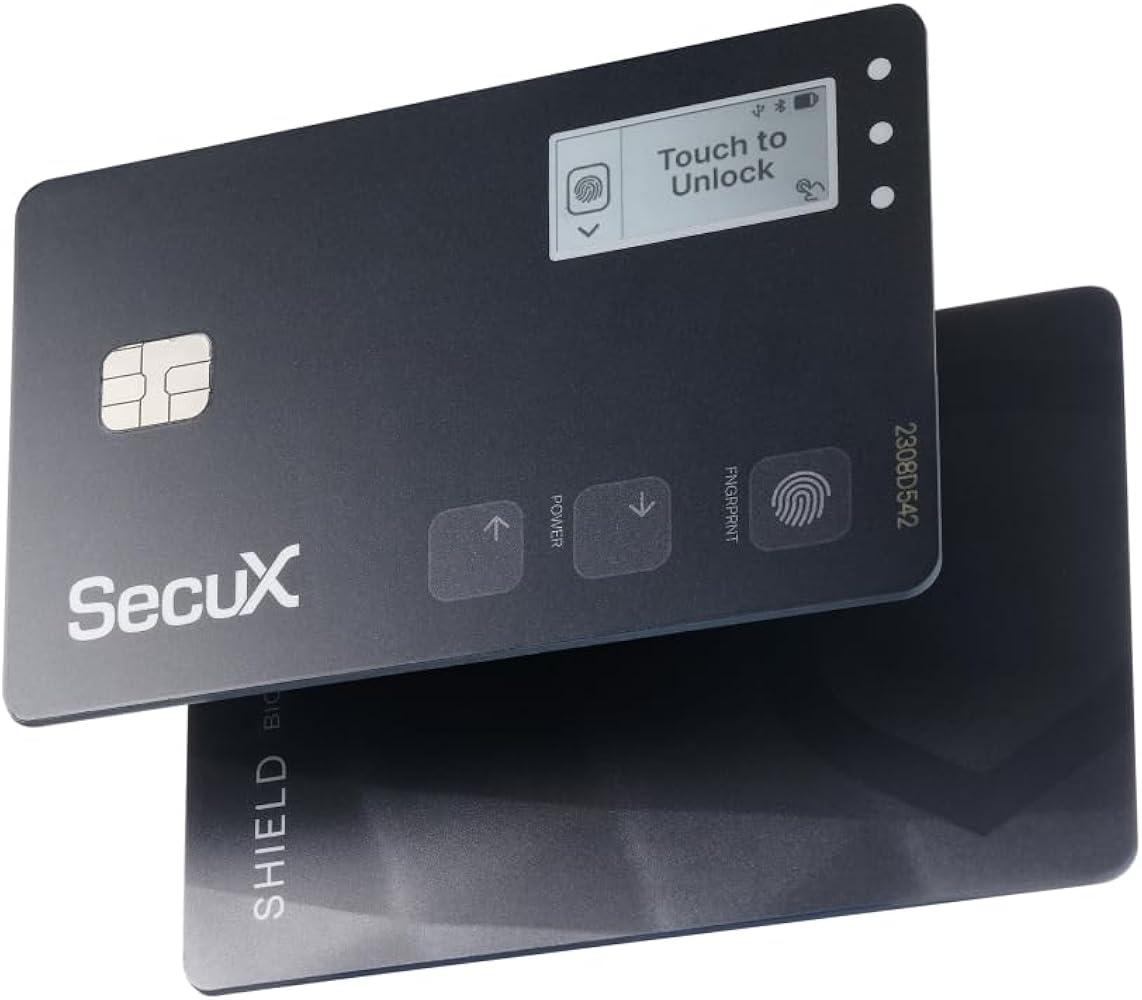
Keeping funds off-exchange is the best security practice. Hardware wallets provide offline storage that is immune to online hacks. Look for devices with strong security audits and user-friendly interfaces. Below are some highly rated hardware wallets often paired with crypto debit cards for secure storage.


As an Amazon Associate, we may earn from qualifying purchases.
No comments yet. Be the first to share your thoughts!