
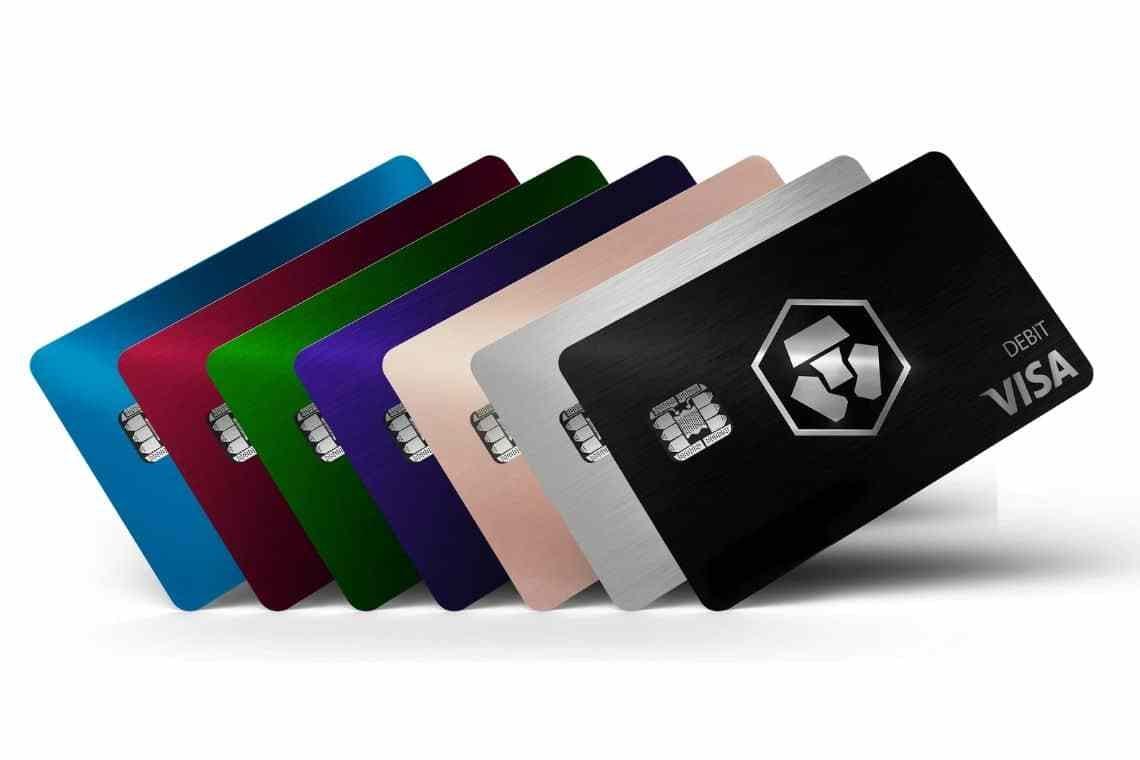
Crypto debit cards 2026 budget
Finding the right crypto debit card in 2026 means balancing three competing demands: low fees, meaningful rewards, and reliable spending limits. The "best" card shifts depending on whether you prioritize cash back on groceries or zero fees on international travel. Most mainstream options still charge monthly maintenance fees, but many waive them if you keep a minimum daily balance or hold a specific amount of crypto in their native wallet.
Age and residency remain the primary gatekeepers. In the United States, you must be 18 or older and a resident to apply. International users face stricter KYC (Know Your Customer) requirements, often needing a local bank account or proof of address that matches their ID. Cards issued by non-US entities may not support USD spending without significant foreign transaction fees, so check the issuing jurisdiction carefully before signing up.
Condition checks are equally important. Look for cards that offer instant virtual numbers for online shopping, as physical cards can take weeks to arrive. Avoid cards that lock your funds in illiquid assets to earn rewards; the best budget cards let you spend freely while earning cash back on eligible purchases. Prioritize providers with transparent fee schedules published on their official sites, as hidden ATM withdrawal fees can quickly erode your crypto gains.


As an Amazon Associate, we may earn from qualifying purchases.
Shortlist real options
Choosing the best crypto debit card in 2026 means balancing three competing priorities: low fees, high rewards, and asset support. The market has shifted from novelty to utility, with providers now focusing on seamless fiat conversion and global acceptance. Below, we compare the strongest contenders across key metrics.
We have selected these options based on official provider data and independent audits. Each card serves a different spending profile, from everyday coffee runs to large international transfers.
| Card | Cashback/Rewards | Monthly Fee | Supported Assets | Best For |
|---|---|---|---|---|
| Coinbase Card | Up to 4% in Crypto | None | BTC, ETH, SOL, etc. | Coinbase power users |
| Crypto.com Visa | Up to 5% MCO Pay | Free to $49.99 | 150+ coins | High-volume spenders |
| Bybit Card | Up to 8% Cashback | Major pairs only | Bybit ecosystem users | |
| Wirex Card | Up to 5% | Free to $9.99 | Multi-currency | International travelers |
The Coinbase Card remains the default choice for users already holding assets on the platform. Its reward structure pays out in crypto, which can be compounding for long-term holders. However, the tax implications of earning rewards must be tracked carefully.
Crypto.com offers the most robust rewards tier for those willing to lock up capital. The MCO token stake requirement can be significant, but the 5% cashback on major purchases often outweighs the opportunity cost for active spenders. Note that the free tier offers minimal benefits.
For travelers, Wirex’s multi-currency support is a standout feature. It allows direct conversion between fiat and crypto at competitive rates, reducing the foreign transaction fees that plague traditional banks. This makes it a practical tool for frequent international movers.


As an Amazon Associate, we may earn from qualifying purchases.
Security remains the primary concern for any crypto debit card user. While the cards themselves are regulated, the underlying assets must be protected. We recommend using a hardware wallet for long-term holdings and only keeping spendable amounts on the linked exchange or card provider.
Inspect the expensive parts
Use this section to make the Best Crypto Debit Cards for decision easier to compare in real life, not just on paper. Start with the reader's actual constraint, then separate must-have requirements from details that are merely nice to have. A practical choice should survive normal use, maintenance, timing, and budget. If a recommendation only works in an ideal situation, call that out plainly and give the reader a fallback path.
-
Verify the basicsConfirm the core specs, condition, and fit before comparing extras.
-
Price the downsideLook for the repair, maintenance, or replacement cost that would change the decision.
-
Compare alternativesCheck at least two comparable options before treating one listing as the benchmark.
Ownership costs: when a cheap card stops being cheap
The monthly fee is only the tip of the iceberg. Crypto debit cards often hide costs in currency conversion spreads, ATM withdrawal fees, and inactivity penalties. A card with no monthly fee might charge 2.5% on every international transaction, turning a $50 coffee into a $52.50 expense. Always check the fine print for the spread rate applied to non-USD transactions.
Maintenance surprises can also eat into your balance. Some providers charge dormancy fees if you don't use the card for 3-6 months. Others deduct small amounts for replacing lost cards or accessing cash at non-network ATMs. Factor these potential charges into your total cost of ownership before committing.
If you spend crypto daily, a higher-fee card with better rewards might actually save you money. But for occasional use, a low-fee card with no hidden spreads is usually the smarter choice. Compare the total cost per transaction, not just the headline fee.


As an Amazon Associate, we may earn from qualifying purchases.
Crypto debit cards 2026: what to check next
Are crypto debit cards safe to use? Yes, if you treat them like any other prepaid card. Most providers use cold storage for the bulk of your funds, meaning only a small "hot wallet" amount is accessible for daily spending. You still need standard security habits: enable two-factor authentication (2FA) and set up spending limits. If your card is lost or stolen, the provider freezes the hot wallet instantly, but you cannot reverse transactions like you might with a traditional bank chargeback.
What fees should I expect in 2026? Expect a mix of monthly maintenance fees, ATM withdrawal charges, and foreign transaction fees. Many cards waive the monthly fee if you lock up a certain amount of crypto or hold a specific token tier. Always check the ATM fee structure; some providers charge a flat $2–$5 per withdrawal plus a percentage, which can eat into small purchases quickly.
Do I have to pay taxes when I spend crypto? In most jurisdictions, yes. Spending crypto is a taxable event. When you buy coffee with your crypto debit card, the system sells your crypto at that moment’s price. If the value has gone up since you bought it, that gain is subject to capital gains tax. You must track these transactions carefully for your tax return.
Can I use these cards internationally? Most major crypto debit cards are Visa or Mastercard networks, so they work anywhere those brands are accepted globally. However, watch out for foreign transaction fees, which can range from 0% to 3%. If you travel often, choose a card that explicitly waives these fees to avoid paying double on currency conversion.
No comments yet. Be the first to share your thoughts!