
Finding a budget crypto debit card in 2026
Choosing a crypto debit card for a tight budget means accepting tradeoffs between annual fees, reload limits, and reward rates. Unlike traditional bank accounts, most crypto cards operate on prepaid models, meaning you spend what you load. This structure protects your main holdings but introduces friction during volatility.
The primary cost to watch is the monthly maintenance fee. Many no-fee cards compensate by charging higher FX fees or lower cashback rates on crypto spend. If you travel or shop internationally, a card with zero foreign transaction fees often pays for itself faster than a high-yield card with a monthly subscription.
Age and residency requirements also filter the market. Most US-issued crypto debit cards require you to be 18 or older and a US resident. International users often face stricter KYC (Know Your Customer) checks or limited card availability. Always verify the issuer’s terms before applying to avoid rejected applications.
For those prioritizing low-cost everyday spending, consider cards with no annual fee and simple reward structures. Avoid complex tiered systems that require minimum spending thresholds you cannot consistently meet. The best budget card is one you can use without worrying about hidden fees eroding your rewards.
Shortlist real options
Finding the right crypto debit card in 2026 means balancing conversion fees, cashback rates, and supported cryptocurrencies. The market has shifted from niche offerings to mainstream financial products that integrate directly with major exchanges. Below, we compare the strongest contenders based on real-world usability and cost structures.
Coinbase Card
The Coinbase Card remains a top choice for users already within the Coinbase ecosystem. It offers up to 4% cashback in Coinbase One and supports spending from BTC, ETH, and stablecoins. The primary advantage is seamless integration; funds are converted to fiat at the point of sale, avoiding manual withdrawal steps. However, non-One users face a standard 1% conversion fee, which can add up for frequent spenders. It is widely accepted due to its Visa partnership.
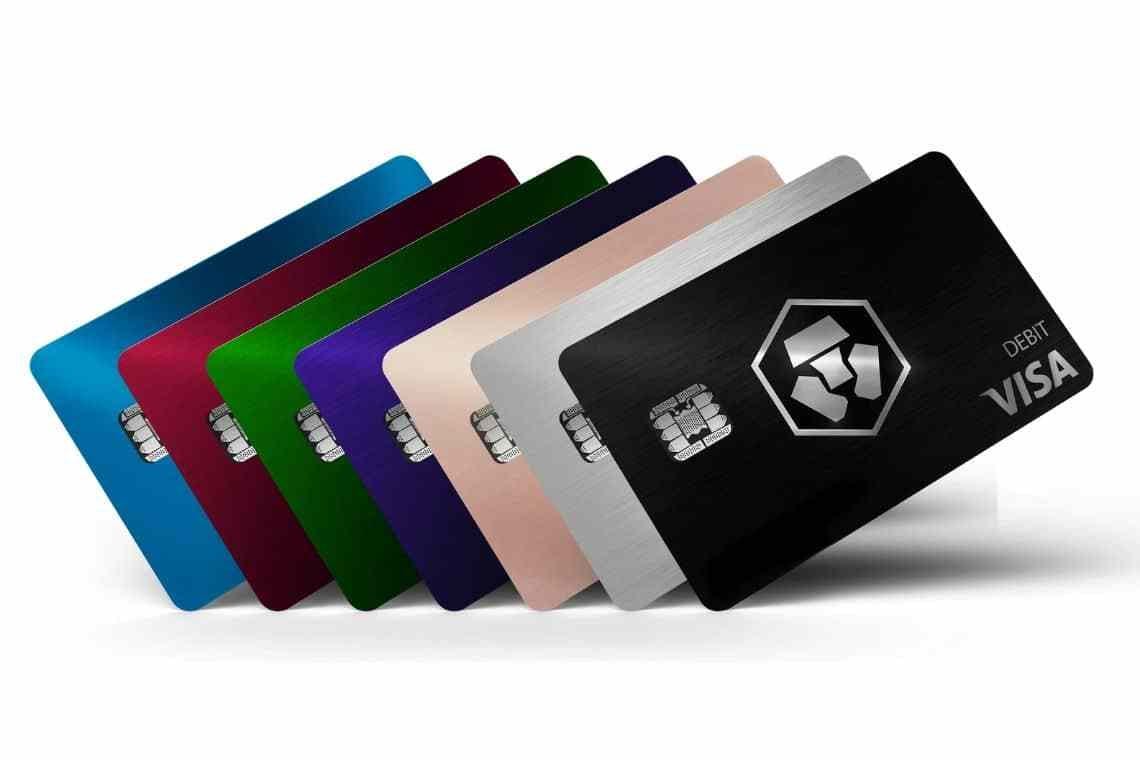
Crypto.com Card
Crypto.com provides a tiered reward structure based on how much CRO you stake. Higher tiers offer significant cashback and ATM fee waivers, making it attractive for high-volume users. The card supports spending from a wide variety of altcoins, not just Bitcoin and Ethereum. The trade-off is the lock-up requirement; staking CRO for 3, 6, or 12 months reduces liquidity. It is best suited for those willing to commit capital to maximize rewards.
Bitpanda Card
Bitpanda stands out for European users, offering a Mastercard linked to their extensive crypto portfolio. It allows spending from over 140 cryptocurrencies with no monthly fees. The conversion rate is competitive, and the card supports instant crypto-to-fiat conversion. For users outside Europe, availability is limited. It is a strong option for those prioritizing asset diversity over maximum cashback percentages.
Nexo Card
The Nexo Card is unique because it allows you to spend against your crypto collateral without selling it. This means you can access liquidity without triggering a taxable event, provided you maintain sufficient collateral value. It offers up to 5% cashback in NEXO tokens. The key consideration is the interest rate on the loan portion; if your collateral value drops, you may face liquidation risks. It is ideal for long-term holders who need cash flow.
| Provider | Max Cashback | Conversion Fee | Primary Region |
|---|---|---|---|
| Coinbase | 4% | 1% | Global |
| Crypto.com | 5% | 2% | Global |
| Bitpanda | 0% | 0.5% | Europe |
| Nexo | 5% | 0% | Global |
Kast
Kast is a newer entrant focusing on simplicity and low fees. It offers a straightforward cashback model without complex staking requirements. The card is designed for users who want a direct link between their crypto holdings and daily spending. While it lacks the extensive reward tiers of competitors, its transparency appeals to users who prefer predictable costs. Availability is still expanding, so check local support. When choosing a card, consider your primary use case. If you hold Bitcoin long-term, the Nexo Card’s tax-efficient liquidity is unmatched. For active traders in the Coinbase ecosystem, the Card’s integration saves time. European users with diverse portfolios may prefer Bitpanda’s multi-asset support. Always compare the effective conversion fee against the cashback rate to determine the true net benefit.
Inspect the expensive parts
Use this section to make the Best Crypto Debit Cards of decision easier to compare in real life, not just on paper. Start with the reader's actual constraint, then separate must-have requirements from details that are merely nice to have. A practical choice should survive normal use, maintenance, timing, and budget. If a recommendation only works in an ideal situation, call that out plainly and give the reader a fallback path.
-
Verify the basicsConfirm the core specs, condition, and fit before comparing extras.
-
Price the downsideLook for the repair, maintenance, or replacement cost that would change the decision.
-
Compare alternativesCheck at least two comparable options before treating one listing as the benchmark.
Ownership costs: when a cheap card stops being cheap
A crypto debit card’s headline fee is rarely the only cost. The real expense shows up in hidden spreads, withdrawal limits, and inactivity penalties that add up over time. A card with zero monthly fees can still cost you more than a premium card with a small annual fee if the exchange rate spread is wide or cash withdrawals are capped.
Start by checking the foreign transaction fee. Many cards charge 1-3% on international purchases, which erodes rewards quickly. Next, look at the ATM withdrawal fee structure. Some providers offer free withdrawals up to a certain amount per month, then charge a flat fee plus a percentage. If you travel often, this can become a significant expense.
Don’t overlook the spread—the difference between the market exchange rate and the rate your card uses. A 1-2% spread on every purchase adds up fast. Compare this to the annual fee. A card with a $50 annual fee but a 0% spread might be cheaper than a "free" card with a 2% spread if you spend over $2,500 monthly.
Also consider inactivity fees. Some providers charge a monthly fee if you don’t use the card for 3-6 months. If you’re using the card for occasional large purchases rather than daily spending, this fee can negate any rewards. Always read the fine print for these clauses.

![The Crypto Millionaire Bible: [5 in 1] How to Easily Make Life-Changing Money in The Next Big 2025-2026 Bull Run with Smart Investing and Trading Any Cryptocurrency (Altcoins, Meme, NFT, Airdrops)](https://m.media-amazon.com/images/I/61K1jz+cWtL._AC_UY654_QL65_.jpg)

As an Amazon Associate, we may earn from qualifying purchases.
Crypto debit cards 2026: what to check next
Before committing to a new payment method, it helps to separate marketing hype from actual utility. The landscape for crypto debit cards shifts with regulatory changes and fee structures, so understanding the mechanics behind spending and taxation is essential.
Who has the best crypto debit card?
There is no single winner, as the best choice depends on your spending habits. For everyday users, cards like the Coinbase Card or Crypto.com Visa offer straightforward cashback on ordinary purchases. If you hold a diverse portfolio, platforms like Nexo or Bitpanda provide multi-asset support. Compare the fee structures for ATM withdrawals and currency conversion to find the card that minimizes friction for your specific routine.
What crypto is going to explode in 2026?
Predicting market movements is impossible, and financial advisors generally warn against relying on speculative assets for daily spending. While Bitcoin and Ethereum remain the most liquid options for debit cards, volatile altcoins can lose value between the moment you convert them and the moment the merchant settles the transaction. It is safer to treat crypto debit cards as a spending tool for stable or long-held assets rather than a vehicle for short-term trading gains.
Can the IRS see your crypto wallet?
Yes. The IRS treats cryptocurrency as property, meaning every transaction is a taxable event. Most major crypto debit card providers report user activity to tax authorities, similar to traditional banks. When you spend crypto, the system calculates the capital gain or loss based on the coin’s value at the time of purchase versus when you acquired it. Keep detailed records of all transactions to avoid surprises during tax season.
What is the best cold wallet for crypto in 2026?
A cold wallet is a hardware device that stores your private keys offline, protecting them from online hacks. For long-term storage, devices like the Ledger Nano X or Trezor Model T are widely recommended by security experts. They offer a secure way to hold assets that you do not need for daily spending. Using a cold wallet in tandem with a debit card allows you to keep the majority of your wealth secure while maintaining liquidity for everyday expenses.
No comments yet. Be the first to share your thoughts!