
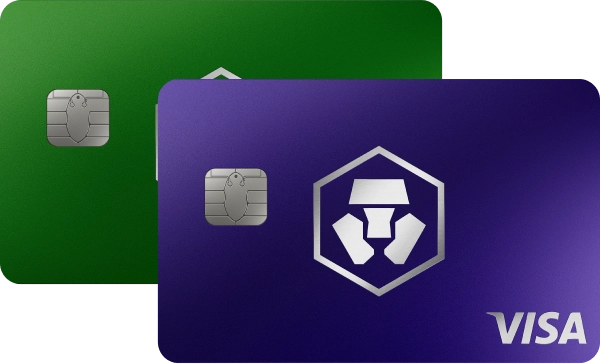
Best crypto cards 2026 for budget-conscious users
Finding a crypto card that fits a tight budget means prioritizing zero annual fees and low transaction costs over flashy rewards programs. In 2026, the market has shifted toward practical utility: cards that let you spend crypto without hidden FX fees or monthly charges. You will rarely find "premium" benefits like airport lounge access on these no-fee options, but you avoid the annual costs that erode small rewards.
When comparing budget cards, look closely at the reload and withdrawal fees. Some cards charge a flat fee for every crypto purchase, while others apply a percentage markup on the exchange rate. A card with a 1% fee on purchases might cost more over time than one with a 2% fee but free ATM withdrawals. Always check the fine print for inactivity fees or minimum balance requirements that could turn a free card into a paid one.
Many budget-friendly crypto cards now offer modest cashback in crypto rather than fixed percentage returns. This approach can be more flexible, allowing you to earn rewards on everyday purchases without locking into high-spend tiers. However, these rewards often come with caps or expiration dates, so read the terms carefully.



As an Amazon Associate, we may earn from qualifying purchases.
Start with cards from established fintech providers or major crypto exchanges, as they often subsidize fees to attract new users. Avoid obscure issuers that promise high rewards but lack clear fee structures. A transparent fee schedule is the most valuable feature for anyone managing a tight budget.
Shortlist real options
Finding the best crypto cards in 2026 requires looking past marketing hype to the actual mechanics of how your rewards are calculated and fees are applied. The market has shifted from simple cashback models to complex tiered structures that blend traditional fiat benefits with on-chain utility. To make an informed choice, you need to compare specific products against your primary spending habits, whether that is international travel, daily retail purchases, or crypto-to-fiat conversions.
The following comparison table highlights the core differences between the most prominent contenders currently available. These cards vary significantly in their reward structures, supported cryptocurrencies, and fee schedules. Understanding these distinctions helps you avoid unexpected costs and maximize the value of every transaction.
| Card Name | Reward Structure | Key Fees | Supported Crypto |
|---|---|---|---|
| Nexo Card | Up to 5% back in NEXO | Annual fee for higher limits | 150+ cryptocurrencies |
| Coinbase Card | Up to 4% in crypto | None for standard tier | BTC, ETH, LTC, DOGE |
| Bybit Card | Tiered cashback rates | Transaction fees apply | Bybit ecosystem tokens |
| Pinnacle Card | High-tier travel benefits | Premium annual fee | Major stablecoins and BTC |
When evaluating these options, pay close attention to the withdrawal fees associated with converting crypto to fiat currency. Many cards advertise high reward percentages but hide substantial costs in the conversion spread or ATM withdrawal limits. For instance, cards like Nexo offer high cashback rates but often require holding their native token to unlock those benefits, effectively locking your capital. In contrast, Coinbase provides a simpler interface with direct support for major assets, making it easier to manage rewards without complex staking requirements. Your decision should also account for the geographic restrictions and supported regions. Some of the most lucrative cards, such as the Bybit Card, are not available to users in the US or UK, limiting their global utility. Meanwhile, cards like Pinnacle cater specifically to high-net-worth individuals seeking travel perks, which may be overkill for casual spenders. Always verify the current terms of service, as crypto card regulations are evolving rapidly and features can change without notice.
Inspect the expensive parts
Use this section to make the Best Crypto Cards decision easier to compare in real life, not just on paper. Start with the reader's actual constraint, then separate must-have requirements from details that are merely nice to have. A practical choice should survive normal use, maintenance, timing, and budget. If a recommendation only works in an ideal situation, call that out plainly and give the reader a fallback path.
-
Verify the basicsConfirm the core specs, condition, and fit before comparing extras.
-
Price the downsideLook for the repair, maintenance, or replacement cost that would change the decision.
-
Compare alternativesCheck at least two comparable options before treating one listing as the benchmark.
Ownership costs beyond the annual fee
A crypto card’s headline fee is rarely the only cost you will pay. The real expense often hides in transaction spreads, ATM withdrawals, and inactivity charges. If you swipe your card once a month, a low annual fee card can still cost more than a high-fee card used daily, because the percentage markup on each purchase adds up quickly.
Check the currency conversion markup. Many crypto cards convert fiat to crypto (or vice versa) at a spread of 1% to 3% above the mid-market rate. This is a hidden tax on every international or non-native currency transaction. A card with "zero annual fees" becomes expensive if you travel or buy from overseas merchants frequently.
When cheap stops being cheap
Avoid cards with high inactivity fees. Some providers charge $5 to $10 monthly if you do not spend a minimum amount. If you only use the card for occasional purchases, these fees will eat your rewards balance before you even notice. Always check the minimum monthly spend requirement to keep the account free.
ATM withdrawals are another cost center. While some cards offer free local ATM withdrawals, others charge a flat fee plus a percentage of the withdrawal amount. If you rely on your crypto card for cash access, these fees can negate any cashback rewards you earn.


As an Amazon Associate, we may earn from qualifying purchases.
Crypto cards 2026: what to check next
Choosing the best crypto card 2026 depends on whether spending control, borrowing access, travel benefits, or crypto rewards matter most to your daily routine. The landscape has shifted from simple Bitcoin debit cards to complex financial instruments that blend traditional banking with on-chain assets. Before committing to a card, it helps to understand the specific mechanics of how rewards are calculated and how taxes apply to your transactions.
Do crypto cards charge annual fees?
Most mainstream crypto cards in 2026 do not require an annual fee, though premium metal versions may. For example, Nexo Card offers dual-functionality with high cashback rates on purchases, while Coinbase Card provides straightforward crypto rewards without monthly costs. Always check the fee schedule for foreign transaction fees, which can add 1-3% to international purchases, as these often outweigh the annual fee concern.
Are crypto card rewards taxable?
In many jurisdictions, spending crypto via a card triggers a taxable event because you are disposing of an asset. When you buy coffee with Bitcoin, you may owe capital gains tax on the appreciation of that Bitcoin up to the point of sale. Some cards offer rewards in stablecoins or fiat, which may have different tax implications. Consult a tax professional to understand how your local laws treat these transactions, as regulations vary significantly by region.
Can I use crypto cards for travel?
Yes, many crypto cards function as standard Visa or Mastercard debit/credit cards, making them widely accepted for flights and hotels. Cards like Pinnacle are ideal for users who travel frequently, offering low foreign transaction fees and high reward multipliers on travel purchases. However, always verify that your card issuer supports international ATM withdrawals and check for any dynamic currency conversion fees that might inflate your bill.
How do cashback rates work on crypto cards?
Cashback rates typically depend on the asset you hold or the spending category. For instance, Zeal/Gnosis offers up to 4% cashback for certain users, while Coinbase One Card provides tiered rewards based on your subscription level. Some cards allow you to choose whether to receive rewards in crypto or fiat, which can impact your overall yield. Understanding these tiers helps you maximize returns without overspending just to hit a reward threshold.
No comments yet. Be the first to share your thoughts!