
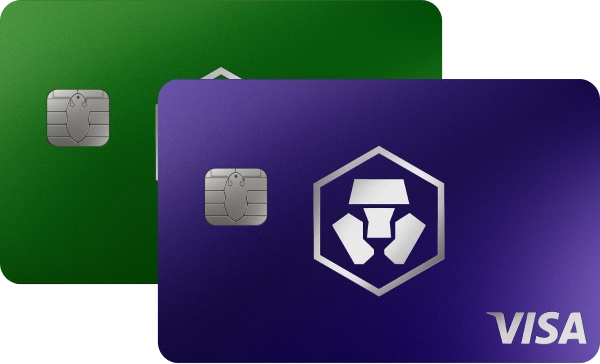
Crypto cards 2026 budget
Choosing a crypto card for 2026 means balancing your daily spending habits against the hidden costs of converting crypto to fiat. Unlike traditional credit cards, these debit cards often charge fees for transactions, currency conversion, or ATM withdrawals. Understanding these trade-offs helps you avoid unexpected charges that can quickly eat into your cashback rewards.
When evaluating options, start by checking the annual fee structure. Many 2026 cards offer zero annual fees to attract new users, but this benefit often comes with lower cashback tiers or stricter transaction limits. For example, some cards require a minimum monthly spend to access higher reward percentages, which can be a trap if you rarely use your card for large purchases.
Next, look at the cashback rates and their caps. A card might advertise 3% cashback on crypto, but that rate may only apply to the first $500 spent per month. Beyond that cap, the reward might drop to 0.5% or a flat fee. This structure is common in 2026’s competitive market, where cards segment benefits by user volume to manage their exposure to volatile crypto assets.
Finally, consider the card’s network and acceptance. Not all crypto cards are accepted everywhere. Some operate on the Visa or Mastercard networks, offering broad acceptance, while others are closed-loop systems limited to specific merchants or crypto exchanges. If you plan to use your card for everyday purchases like groceries or gas, ensure it’s widely accepted and that the conversion process is seamless.

As an Amazon Associate, we may earn from qualifying purchases.
Shortlist real options
The 2026 crypto card market has shifted from speculative rewards to practical utility. You are no longer paying annual fees for the privilege of spending your own money. The strongest contenders now offer zero fees, instant on-chain settlement, and cashback that actually compounds without complex tier requirements.
We evaluated the top picks based on three concrete factors: fee structures, reward rates, and supported currencies. The goal is to find a card that works as a daily payment tool, not just a marketing gimmick. Below is a direct comparison of the leading options available this year.
| Card | Annual Fee | Max Cashback | Supported Crypto | Best For |
|---|---|---|---|---|
| Crypto.com Pay | $0 (Base) | Up to 5% | BTC, ETH, CRO | High-volume spenders |
| Coinbase Card | $0 | Up to 4% | BTC, ETH, USDC | Simplicity and US users |
| Zeal Card | $0 | Up to 4% | ETH, USDC | On-chain efficiency |
| Bitpanda Card | $0 | Up to 3% | Multi-asset | European residents |
Crypto.com Pay
This remains the heavyweight for those chasing maximum rewards. The base card offers 1-2% cashback, but locking up CRO tokens boosts this to 5%. It supports a wide range of cryptos for spending. The tradeoff is the liquidity requirement for the top tier.
Coinbase Card
Simplicity is the selling point here. If you already hold crypto in your Coinbase wallet, spending it is seamless. Rewards are paid in the crypto you spend, which simplifies tax reporting. It is the most user-friendly option for US residents.
Zeal Card
Zeal focuses on on-chain efficiency. It offers up to 4% cashback with no staking requirements for the base tier. It is particularly strong for Ethereum users who want to avoid bridging assets to centralized exchanges.
Bitpanda Card
For European users, Bitpanda is a strong alternative. It supports a broad array of assets beyond just the big two. The card processes transactions directly from your Bitpanda account with minimal friction.


As an Amazon Associate, we may earn from qualifying purchases.
How to pick the right card for your holdings
Your choice depends on where your assets sit. If they are in a centralized exchange like Coinbase, their card is the path of least resistance. If you hold tokens on-chain, Zeal or Crypto.com Pay offer better integration. Always check the supported currencies for your specific holdings before applying.
Inspect the expensive parts
Most crypto cards look identical until you hit a fee. A $5 annual fee is trivial. A 3% foreign transaction fee on a $2,000 purchase is not. Before you lock into a card, run through this inspection checklist to avoid the costs that quietly eat your cashback.
Check the foreign transaction fee
Many "zero-fee" cards only waive the annual cost. They still charge 1-3% when you swipe abroad or buy from international merchants. If you travel or shop globally, this fee alone can wipe out your rewards. Look for cards that explicitly state 0% foreign transaction fees in their terms.
Verify the ATM withdrawal limit
Cash advances are where crypto cards get expensive. Some cards limit you to $500 in free ATM withdrawals per month. After that, you pay a flat fee plus a percentage of the amount. If you need cash often, a card with a $1,000 or unlimited free withdrawal limit is worth the potentially higher annual fee.
Audit the conversion rate
When you spend crypto, it must be converted to fiat. Some cards use poor exchange rates, adding 1-2% to every transaction. This is a hidden tax that doesn't show up on your statement. Choose cards that use real-time interbank rates or offer transparent conversion spreads.
Review the crypto support list
Not all cards support Bitcoin or Ethereum. Some only accept stablecoins or a limited set of altcoins. If you hold a specific asset, ensure the card issuer supports it. Forced conversions to a supported coin before spending can trigger capital gains events and additional fees.
Inspect the merchant category codes
Some cards exclude certain merchants from earning rewards, such as government fees, education, or healthcare. If you pay tuition or taxes with your card, you might earn zero cashback on those large purchases. Check the list of excluded categories before you rely on the card for big-ticket items.
Plan for ownership costs
A crypto card with zero annual fees often hides costs in the details. The headline price is just the entry ticket; the real expense comes from how you fund the card, how often you travel, and how you handle currency conversions.
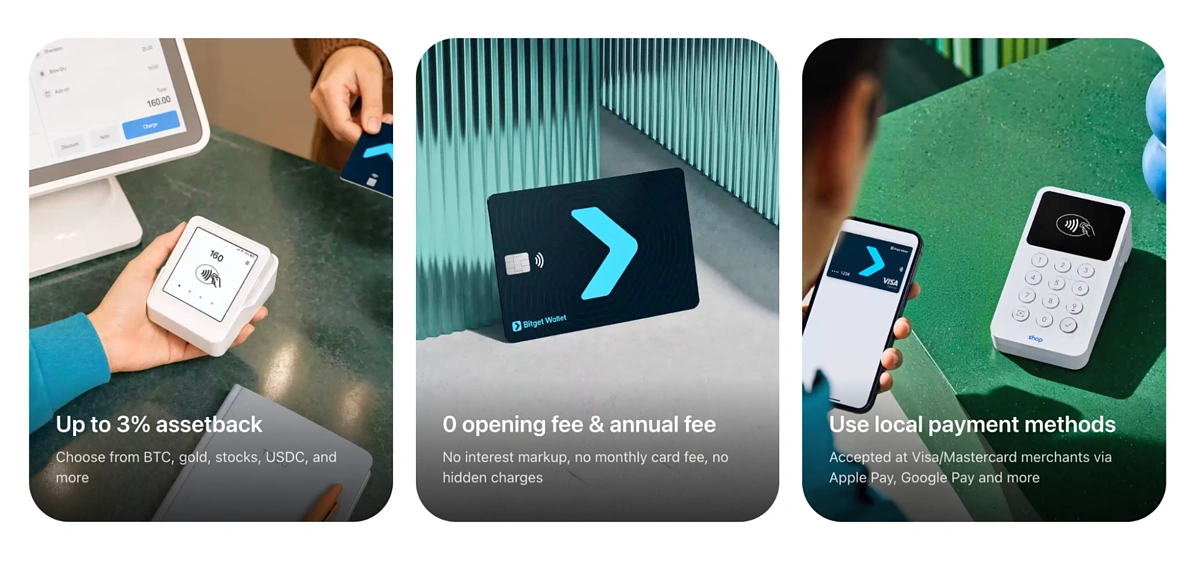
Start by checking the reload fees. Many providers charge a percentage or flat fee when you add fiat to your wallet to cover purchases. If you top up daily for small purchases, these fees add up quickly. Look for cards that allow free bank transfers or direct fiat deposits via ACH or SEPA.
Foreign transaction fees are the next silent budget killer. Even if a card advertises "zero fees," it may apply a markup to the exchange rate when you spend abroad. If you travel or shop from international merchants, choose a card that offers interbank exchange rates or waives foreign transaction fees entirely.
Network fees also matter. Visa and Mastercard networks charge merchants small percentages, which some card issuers pass on to you as "network fees" on certain transaction types. Check the fine print for these pass-through costs, especially if you use the card for business expenses or large purchases.

As an Amazon Associate, we may earn from qualifying purchases.
When comparing cards, look beyond the annual fee. A card with a $0 annual fee but 3% reload charges is more expensive than a card with a $50 annual fee and free reloads. Calculate your expected monthly spending to find the true break-even point.
Crypto cards 2026: what to check next
Choosing a crypto card in 2026 comes down to balancing cashback rates against hidden transaction fees. While many cards advertise high rewards, the real cost often lies in the spread between the market price and the conversion rate applied when you spend. Understanding these mechanics helps you avoid paying more in fees than you earn in rewards.
Do crypto cards charge annual fees?
Most top-tier crypto cards in 2026 offer zero annual fees to attract users, but some premium metal cards or high-tier loyalty programs require a monthly or yearly subscription. Always check the fee schedule before signing up, as these costs can quickly eat into your cashback earnings if you do not spend enough to offset them.
Are crypto cards available in my country?
Availability varies significantly by region. Cards like the Coinbase Card are primarily US-focused, while others like the Crypto.com Visa or Bitpanda Card cater to broader international markets. Check the issuer’s official support pages to confirm if your country is listed in their supported territories before applying, as geo-restrictions are common.
What happens if the market crashes while I’m spending?
Crypto cards typically convert your digital assets to fiat currency at the moment of transaction. If the value of your crypto drops sharply between when you loaded funds and when the purchase clears, you may receive less fiat than expected. Some cards offer price-lock features or stablecoin spending options to mitigate this volatility risk.
Can I earn rewards on every purchase?
Most cards pay rewards on everyday purchases, but some exclude specific categories like gambling, wire transfers, or cash advances. Review the rewards structure carefully to see if your common spending habits qualify. Some cards also require you to hold a minimum amount of their native token in a wallet to access the highest cashback tiers.
No comments yet. Be the first to share your thoughts!