
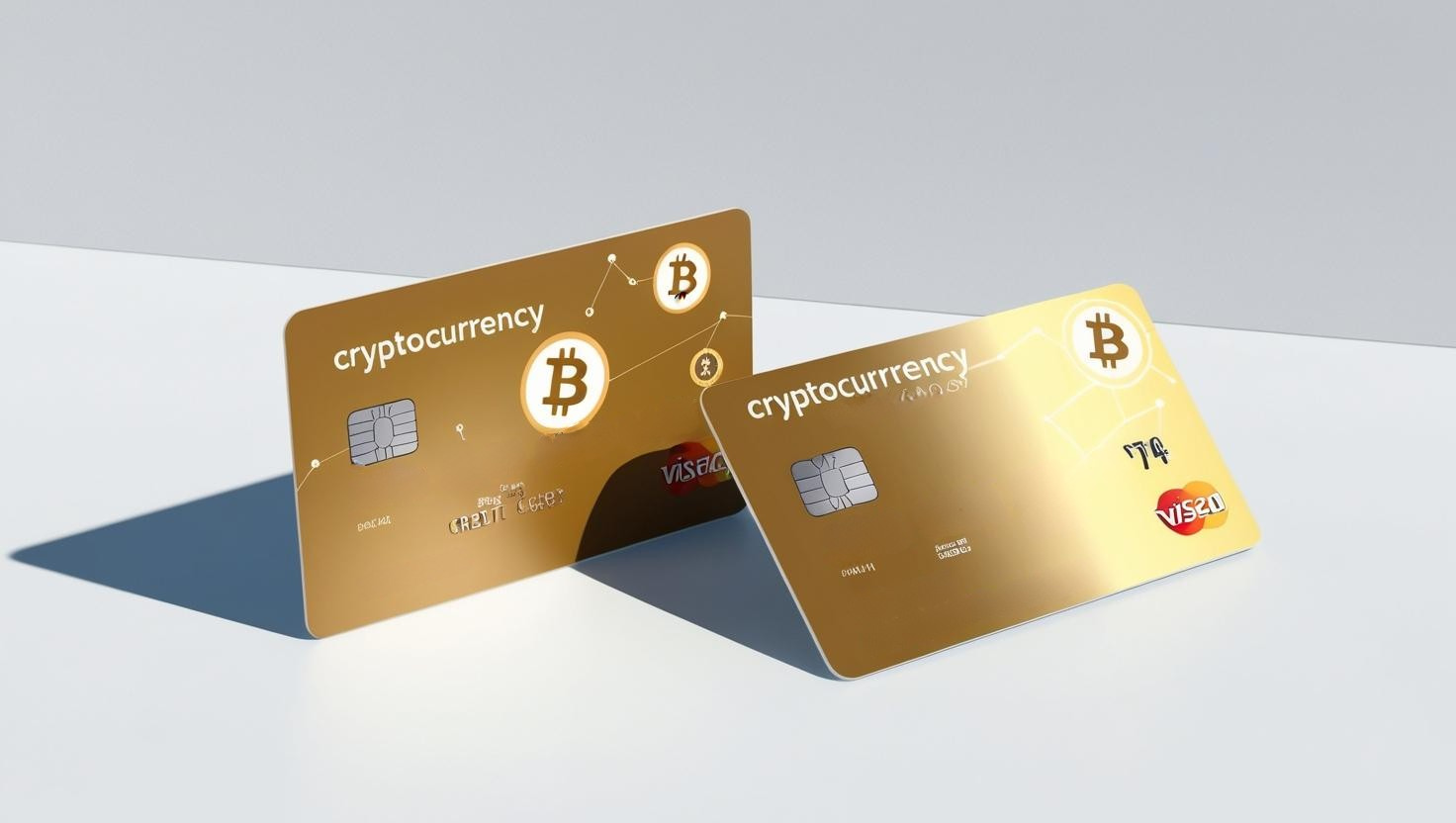
How we picked the best crypto cards
We evaluated crypto debit cards based on four pillars: fee transparency, reward structure, liquidity access, and security infrastructure. Our goal is to help you find a card that works as a daily spending tool, not just a speculative asset. We prioritized cards with clear, published fee schedules from official sources over platforms with hidden costs or ambiguous terms.
Fee transparency and FX costs
Foreign transaction fees and crypto conversion spreads are where many cards lose value. We focused on cards like Crypto.com and Coinbase that publish their fee structures clearly. A card with no foreign transaction fees is essential for travelers, while low conversion spreads matter more for everyday domestic spending. We avoided cards that bury conversion rates behind vague "market rate" disclaimers without showing the actual spread.
Rewards and cashback
Cashback rates vary significantly. Some cards offer flat percentages, while others use tiered systems based on stake or spending volume. We highlighted cards with the highest cashback for specific categories, such as Crypto.com’s tiered rewards or Coinbase’s simple flat rate. We did not invent projected annual earnings; we focused on the actual percentage returns available to the average user.
Liquidity and security
How easily you can spend your crypto matters. We looked at cards that allow instant conversion from major wallets and those that require pre-funding. Security is non-negotiable: we prioritized cards from regulated entities with cold storage options and insurance coverage. A card that locks your funds in unverified smart contracts is too risky for daily use.
Coinbase Card: Best Overall Crypto Debit Card
The Coinbase Card stands out as the most practical all-around choice for 2026. Backed by one of the largest and most regulated crypto exchanges, it bridges the gap between digital assets and everyday spending with minimal friction. The card works on the Visa network, meaning it is accepted globally wherever Visa debit cards are, solving the biggest hurdle of crypto adoption: merchant acceptance.
What sets this card apart is its straightforward reward structure. Instead of complex tiered systems or locking rewards behind high monthly spending requirements, the Coinbase Card offers crypto back on every purchase. Users can choose to earn rewards in Bitcoin, Ethereum, or USDC, allowing you to stack assets directly into your portfolio while you buy coffee or pay for groceries. This "earn while you spend" model effectively turns daily expenses into passive accumulation without requiring you to manually convert funds first.
Fees are another major advantage. The card charges no annual fee and no foreign transaction fees, which is critical for travelers or anyone buying from international online retailers. While the card itself does not charge fees, it is important to note that converting crypto to fiat for spending triggers a standard network transaction fee. However, the ease of use—auto-converting your selected crypto balance at the point of sale—removes the guesswork from pricing.
Security is handled through Coinbase’s established infrastructure, including biometric authentication and instant card freezing via the app. For users who already hold crypto in a Coinbase account, this card eliminates the need to withdraw to a traditional bank first, streamlining the entire financial loop. It is the best option for those who want a "set it and forget it" approach to crypto spending.


As an Amazon Associate, we may earn from qualifying purchases.
Best crypto debit card for zero foreign transaction fees
When traveling internationally, standard credit cards often charge a 2-3% foreign transaction fee on every purchase. For crypto users, this compounds with the dynamic currency conversion (DCC) spread applied at the point of sale. Choosing a card with no FX fees or low conversion costs is essential for maintaining purchasing power abroad.
The following cards stand out for their travel-friendly fee structures, allowing you to spend in local currencies without hidden markups.
| Card | FX Fee | Supported Currencies | Withdrawal Limit |
|---|---|---|---|
| Crypto.com Visa | 0% | 150+ | $10,000/week |
| Coinbase Card | 0% | Global | $5,000/week |
| Bitpanda Card | 0% | EUR/GBP/USD | €1,000/week |
| Nexo Card | 0% | Global | Up to $250,000 |
Crypto.com Visa offers no foreign transaction fees and supports spending in over 150 currencies. It is a strong choice for frequent travelers, especially when paired with higher-tier VIP cards that offer additional cashback on dining and travel expenses.
Coinbase Card also charges no foreign transaction fees, making it a straightforward option for US-based users who want to spend their crypto directly without worrying about conversion spreads. It supports global transactions wherever Visa is accepted.
Bitpanda Card is ideal for European travelers, offering no FX fees on transactions in EUR, GBP, and USD. It provides a seamless experience for users in the EU who want to avoid the typical 2-3% bank fees.
Nexo Card allows users to spend against their crypto collateral with no foreign transaction fees. Its high withdrawal limits (up to $250,000) make it suitable for high-net-worth individuals who travel frequently and require substantial liquidity.
When using these cards abroad, always choose to pay in the local currency rather than your home currency to avoid dynamic currency conversion fees, which are separate from the card's stated FX fee.
Best crypto card for daily spending rewards
When you spend from a crypto debit card, the transaction usually travels through the Visa or Mastercard network. This means your card issuer handles the fiat side while the backend settles your crypto holdings. For everyday purchases, this structure allows you to earn cashback or rewards on traditional spending without waiting for a monthly settlement cycle.
The goal is to find a card that offers the highest cashback relative to your typical spending habits. Some cards offer flat rates, while others provide boosted categories for groceries, dining, or travel. Because crypto markets are volatile, many issuers now offer stablecoin rewards or fixed USD values to protect your earnings from market swings.
Look for cards that integrate directly with your existing crypto portfolio. This allows you to earn rewards on every swipe while keeping your assets liquid. The best options for daily spending combine high reward rates with no foreign transaction fees, ensuring you keep more of your money whether you are buying coffee or booking a flight.
Watch for hidden fees and tax triggers
The headline feature of any best crypto debit card is often no foreign transaction fees or high cashback rates, but the fine print usually contains the costs that eat into those benefits. Before committing to a card like Nexo or a standard Visa-linked crypto card, you need to look past the marketing and check for withdrawal fees. Many providers charge a flat rate or percentage for ATM withdrawals, which can quickly negate the value of earning crypto rewards if you rely on your card for cash access.
Inactivity fees are another silent budget killer. If you do not use the card for a set period, typically six to twelve months, some issuers will charge a monthly maintenance fee. This is particularly relevant for users who prefer to hold crypto as a long-term investment and only spend when necessary. A card with no monthly fees is only valuable if you use it regularly; otherwise, those dormant charges add up.
Spending crypto is a taxable event in many jurisdictions. When you use your crypto debit card to buy coffee or pay for groceries, you are technically selling that crypto at that moment's market value. If the value of the crypto has increased since you acquired it, you owe capital gains tax on that difference. This applies regardless of whether the transaction is small or large, and the IRS does not distinguish between a $5 latte and a $5,000 laptop purchase.
Spending crypto is a taxable event in many jurisdictions. Consult a tax professional before using your card for large purchases to understand your specific liability.
Understanding these costs helps you choose a card that aligns with your spending habits rather than just its reward structure. If you plan to travel frequently, no FX fees are essential, but if you rarely spend, a card with no inactivity fees is more important. Always verify the current fee schedule on the issuer's official website, as terms can change without notice.
Frequently asked questions about crypto cards
Which crypto card is the best in 2026?
There is no single "best" card, as the right choice depends on your spending habits. If you prioritize cash back, the Binance Card offers up to 8% rewards on certain purchases, while the Crypto.com Visa Card provides up to 5% cash back depending on your staking tier. For no foreign transaction fees, the Bybit Card is a strong contender. The BitPay Card remains a reliable option for direct Bitcoin spending without complex staking requirements.
Who has the best crypto debit card?
The "best" issuer varies by user profile. Crypto.com leads in tiered rewards for high-volume spenders. Binance offers the highest potential cashback rates for active traders. Bybit provides competitive rewards with a simpler interface. Wirex offers multi-currency accounts with crypto spending capabilities. Choose the issuer based on whether you value maximum rewards, low fees, or ease of use.
Can the IRS see your crypto wallet?
Yes. The IRS requires you to report cryptocurrency transactions, including those made with debit cards. When you spend crypto using a card, it is treated as a taxable event (capital gains or losses) in the United States. Card issuers may issue Form 1099-K or similar tax documents if you meet certain transaction thresholds. Always keep records of your transactions to ensure accurate reporting.
What crypto is going to explode in 2026?
Predicting which cryptocurrency will "explode" is speculative and risky. Market performance depends on numerous factors, including regulation, adoption, and macroeconomic conditions. Instead of chasing speculative assets, focus on established cryptocurrencies with strong utility and liquidity. Diversification and long-term strategy are generally safer approaches than short-term speculation.
No comments yet. Be the first to share your thoughts!