
Crypto cards 2026 budget
Finding a crypto card that fits a tight budget means looking past the headline cashback rates. The real cost of these cards usually hides in foreign transaction fees, annual fees, or the spread between the card’s exchange rate and the market rate. If you spend heavily outside the US, a card with zero FX fees often saves more money than a 1% cashback rate would ever earn.
For most budget-conscious users, the priority is avoiding monthly costs while keeping crypto rewards accessible. You do not need a premium metal card or a high-tier status to get started. Many no-annual-fee options still offer competitive rewards on everyday purchases, provided you pay your balance in full each month to avoid interest.
Best no-fee options for everyday crypto
The Gemini Credit Card® stands out for users who want zero annual fees and straightforward rewards. It earns crypto back on everyday spending without requiring a minimum balance or monthly subscription. This makes it a practical choice for those who want to accumulate Bitcoin or other assets without the pressure of meeting high spending thresholds or paying for a premium tier.
Best for avoiding foreign transaction fees
If you travel or buy from international sites, the Coinbase One Card offers a compelling alternative for those willing to hold a specific balance. While it may require a higher average balance to waive fees, its integration with the Coinbase ecosystem can streamline currency conversion. For users who already hold crypto, this reduces the friction of converting fiat to digital assets at the point of sale.
The tradeoff of high cashback
Some cards advertise 3% or 4% crypto rewards, but these often come with annual fees or high spending caps. Before choosing a high-reward card, calculate whether the annual fee is justified by your spending volume. For many, a simpler no-fee card with a modest 1-1.5% reward is more sustainable and less likely to result in net losses due to fees or missed payments.

As an Amazon Associate, we may earn from qualifying purchases.
Shortlist real options
Finding a crypto card that actually saves money requires looking past the marketing hype. The landscape in 2026 is split between traditional fintech giants and newer blockchain-native issuers. Most cards fall into two buckets: those that offer high cashback on everyday spending and those that reward heavy on-chain activity.
We compared the strongest options based on real user feedback and fee structures. The goal is to find a card that works for your specific spending habits without hidden costs eating into your rewards. Below is a comparison of the top contenders.
| Card | Rewards | FX Fee | Best For |
|---|---|---|---|
| Coinbase One | Up to 4% crypto | 0% | Heavy crypto users |
| Gemini Credit Card | 1% Gemini credits | 0% | Everyday spending |
| Jade | 1.5% BTC | Varies | BTC loyalists |
| Tria Signature | Varies | Low | Travel |
Coinbase One Card
The Coinbase One Card is the top choice for users who already hold significant crypto assets. It offers up to 4% rewards in crypto, but this tier requires a $3,000 monthly Coinbase One subscription. Without the subscription, rewards drop to 1%. The main advantage is the zero foreign transaction fees, making it ideal for international travel or online purchases from foreign merchants.
Gemini Credit Card
Gemini’s card is straightforward and accessible. It earns 1% in Gemini credits on all purchases. There is no subscription fee, making it a low-risk option for casual users. Like Coinbase, it charges no foreign transaction fees. The simplicity of the rewards structure makes it easy to track, though the 1% rate is lower than many traditional cashback cards.
Jade
Jade has gained traction among Bitcoin maximalists. It offers 1.5% in BTC rewards on unlimited spending. Some users report extra boosts depending on market conditions or specific merchant categories. Jade offers both credit and debit options. The metal card back is a popular feature, but the FX fees can vary, so check the current terms before using it abroad.
Tria Signature Card
Tria’s Signature Card is positioned as a strong competitor for travelers. It offers competitive rewards and low foreign transaction fees. The card is designed to integrate seamlessly with various crypto wallets, allowing for flexible spending. It is a solid alternative if you do not want to tie your spending to a specific exchange like Coinbase or Gemini.
Inspect the expensive parts
Crypto cards look attractive on paper, but hidden fees can erase your rewards before you make your first purchase. The "best" card often changes depending on how you pay your balance and where you shop. This inspection checklist focuses on the failure points that cost users the most money.
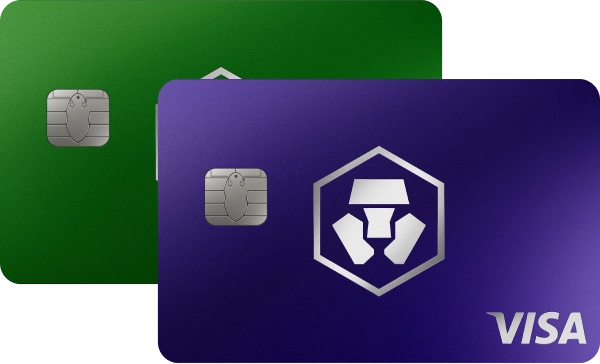
Many crypto cards charge annual fees ranging from $0 to $150. If a card offers 1.5% BTC rewards but charges $150 annually, you need to spend over $10,000 per month just to break even. Calculate your monthly spend first. If your spend doesn't justify the fee, skip the card entirely.
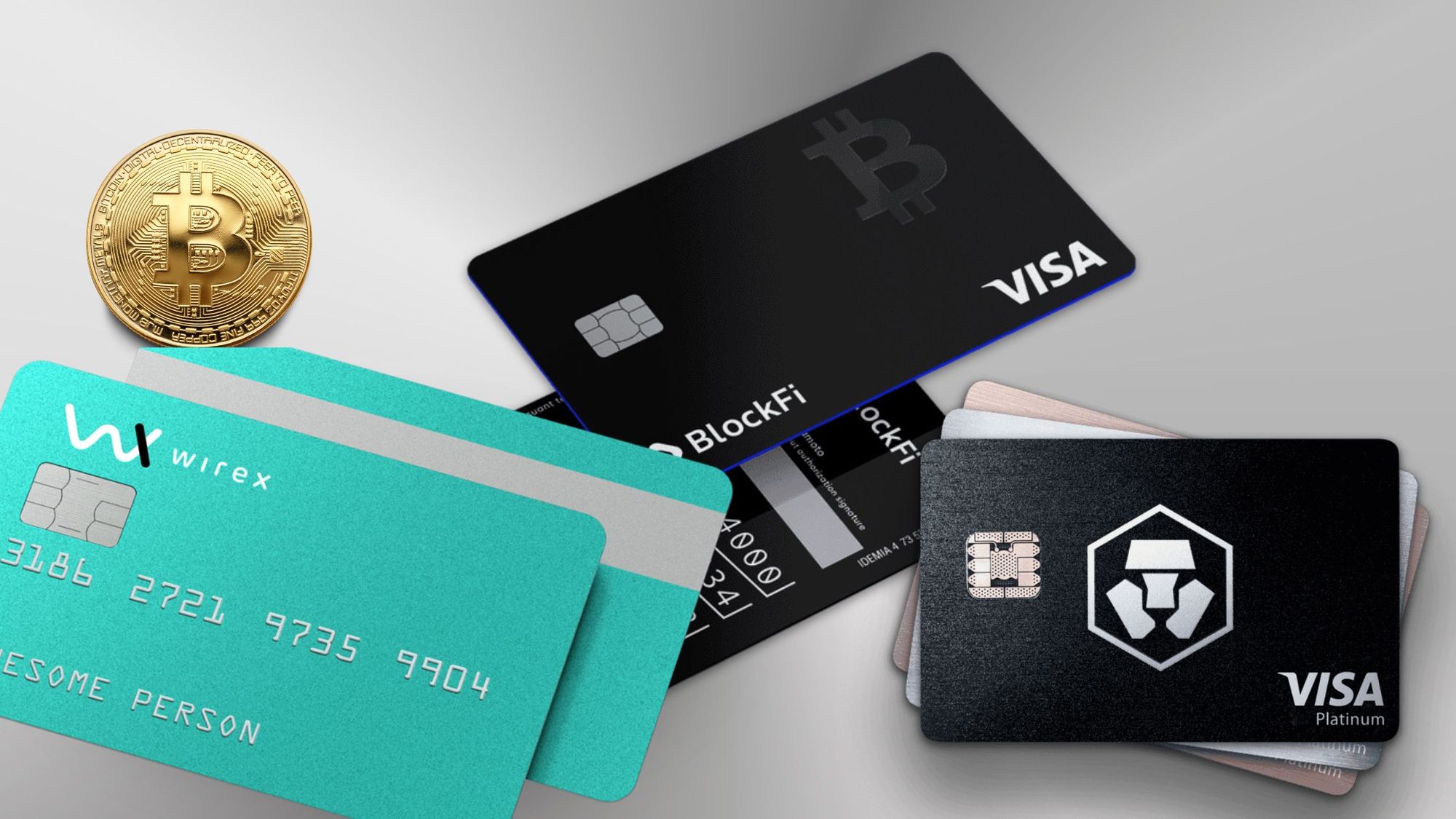
Traditional credit cards typically charge 3% on international purchases. Some crypto cards waive this fee, which is a major advantage for travelers. If you travel or shop on international sites, prioritize cards with zero FX fees. Otherwise, that 3% fee will quickly outpace any crypto rewards you earn.
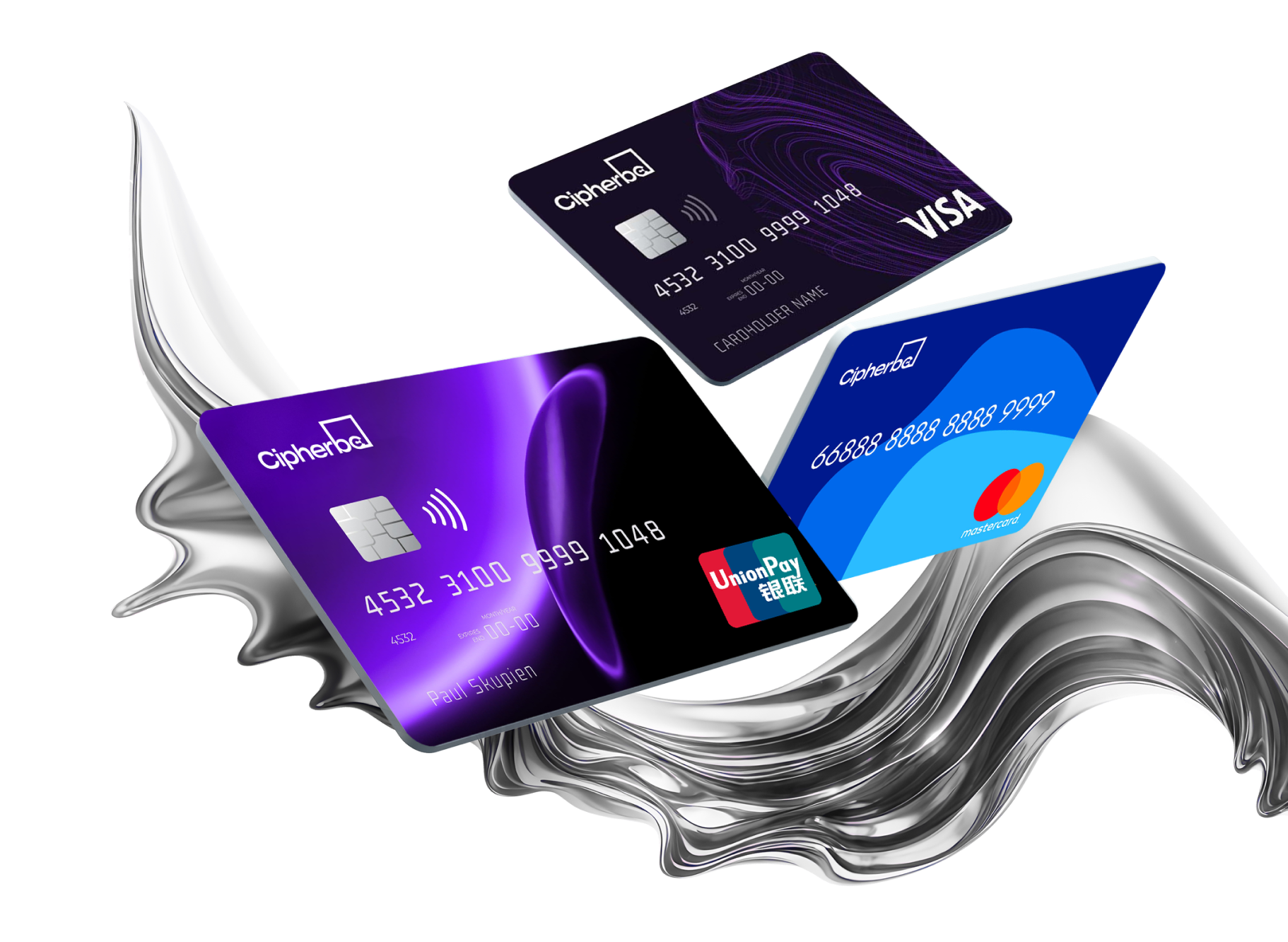
Crypto credit cards often have higher APRs than standard rewards cards. More importantly, many do not offer a grace period on purchases if you carry a balance. If you pay your statement in full every month, the APR doesn't matter. If you carry a balance, the interest will likely exceed your rewards value.
Some cards pay rewards in stablecoins (like USDC), while others pay in volatile assets like BTC or ETH. If you need the rewards for rent or groceries, a volatile payout is risky. Check if you can convert rewards to fiat instantly or if you must hold the crypto. This choice affects your actual take-home value.

- Detailed fee breakdowns
- Annual fee examples
- Rewards calculations


As an Amazon Associate, we may earn from qualifying purchases.
Ownership costs
A crypto card’s headline rewards mean little if monthly fees or hidden transaction charges eat them up. When you evaluate ownership costs, look beyond the annual percentage yield or cashback rate and calculate the total cost of holding the card over a year. A card that charges a monthly maintenance fee or imposes foreign transaction fees can quickly turn a high-rewards product into a net loss.
The hidden math of "free" cards
Many crypto cards advertise no annual fee but charge per-transaction fees for spending in foreign currencies or converting crypto to fiat. For example, some cards apply a 1-3% foreign transaction fee (FX fee) on every overseas purchase. If you travel frequently or shop on international sites, these fees accumulate faster than the rewards you earn. Always check the card’s fee schedule for:
- Foreign transaction fees: Often 1-3% per transaction. Waived on some premium cards.
- ATM withdrawal fees: Fixed fees ($2-$5) plus potential network charges.
- Inactivity fees: Rare, but some cards charge if you don’t use the card for 6-12 months.
When a cheap buy stops being cheap
Consider a card with 1.5% BTC rewards and a $5 monthly fee. If you spend $1,000/month, you earn $15 in rewards but pay $60 in fees, resulting in a net loss of $45. Now compare it to a no-fee card with 1% rewards: you earn $10 and pay $0, a net gain of $10. The "higher reward" card is actually worse unless your spending volume is significantly higher.
How to calculate your true cost
Use this simple formula to determine if a card is worth it:
Net Benefit = (Monthly Spending × Reward Rate) - (Monthly Fees + FX Fees + Other Charges)
If the result is negative, the card is costing you money. For example, if you spend $2,000/month on a card with 1.2% rewards ($24) and a $10 monthly fee, your net benefit is $14. But if you add a 2% FX fee on $500 of overseas spending ($10), your net benefit drops to $4. At lower spending levels, this card might not be worth the hassle.
Practical tips to minimize costs
- Choose no-FX fee cards if you travel or shop internationally. Some cards, like the Coinbase One Card, offer 0% FX fees on all transactions.
- Avoid cards with inactivity fees unless you’re certain you’ll use them regularly.
- Check for tiered rewards that increase with spending. A card with 1% base rewards but 3% on travel might be better if you spend heavily on trips.
- Compare total annual cost by multiplying monthly fees by 12 and adding estimated FX fees based on your spending habits.
A card’s true value isn’t just in its rewards—it’s in how much it costs you to earn them. Always run the numbers before committing.


As an Amazon Associate, we may earn from qualifying purchases.
Crypto cards 2026: what to check next
Choosing the right crypto card depends on how you plan to spend. The best card for everyday purchases differs from the one that maximizes rewards for heavy crypto users. Understanding the trade-offs between cashback, foreign transaction fees, and spending controls helps you avoid unnecessary costs.
What is the best crypto card for everyday spending?
For daily purchases, the Gemini Credit Card and Coinbase One Card are top contenders. Gemini offers straightforward rewards for general spending, while Coinbase One provides higher returns for users already holding assets in the Coinbase ecosystem. These cards function like traditional credit cards but settle in crypto or offer crypto rewards.
Do crypto cards charge foreign transaction fees?
Many crypto cards market themselves as travel-friendly, but fees vary. Some issuers waive foreign transaction fees entirely, which is crucial for international travelers. Others charge standard rates similar to traditional banks. Check the specific card’s fee schedule before traveling to avoid unexpected charges on overseas purchases.
Can I use a crypto card for borrowing or credit building?
Most crypto cards are debit-based, meaning you spend funds you already own. However, some platforms offer credit options, like the Jade metal card, which allows for borrowing against crypto holdings. These options can help build credit history if reported to bureaus, but they come with higher interest rates and risk if the underlying asset value drops.
Are crypto card rewards worth the complexity?
Rewards like 1.5% BTC cashback can outperform traditional credit card points if you plan to hold crypto long-term. However, the tax implications of receiving crypto rewards can be complex. Ensure you understand how rewards are taxed in your jurisdiction before relying on them as a primary financial strategy.
No comments yet. Be the first to share your thoughts!