
How crypto debit cards fit a 2026 budget
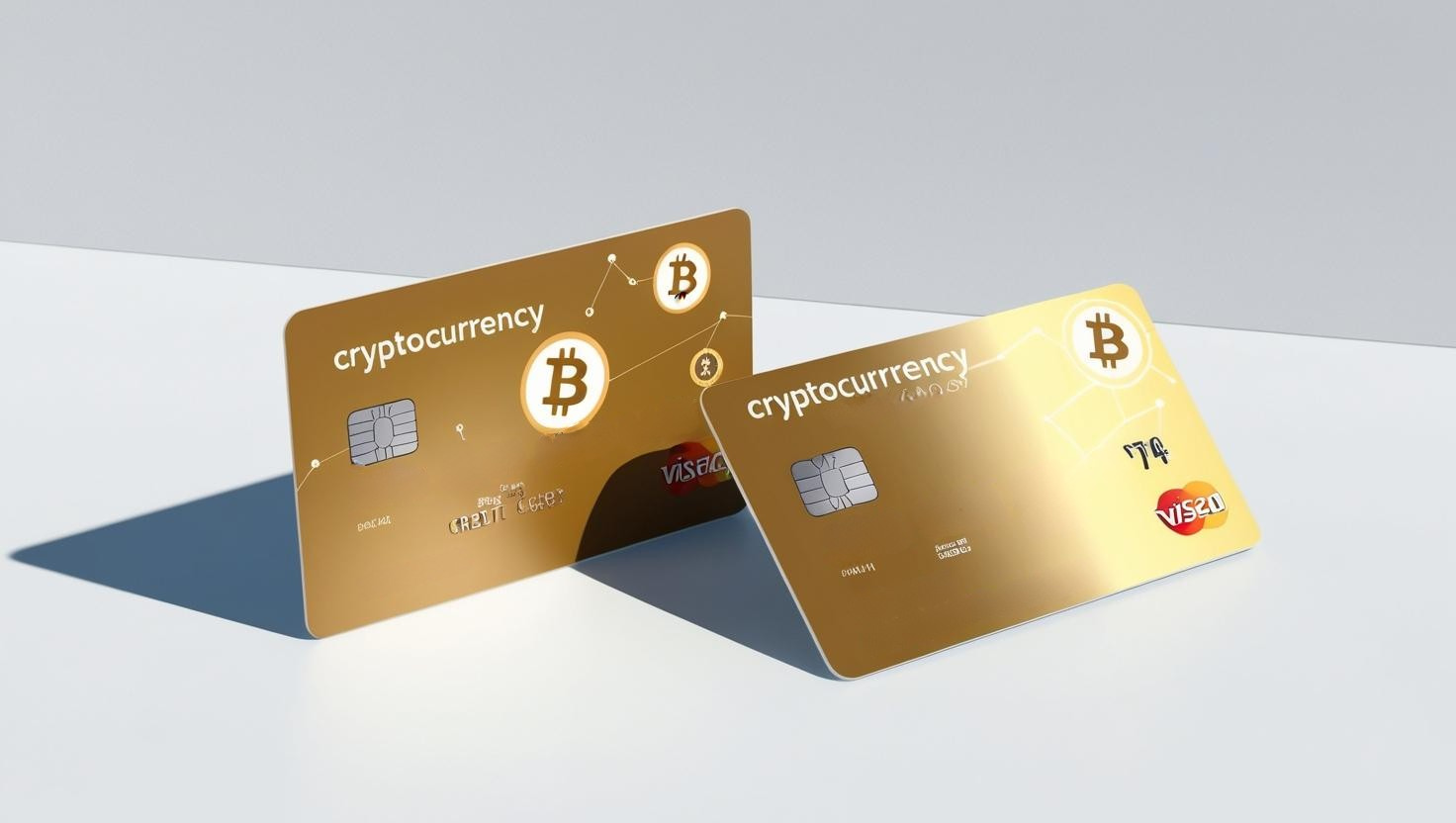
Crypto debit cards act as a bridge between volatile digital assets and everyday spending. Instead of relying on bank transfers or cash withdrawals, these cards let you spend crypto directly at any merchant that accepts Visa or Mastercard. The tradeoff is simple: you get liquidity and potential rewards, but you pay fees that can quickly eat into small transactions.
When evaluating cards for a tight budget, look beyond the headline cashback rate. Many providers offer 1% to 3% back on spending, but charge monthly subscription fees or high foreign transaction fees. A card with 2% cashback and a $10 monthly fee only beats a fee-free card if you spend enough to offset that monthly cost. For casual spenders, a no-fee card often wins despite lower rewards.
Age and residency requirements also shape your options. Most major crypto debit cards require you to be 18 or older and reside in specific jurisdictions like the US, UK, or EU. Some providers restrict services based on your local regulations or require proof of identity. Always check the eligibility criteria before applying, as rejection can impact your credit score or leave you without a spending tool during a transition period.

As an Amazon Associate, we may earn from qualifying purchases.
Compare the best crypto debit cards 2026
Choosing the right crypto debit card depends on how you plan to spend and which rewards matter most. The market has shifted from high-yield loyalty programs to practical features like low fees, broad acceptance, and instant liquidity.
Below is a side-by-side comparison of the strongest options for 2026. These cards bridge the gap between your crypto holdings and everyday purchases, but they differ significantly in their fee structures and cashback models.
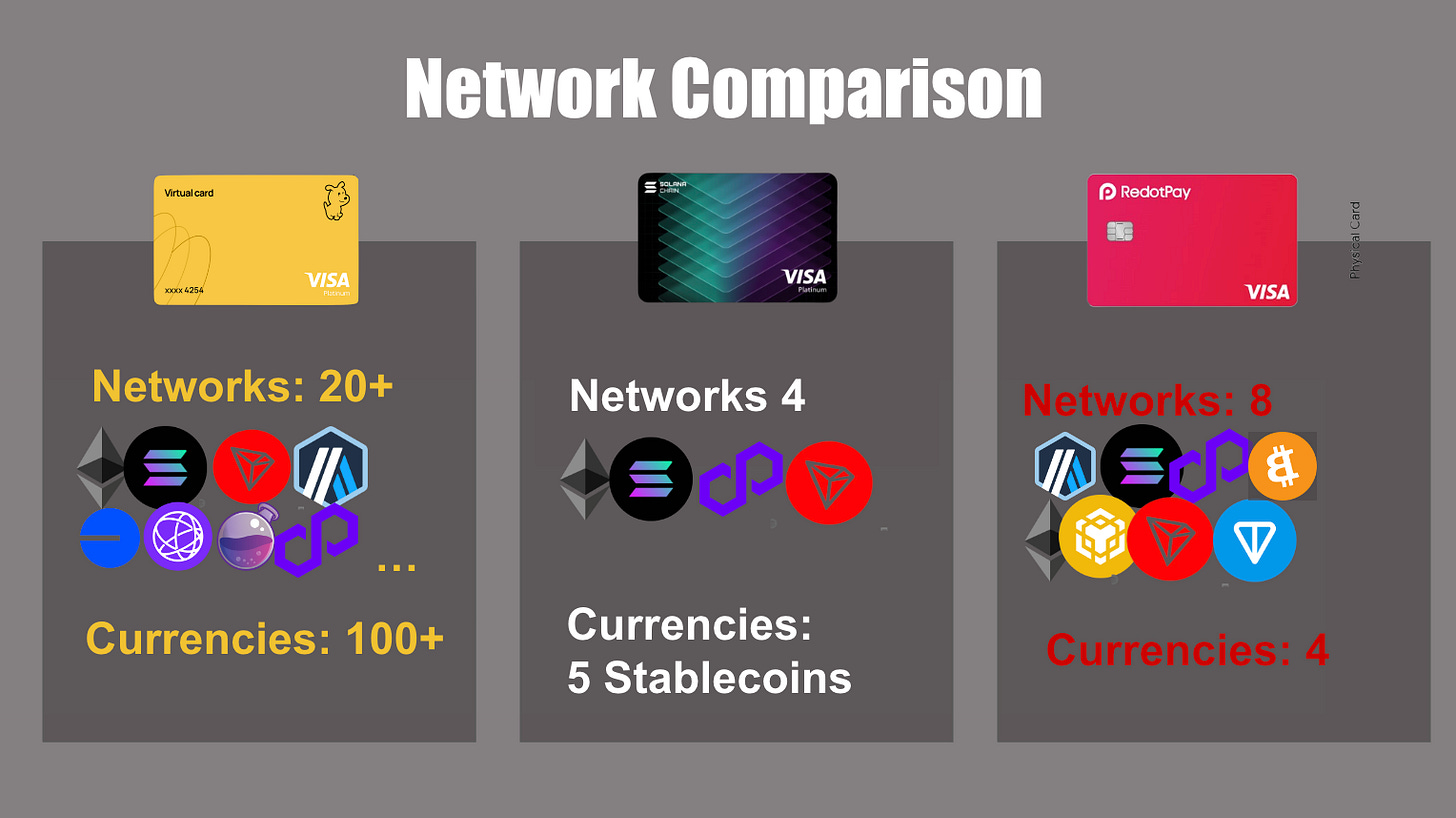
Each card serves a different profile. The Crypto.com Visa offers the highest potential cashback but requires locking up tokens to reach top tiers. Coinbase Card is ideal for those already in the Coinbase ecosystem, offering straightforward rewards in stablecoins. Kast provides a no-nonsense 1% flat rate, while Gnosis Pay caters to users comfortable with on-chain transactions and gas fees.


As an Amazon Associate, we may earn from qualifying purchases.
When selecting a card, consider not just the rewards but also the ease of funding. Some cards require holding specific assets, while others allow instant conversion. Always check the latest terms, as crypto card policies can change rapidly based on regulatory environments and partnership updates.
Inspect the expensive parts
Use this section to make the Best Crypto Debit Cards decision easier to compare in real life, not just on paper. Start with the reader's actual constraint, then separate must-have requirements from details that are merely nice to have. A practical choice should survive normal use, maintenance, timing, and budget. If a recommendation only works in an ideal situation, call that out plainly and give the reader a fallback path.
-
Verify the basicsConfirm the core specs, condition, and fit before comparing extras.
-
Price the downsideLook for the repair, maintenance, or replacement cost that would change the decision.
-
Compare alternativesCheck at least two comparable options before treating one listing as the benchmark.
Plan for ownership costs
A crypto debit card that advertises zero monthly fees can still carry hidden costs that eat into your balance. The "free" card is often free only if you never touch the features that actually generate revenue for the issuer. Before you commit to a card, you need to understand the full lifecycle of fees, not just the welcome bonus.
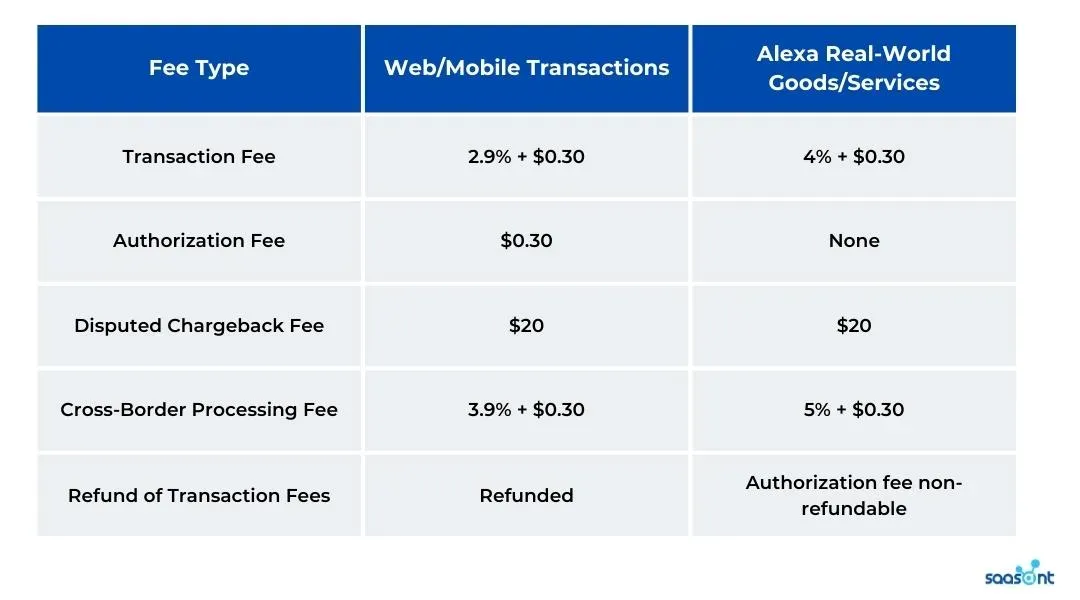
The most common surprise is the foreign transaction fee. Many crypto cards waive domestic ATM fees but charge 1-3% on international purchases. If you travel or shop on global sites, this fee applies to every transaction, turning a 1% cashback reward into a net loss. Always check the card’s terms for "foreign exchange" or "international usage" clauses.
Another hidden cost is the inactivity fee. Some issuers charge a monthly maintenance fee if you don’t use the card for 90 days. This is a common tactic to encourage usage or to recoup costs from dormant accounts. If you plan to use the card for occasional large purchases, verify whether inactivity penalties apply.
When a cheap buy stops being cheap
A card with a high annual fee might be cheaper in the long run if it offers substantial cashback. Conversely, a no-fee card with low cashback rates can cost more if you spend heavily. Calculate the break-even point: how much do you need to spend to offset the annual fee with rewards?
For example, if a card charges $50 annually but offers 3% cashback on all purchases, you’d need to spend roughly $1,667 per year to break even. If you spend less than that, the no-fee card is likely the better option. Use this simple math to compare cards based on your actual spending habits, not just the advertised rates.


As an Amazon Associate, we may earn from qualifying purchases.
Crypto debit cards 2026: what to check next
Choosing a crypto debit card requires looking past the headline cashback rates to understand how the card actually handles your funds during a transaction.
Do crypto debit cards report to credit bureaus?
Most crypto debit cards are prepaid or secured, meaning they do not report to major credit bureaus like Equifax or TransUnion. Because you are spending your own deposited funds rather than borrowing, these cards typically do not help build your credit history. If improving your credit score is a primary goal, a traditional credit card or a credit-builder loan is a better fit.
How are crypto-to-fiat conversions taxed?
In many jurisdictions, converting cryptocurrency to fiat currency at the point of sale is a taxable event. When you buy coffee with Bitcoin, the system sells a fraction of your BTC, potentially triggering a capital gains calculation based on the difference between your cost basis and the current fiat value. Always check your local tax laws to determine if your card provider reports these transactions to tax authorities.
Are crypto debit cards available outside the US?
Availability varies significantly by region. Major providers like Coinbase and Crypto.com operate globally but often restrict specific features, such as cashback rewards, in certain countries. Newer entrants like MetaMask and Ledger emphasize global accessibility, but you should verify if the card supports your local currency and if ATM withdrawal fees apply in your specific region.
Can I lose my crypto if the card provider goes bankrupt?
This is a critical risk. If you deposit crypto directly into the card’s custodial wallet, your assets may be commingled with the provider’s operating funds. In a bankruptcy scenario, unsecured creditors could be left with little to recover. To mitigate this, use cards that allow you to spend from a linked non-custodial wallet or keep only small, spendable amounts on the card itself.
No comments yet. Be the first to share your thoughts!