
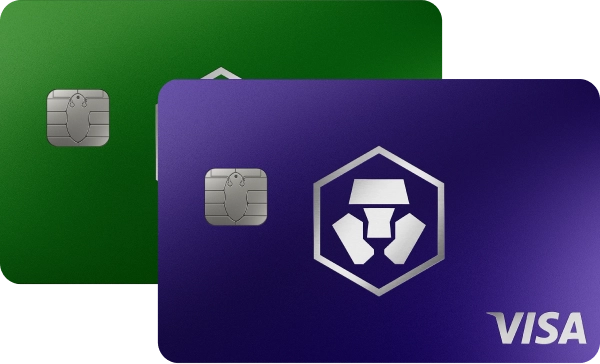
Top crypto card picks for 2026
Choosing the right crypto card depends on how you plan to spend. Some cards reward everyday purchases with stable cashback, while others offer higher yields for those actively managing digital assets. Below are the top picks for 2026, categorized by spending style.
Best for everyday spending: Gemini Credit Card
The Gemini Credit Card is designed for users who want to spend normally without worrying about market volatility. It offers up to 2% cashback on all purchases, paid out in Gemini Dollar (GUSD), a fully reserved stablecoin. This means your rewards maintain their value relative to the US dollar, making it ideal for groceries, gas, and daily retail purchases. There are no annual fees, and the card operates on the Visa network, ensuring wide acceptance globally. For more details on its features, visit the Gemini website.
Best for heavy crypto users: Coinbase One Card
If you hold significant cryptocurrency, the Coinbase One Card maximizes the utility of your portfolio. By locking assets into Coinbase One, you can earn up to 4% cashback on purchases, paid in the cryptocurrency you choose. This card is best suited for those who are comfortable with crypto volatility and want to leverage their holdings for maximum rewards. The card also offers 1% cashback on all other spending and no annual fee for qualified members. Learn more about eligibility and benefits on the Coinbase website.
Best for international travel: Crypto.com Visa Card
For frequent travelers, the Crypto.com Visa Card provides a robust tiered rewards system with no foreign transaction fees. Depending on the tier you qualify for, you can earn up to 5% back on everyday spending, with higher tiers offering additional perks like airport lounge access and travel insurance. The card supports multiple cryptocurrencies for rewards, allowing you to earn in the asset of your choice. This flexibility makes it a strong contender for those who spend across borders. Check the latest tier requirements on the Crypto.com cards page.


As an Amazon Associate, we may earn from qualifying purchases.
How crypto cards turn digital assets into cash
A crypto card bridges the gap between digital assets and everyday purchases by converting your tokens into fiat currency at the point of sale. When you swipe or tap your card, the processor sells the necessary amount of cryptocurrency from your linked wallet or account and deposits the equivalent local currency into the merchant transaction. This process happens in seconds, allowing you to spend Bitcoin, Ethereum, or stablecoins at any merchant that accepts Visa or Mastercard.
The mechanics behind this conversion fall into two main categories: custodial and non-custodial models. Custodial cards, such as those offered by platforms like Nexo, hold your assets on your behalf. The platform manages the private keys and executes the conversion internally. This approach offers convenience and often faster transaction speeds, but it requires you to trust the provider with your funds. If the platform faces regulatory issues or insolvency, your assets are at risk.
Non-custodial cards connect directly to your self-custody wallet, such as MetaMask or a hardware wallet. These cards use smart contracts or API integrations to trigger a swap on a decentralized exchange (DEX) or a centralized exchange only when you spend. You retain full control of your private keys, which significantly reduces counterparty risk. However, this model can involve higher gas fees during network congestion and slightly slower confirmation times depending on the blockchain used.
Understanding this trade-off is critical for managing risk. Custodial solutions prioritize ease of use and integration with traditional banking infrastructure, making them suitable for everyday spending. Non-custodial options prioritize security and autonomy, appealing to users who want to avoid handing over control of their assets. Most top crypto debit cards in 2026 offer hybrid options, allowing users to choose between a pre-funded fiat balance for speed or direct wallet connections for control.
Comparing rewards rates and fee structures
Choosing the right crypto card comes down to a simple trade-off: higher rewards usually mean higher costs or stricter spending limits. To find the best fit, you need to look at the specific numbers for cashback, annual fees, and foreign transaction charges rather than relying on general marketing claims. The following table breaks down the financial metrics for the top-performing cards identified in current market analysis.
| Card | Rewards Rate | Annual Fee | Foreign Transaction Fee |
|---|---|---|---|
| Gemini Credit Card | 2% on all purchases | $0 | 2% |
| Coinbase One Card | 4% on Coinbase spending, 1% elsewhere | $300 | 0% |
| Wirex Card | Varies by tier (up to 2%) | $0–$50 | 0.5%–2% |
| Bleap Card | 1%–3% depending on spend | $0 | 1% |
The Gemini Credit Card stands out for its simplicity. With a flat 2% reward on every purchase and no annual fee, it removes the complexity of tracking spending categories. This structure is ideal for users who want straightforward value without managing a subscription tier. However, the 2% foreign transaction fee can add up if you travel frequently or shop on international sites.
In contrast, the Coinbase One Card offers a premium experience for heavy crypto users. The 4% reward on Coinbase-related spending is significantly higher than standard cashback cards, but it requires a $300 annual fee and a minimum $10,000 monthly Coinbase spend to justify the cost. The benefit here is the 0% foreign transaction fee, which makes it a strong contender for international travelers who already use Coinbase regularly.
For those seeking flexibility, the Wirex Card and Bleap Card offer tiered systems. Wirex allows users to lock in rates or spend to achieve higher tiers, while Bleap focuses on a no-fee structure with moderate rewards. These cards are better suited for users who can strategically manage their spending to maximize tier benefits, rather than those who prefer a set-it-and-forget-it approach.
Choosing the right card for your spending habits
The best crypto card depends entirely on how you live. A card that rewards travel is useless if you spend most of your time buying groceries. To pick the right best crypto card 2026 option, match the reward structure to your largest expense categories.
Travelers and Frequent Flyers
If you spend heavily on flights, hotels, and dining out, prioritize cards with high multipliers in these categories. Many top-tier crypto cards offer 3% to 5% back on travel purchases, often paid out in stablecoins or Bitcoin. This structure turns routine expenses into significant crypto holdings without requiring complex point redemption systems.
Daily Groceries and Subscriptions
For most households, groceries and recurring subscriptions represent the biggest monthly outlay. Choose a card that offers elevated cashback on supermarkets, gas stations, and digital services. These categories provide consistent, high-frequency rewards that compound quickly over time, especially when the payout is automatic.
Large Crypto Holders
If you already hold a substantial amount of Bitcoin or Ethereum, you might prefer a card that pays rewards in your native assets. Some cards allow you to select your reward currency, letting you earn more BTC or ETH on every swipe. This approach aligns your spending with your long-term investment thesis, effectively dollar-cost averaging into your portfolio with every purchase.


As an Amazon Associate, we may earn from qualifying purchases.
Frequently asked questions about crypto cards
Which crypto card offers the best rewards in 2026?
The best crypto card depends on your spending habits and preferred asset. Cards like the Offgrid Cash card are popular for users who want to spend USDT or Bitcoin directly as if they were real money, minimizing the need to move funds between exchanges. For traditional cashback seekers, cards that offer flat-rate crypto rewards on all purchases often provide the most consistent value without complex category tracking.
Is it safe to use a crypto card for daily purchases?
Using a crypto card is generally safe if you choose a reputable issuer. The primary risk isn't the transaction itself, but the volatility of the underlying asset. When you spend crypto, the transaction is settled in fiat currency by the card network, protecting you from price swings during the purchase process. However, ensure the card issuer is regulated and offers standard fraud protection similar to traditional credit cards.
What is the top stablecoin for card spending?
USDT (Tether) remains the largest stablecoin on Ethereum by circulating supply, with approximately $58 billion in April 2026. USDC follows at roughly $38 billion. Together, they account for over 85% of stablecoin supply on Ethereum mainnet. For card users, USDT is often preferred for its widespread acceptance across crypto-native platforms, while USDC is favored for its regulatory transparency.
Will crypto card fees decrease in 2026?
As the market matures, fees are becoming more competitive. Many new entrants are offering zero annual fees and lower FX fees to capture market share. However, network fees and crypto conversion spreads still apply. It is essential to read the fine print, as some cards charge high fees for ATM withdrawals or international transactions, which can quickly erode any rewards earned.
No comments yet. Be the first to share your thoughts!