
How to choose a crypto card
Selecting the right crypto card requires understanding two distinct structural models: custodial versus non-custodial, and debit versus credit. These choices dictate how your funds are secured, how quickly transactions clear, and whether you can earn rewards on idle balances.
Custodial cards, such as those offered by Nexo, act like traditional bank accounts. The provider holds your private keys and manages the conversion of cryptocurrency to fiat currency at the point of sale. This structure offers convenience and easier recovery if you lose access, but it introduces counterparty risk. If the platform is hacked or goes insolvent, your funds are vulnerable. Non-custodial cards, by contrast, connect directly to your self-custody wallet. You retain full control of your keys, which eliminates platform risk but requires a deeper understanding of security protocols. A critical warning applies here: custodial cards hold your keys, while non-custodial cards require self-custody. Your choice should align with your comfort level with technical security versus institutional trust.
The second major decision involves the funding mechanism. Crypto debit cards are linked to a balance of cryptocurrency that is converted to fiat currency in real-time. You can only spend what you already own, which prevents debt and interest charges. This model is ideal for daily spending where you want to avoid market volatility on funds you intend to use immediately. Crypto credit cards, however, function like traditional credit lines. They may offer higher rewards or cashback on crypto holdings, but they often come with annual fees and require a credit check. Some platforms allow you to borrow against your crypto assets to fund the card, which introduces liquidation risk if the asset price drops.
When evaluating options, prioritize transparency in fee structures and the reputation of the underlying provider. Official sources and primary research should guide your assessment of security measures and regulatory compliance. Avoid cards that obscure their conversion fees or lack clear terms regarding liability for unauthorized transactions. The goal is to find a card that integrates smoothly into your existing financial workflow without exposing you to unnecessary technical or financial risk.
Best overall crypto card for rewards
The Gemini Credit Card® stands out as the best all-around choice for users who want to maximize crypto rewards on everyday purchases without navigating complex tier systems. Unlike cards that require locking up funds in volatile tokens to access higher cashback rates, Gemini offers a straightforward flat-rate reward structure.
This card delivers 2% back in Gemini Dollars (GUSD) on all purchases. GUSD is a regulated, fully reserved stablecoin pegged 1:1 to the US dollar, which removes the risk of reward devaluation. For the average spender, this consistency is more valuable than a theoretical 5% return that comes with heavy strings attached.
The card also features no annual fee and no foreign transaction fees, making it a practical tool for travel and daily spending alike. While some competitors like the Coinbase One Card offer higher rewards for specific categories or require large crypto holdings to qualify, Gemini’s barrier to entry is low and its benefits are immediate.
For those who prefer to hold traditional fiat or want to avoid crypto volatility entirely for their spending, this card provides a clean bridge. You can redeem GUSD for cash, use it to buy other cryptocurrencies, or spend it directly if you hold a Gemini wallet. The simplicity of the 2% flat rate makes it the most reliable pick for consistent rewards.
| Card | Reward Rate | Annual Fee | Reward Type |
|---|---|---|---|
| Gemini Credit Card® | 2% flat | $0 | Stablecoin (GUSD) |
| Coinbase One Card | Up to 4% | $29.95/mo | BTC, ETH, or GUSD |
| Crypto.com Visa | Up to 5% | $0-$450 | CRO Token |
High yield on idle crypto
Most crypto cards focus on rewards for spending, but a smaller group of platforms let your deposited funds earn interest while you wait. This approach turns idle capital into a productive asset rather than letting it sit dormant in a wallet.
Nexo is a leading option in this space. The platform allows users to deposit cryptocurrency to secure their card, and those deposits can earn interest through lending markets. This model appeals to holders who want liquidity for spending without liquidating their positions.
Zeal offers a similar structure by integrating with the Aave lending protocol. Users can deposit funds to back their card spending power while earning yields from the Aave platform. The deposits remain accessible 24/7, ensuring that your funds work for you without locking up your ability to spend.
Everyday spending with low fees
For daily purchases, the best crypto cards are those that disappear into the background. You want a card that accepts major networks like Visa or Mastercard, charges little to no transaction fees, and converts your crypto to fiat instantly without you noticing the friction. The goal is practical utility: spend your Bitcoin or stablecoins at the grocery store or coffee shop without worrying about foreign transaction fees or complex staking requirements.
RedotPay has emerged as a strong option for this specific use case. The platform allows holders to spend Bitcoin (BTC), Ethereum (ETH), and Tether (USDT) directly. By focusing on low fees and broad acceptance, RedotPay positions itself as a practical tool for everyday spending rather than a speculative rewards vehicle. This makes it suitable for users who want to use their crypto assets for real-world transactions without penalty.
When choosing a card for daily use, look for providers that do not require you to stake assets to access basic features. The Bybit Card, for example, is a Mastercard debit card designed for both active traders and everyday users, with no staking requirements. This accessibility ensures that your card works wherever Mastercard is accepted, making it a reliable companion for routine expenses.


As an Amazon Associate, we may earn from qualifying purchases.
Key factors to compare before applying
Before applying for a crypto card, treat the selection process like due diligence for a financial product. The landscape shifts quickly, so relying on outdated reviews can lead to unexpected fees or account restrictions. Focus on the specific mechanics of how the card converts crypto to fiat, as this determines your actual spending power and cost basis.
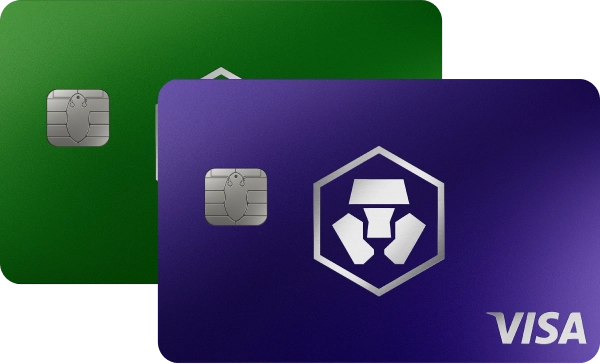
Most cards do not let you spend every token. Verify if the card supports the specific assets you hold, such as Bitcoin, Ethereum, or stablecoins like USDC. Pay close attention to the conversion spread; some providers charge a hidden markup when swapping crypto to fiat at the point of sale. A lower annual fee means little if you lose 2% on every transaction through poor exchange rates.
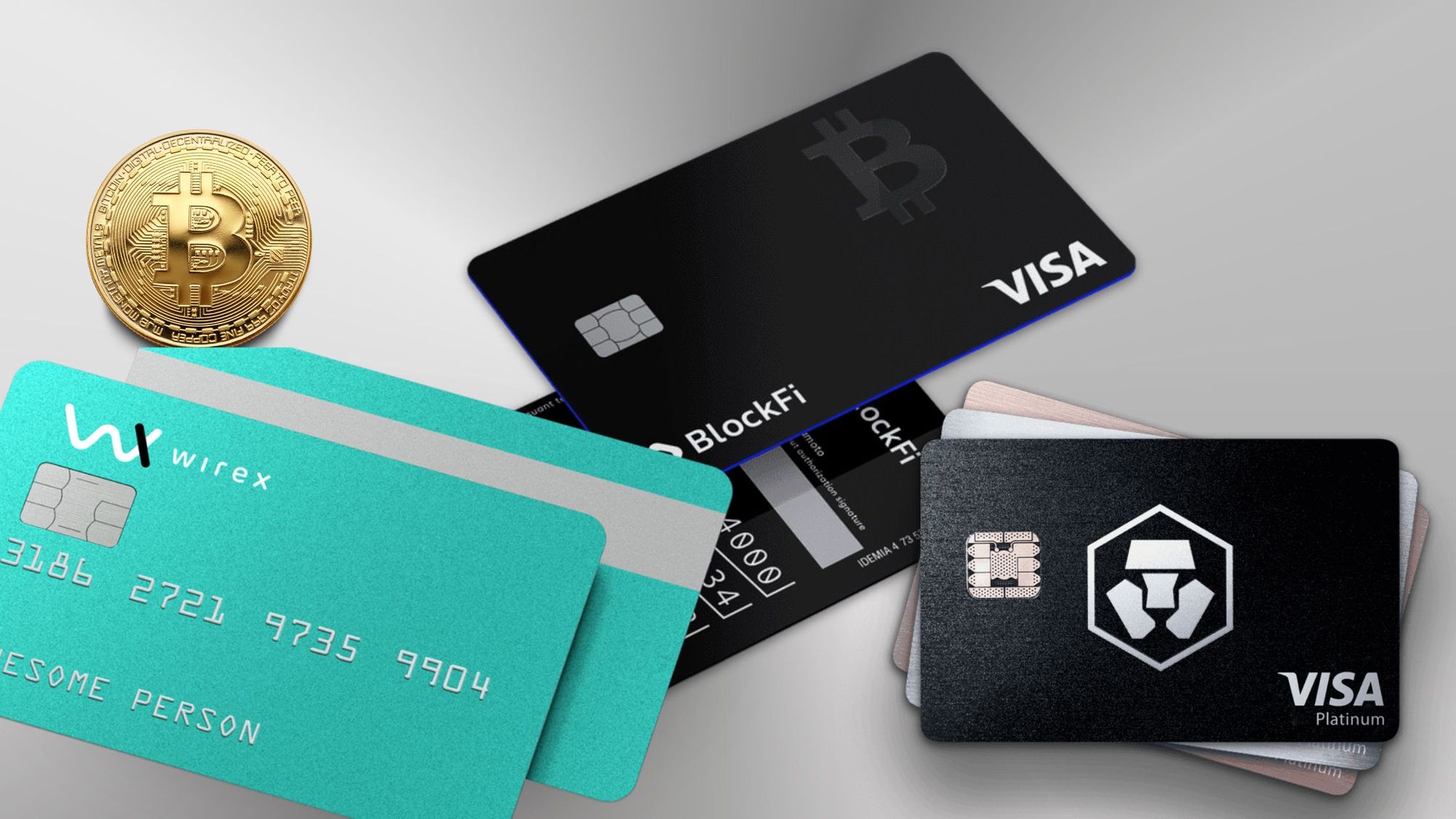
Regulatory restrictions vary significantly by region. A card available in the United States may be inaccessible in the European Union or Asia due to local banking laws. Always confirm that the issuer explicitly supports your country of residence before spending time on the application. Applying from an unsupported region often results in immediate rejection or frozen funds.
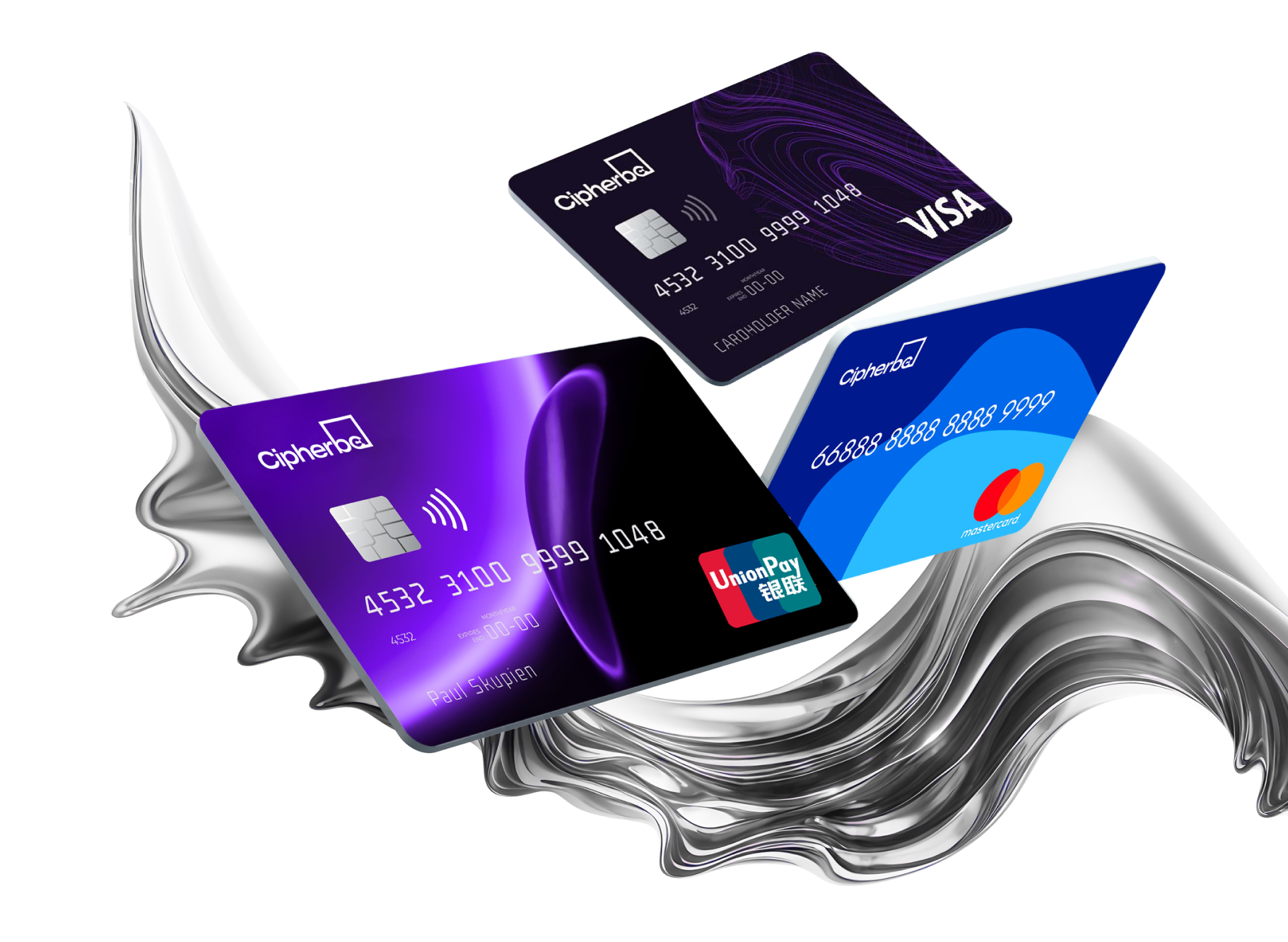
Know Your Customer (KYC) protocols are mandatory for most regulated crypto cards. Expect to submit government-issued ID, proof of address, and sometimes a selfie for facial recognition. The verification process can take anywhere from a few hours to several days. If you need immediate access to funds, choose a provider with instant verification capabilities, though these may have lower initial spending limits.
The best card for your situation depends on how frequently you spend and which assets you prioritize. By checking these three factors first, you avoid the common pitfall of signing up for a card that cannot support your specific crypto portfolio or location.
Frequently asked questions about crypto cards
Which stablecoin is best for spending? USDT (Tether) remains the largest stablecoin on Ethereum by circulating supply, with approximately $58 billion in April 2026. USDC is second at roughly $38 billion. Together they account for over 85% of stablecoin supply on Ethereum mainnet. DAI, USDe, and USDS follow in the $3-6 billion range each, offering alternatives for users prioritizing decentralization or specific regulatory compliance.
Are crypto cards taxable events? Yes. Spending crypto via a debit card is generally treated as a taxable disposition of assets in many jurisdictions. When you use your card, the system sells the crypto to cover the purchase, triggering capital gains or losses based on the difference between the sale price and your original cost basis. Always track these transactions for tax filing purposes.
How do crypto card fees compare to traditional banks? Crypto cards often charge higher fees than standard checking accounts, including monthly maintenance fees, ATM withdrawal fees, and foreign transaction fees. However, many providers waive monthly fees if you hold a minimum amount of crypto in their ecosystem. Always compare the fee schedule against the rewards structure to determine the net benefit.
No comments yet. Be the first to share your thoughts!