
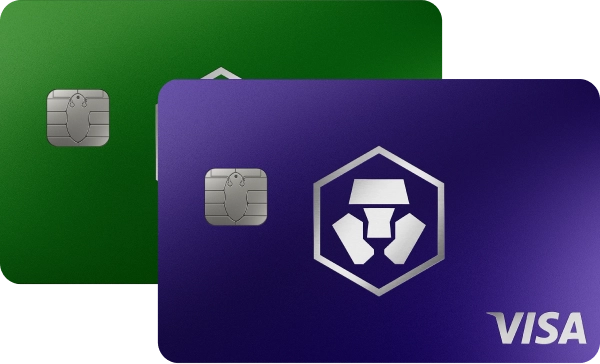
How crypto cards actually work
Most crypto cards are not direct spending tools for digital assets. They function as prepaid or debit cards linked to a custodial wallet. When you make a purchase, the card provider instantly converts your cryptocurrency into fiat currency (such as USD or EUR) to complete the transaction with the merchant.
This conversion mechanism is critical for understanding the risks and rewards. You are not spending Bitcoin directly at the store; you are selling it the moment you swipe. This means you trigger a taxable event in many jurisdictions every time you buy coffee. It also means you are exposed to conversion fees and potential slippage if the market moves rapidly during the split-second transaction.
While some platforms offer "credit" features, these often involve borrowing against your crypto holdings or using stablecoins. True credit cards that pay rewards in crypto without immediate conversion are uncommon. Understanding this distinction prevents surprises when your statement arrives in dollars, not tokens.
Best crypto cards for everyday spending
For daily purchases, the most reliable crypto cards function as standard debit or credit instruments that settle in fiat at the point of sale. This structure eliminates the volatility risk of spending directly from volatile assets while allowing you to earn rewards on transactions you would make anyway. The best options for this use case prioritize broad merchant acceptance, low or no annual fees, and straightforward reward rates.
Crypto.com Visa Card
The Crypto.com Visa Card remains a dominant choice for everyday spending due to its widespread acceptance and tiered reward structure. Users can earn up to 5% cashback on purchases depending on their staking level, with the standard tier offering a solid 1-2% return. The card is issued by MetaBank and backed by the Mastercard network, ensuring it works at millions of merchants globally. A key feature is the ability to switch between crypto and fiat balances for spending, providing flexibility.
Gemini Credit Card
The Gemini Credit Card is frequently cited as a top option for users who want to earn crypto rewards without managing a separate wallet balance for spending. It offers 2% cashback in Gemini dollars on all purchases, which can be used to buy additional cryptocurrency or held as a stable asset. Because it is a credit card, it builds credit history and offers fraud protection that debit cards lack. The card has no annual fee and requires no minimum balance to activate, making it accessible for casual users.
Coinbase Card
The Coinbase Card integrates directly with the Coinbase exchange, allowing users to earn rewards in the cryptocurrency they choose from a basket of options. This flexibility is useful for those who want to accumulate specific assets like Bitcoin or Ethereum alongside their daily spending. The card offers up to 4% back in crypto on purchases when holding certain amounts of Coinbase assets. It is particularly useful for active crypto investors who want to compound their holdings through everyday transactions.

As an Amazon Associate, we may earn from qualifying purchases.
High rewards cards for heavy users
If you hold significant crypto assets or spend heavily, standard cashback rates often feel insufficient. Premium crypto cards address this by offering tiered rewards structures that scale with your portfolio size or monthly spend. These cards function like financial leverage: the more capital you commit or the more volume you process, the better the effective return on your everyday purchases.
The Nexo Custodial Card stands out for users willing to lock up assets. By staking NEXO tokens, cardholders can unlock higher cashback percentages on crypto purchases and fiat spending. This model appeals to long-term holders who want their idle assets to work harder without selling. However, the trade-off is liquidity; your capital is tied up in the staking contract to maintain the premium tier.
For those who prefer spending flexibility over asset locking, the Crypto.com Visa Card offers a tiered system based on the amount of CRO staked. Higher tiers provide increased cashback rates on eligible transactions, along with perks like higher ATM withdrawal limits and lounge access. The key is calculating whether the opportunity cost of staked CRO outweighs the additional rewards generated from your specific spending habits.
| Card Name | Reward Structure | Minimum Requirement | Best For |
|---|---|---|---|
| Nexo Custodial | Tiered cashback via staking | Stake NEXO tokens | Long-term asset holders |
| Crypto.com Visa | Tiered cashback via CRO stake | Varies by tier (CRO amount) | High-volume spenders |
| Binance Card | Cashback on crypto purchases | Binance account | Active Binance traders |
These cards are not for everyone. They require discipline to manage the underlying staked assets and an understanding of the fee structures involved. If you cannot commit to holding the required assets for the long term, the rewards may not justify the liquidity risk. Always review the specific terms for each tier to ensure the rewards align with your actual spending patterns.
Low fee options for frequent travelers
Foreign transaction fees and ATM withdrawal charges can silently erode crypto rewards. A standard 3% foreign transaction fee on a $1,000 purchase wipes out $30 before you even see your statement. For frequent travelers, avoiding these costs is as important as the rewards rate itself.
The Wirex Card stands out for international users because it processes transactions in local currencies without adding a markup. It supports multi-currency accounts, allowing you to hold and spend in dozens of fiat currencies. This structure prevents the dynamic currency conversion traps that other cards impose at the point of sale.
Similarly, the Bleap Card is designed with low fees as a core feature. It explicitly markets itself to users who travel often, offering competitive withdrawal limits and minimal transaction markups. While its reward structure may differ from premium travel cards, the absence of hidden fees makes it a practical choice for daily spending abroad.
When comparing these options, look beyond the headline APY. Check the specific ATM withdrawal limits and whether the card charges a percentage fee on cash advances. The best card for travel is the one that lets you spend your crypto without the bank taking a significant cut before the transaction clears.
How to evaluate crypto card features
Choosing a crypto card requires looking beyond the headline rewards rate. The underlying mechanics—specifically which coins are supported, how your assets are held, and who regulates the issuer—determine the actual risk and utility of the product.
Supported coins and liquidity
Not all cards support the same digital assets. While major cards like the Crypto.com Visa or Coinbase Card allow spending directly from Bitcoin, Ethereum, and USDC, others may be limited to stablecoins or specific exchange tokens. If you hold a diverse portfolio, verify that your primary assets are eligible for instant conversion at the point of sale. Some cards impose higher fees or lower cashback rates for less liquid coins.
Custodial vs. non-custodial control
Most mainstream crypto cards are custodial, meaning the issuer holds your private keys and manages the conversion of crypto to fiat. This simplifies spending but introduces counterparty risk. If the platform fails, your assets may be frozen. Non-custodial options, such as those offered by Nexo, allow you to retain control of your keys while still enabling spending through collateralized loans or direct conversions. For high-stakes holdings, understanding who controls the keys is essential.
Regulatory compliance and jurisdiction
Regulatory status varies significantly by region. Cards issued by entities licensed in the EU or UK often adhere to stricter consumer protection standards than those based in offshore jurisdictions. Always check if the issuer is registered with relevant financial authorities, such as the FCA in the UK or state-level money transmitter licenses in the US. This compliance layer is your primary defense against fraud and insolvency.
-
Verify supported coins match your portfolio
-
Check if the card is custodial or non-custodial
-
Confirm regulatory licenses in your jurisdiction
-
Review annual fees and foreign transaction costs
-
Understand reward caps and expiration policies
Frequently asked questions about crypto cards
Which crypto card offers the best cashback for daily spending?
The Crypto.com Visa Card offers the highest potential cashback rates, reaching up to 5% for users who stake significant amounts of CRO. However, for users who do not wish to lock up capital, the Gemini Credit Card provides a consistent 2% back in Gemini dollars with no annual fee. The Coinbase Card is a strong alternative for those who prefer earning rewards in specific cryptocurrencies like Bitcoin or Ethereum rather than stablecoin equivalents.
Are crypto cards safe for high-value purchases?
Crypto cards offer convenience, but they carry unique risks compared to traditional credit cards. You are often exposed to exchange volatility and potential smart contract vulnerabilities if the card provider holds your funds in non-custodial wallets. Additionally, crypto transactions are generally irreversible, meaning fraud protection is less robust than the chargeback systems offered by Visa or Mastercard. For high-stakes financial decisions, consider using crypto cards for smaller, routine expenses while keeping larger holdings in secure, cold-storage wallets.
How do I avoid foreign transaction fees with crypto cards?
To avoid foreign transaction fees, choose cards that explicitly waive these charges, such as the Wirex Card or the Bleap Card. These cards often support multi-currency accounts, allowing you to hold and spend in local fiat currencies without dynamic currency conversion markups. Always verify the fee schedule for ATM withdrawals as well, as these can also incur significant charges abroad.
No comments yet. Be the first to share your thoughts!