
How we picked the best crypto cards
We evaluated every card in this roundup using four strict criteria: fee transparency, cashback value, security infrastructure, and custody model. Our goal is to help you find a best crypto debit card that actually saves you money rather than charging hidden fees that erase your rewards.
Fees are the first filter. We prioritized cards with clear, predictable structures. If a card charges monthly maintenance fees, high ATM withdrawal fees, or steep FX conversion rates, it drops out of contention. We looked for cards that offer zero monthly fees and competitive FX rates, as these are the only ones that make sense for daily spending.
Security and custody are non-negotiable. We favor cards that offer robust security features like instant card freezing, virtual card generation, and biometric authentication. More importantly, we examined how your funds are held. Non-custodial options give you direct control over your assets, while custodial models require trust in the provider's solvency and insurance coverage.
Rewards are the final tiebreaker. We calculated net cashback by subtracting all applicable fees from the gross rewards. A card offering 3% cashback is useless if it charges $5 in monthly fees and $2 per ATM withdrawal. We ranked cards based on what you actually keep in your pocket after every transaction cost.
Coinbase Card: Best for simple US spending
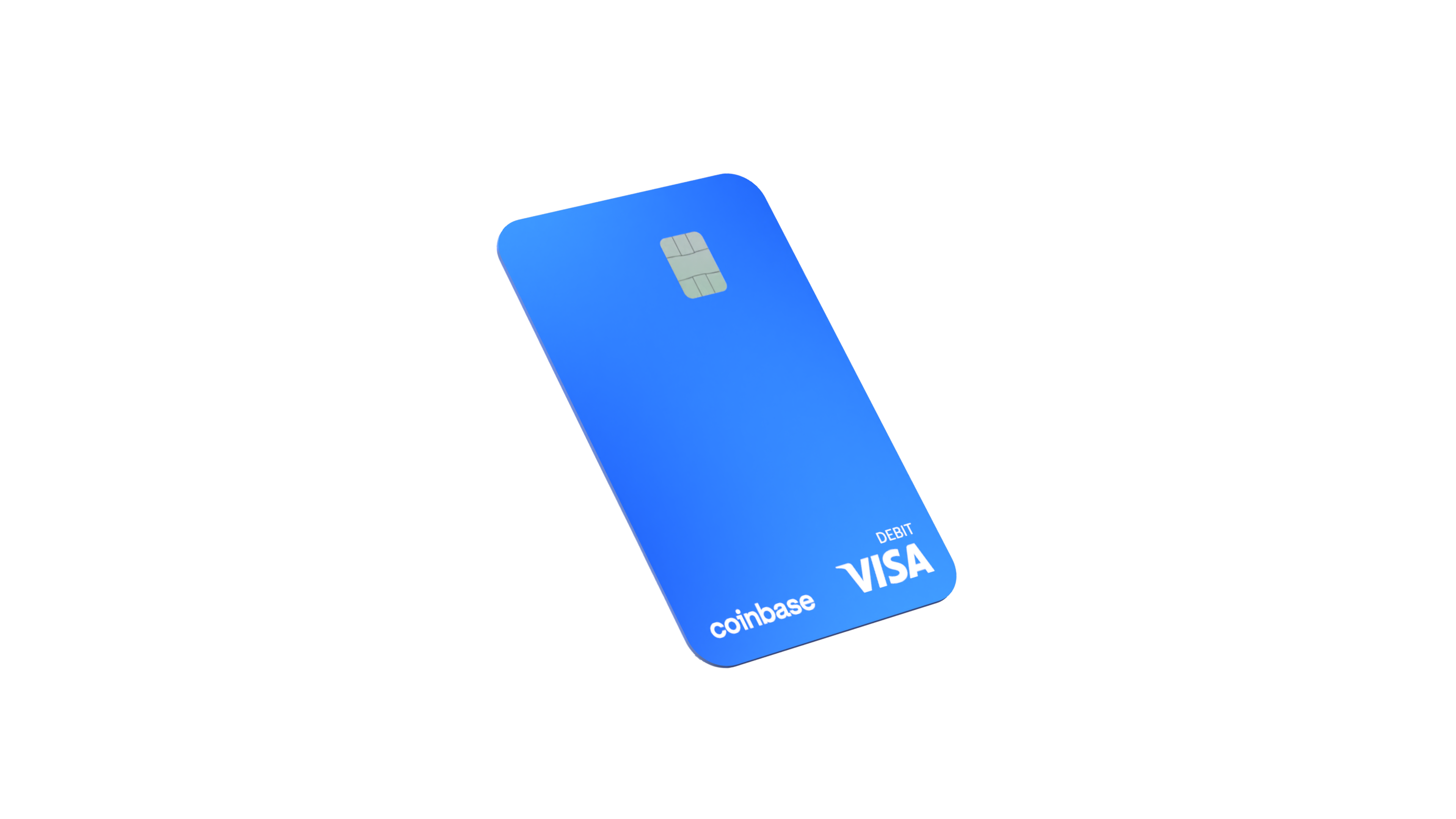
The Coinbase Card remains the default choice for mainstream US users seeking frictionless crypto spending. As one of the largest crypto exchanges in the United States, Coinbase has built a debit card that integrates directly with the platform's massive user base. This integration allows for instant conversion of digital assets into fiat currency at the point of sale, removing the need for manual transfers or separate banking steps.
Ease of Use and Integration
The primary advantage of the Coinbase Card is its simplicity. Users can link their existing Coinbase account and spend directly from their crypto holdings. The card works anywhere Visa is accepted, both online and in physical stores. This broad acceptance makes it a practical tool for everyday purchases, from groceries to gas.
Coinbase supports spending from a variety of cryptocurrencies, including Bitcoin, Ethereum, and stablecoins. The conversion happens in real-time, ensuring that the user spends the exact value of the selected asset. This feature is particularly useful for those holding volatile assets but needing to make purchases in stable fiat currency.
Fees and Rewards
While the Coinbase Card offers convenience, it is important to understand the fee structure. Coinbase charges a small transaction fee for converting crypto to fiat. These fees are typically lower than those of competing crypto debit cards, making it a cost-effective option for regular users. Additionally, Coinbase offers rewards in the form of crypto back on eligible purchases, providing an incentive for using the card.
For those wanting to maximize their rewards, Coinbase One offers enhanced benefits. This tiered membership provides higher cashback rates and lower transaction fees. It is an attractive option for high-volume spenders aiming to optimize their crypto spending strategy.
Comparison with Other Options
When compared to other crypto debit cards, the Coinbase Card stands out for its user-friendly interface and widespread acceptance. While some competitors offer more exotic features or higher reward rates, they often come with steeper learning curves or higher fees. The Coinbase Card strikes a balance between functionality and simplicity, making it an ideal choice for beginners and experienced crypto users alike.
| Feature | Coinbase Card | Competitor A | Competitor B |
|---|---|---|---|
| Monthly Fee | $0 | $5 | $10 |
| Crypto Back | Up to 1% | Up to 4% | Up to 2% |
| ATM Withdrawals | Free (first 5/mo) | $2.50 | $3.00 |
| Supported Crypto | BTC, ETH, etc. | BTC, ETH, USDC | BTC, ETH, LTC |

As an Amazon Associate, we may earn from qualifying purchases.
Crypto.com Visa: Best for high cashback tiers
Crypto.com stands out in the crypto debit card market for its aggressive cashback structure, which rewards users for locking up their native CRO tokens. Instead of offering flat rates, the platform uses a tiered system where higher staking levels unlock significantly better rewards. This model appeals to investors who already hold CRO or are willing to stake tokens to maximize spending benefits.
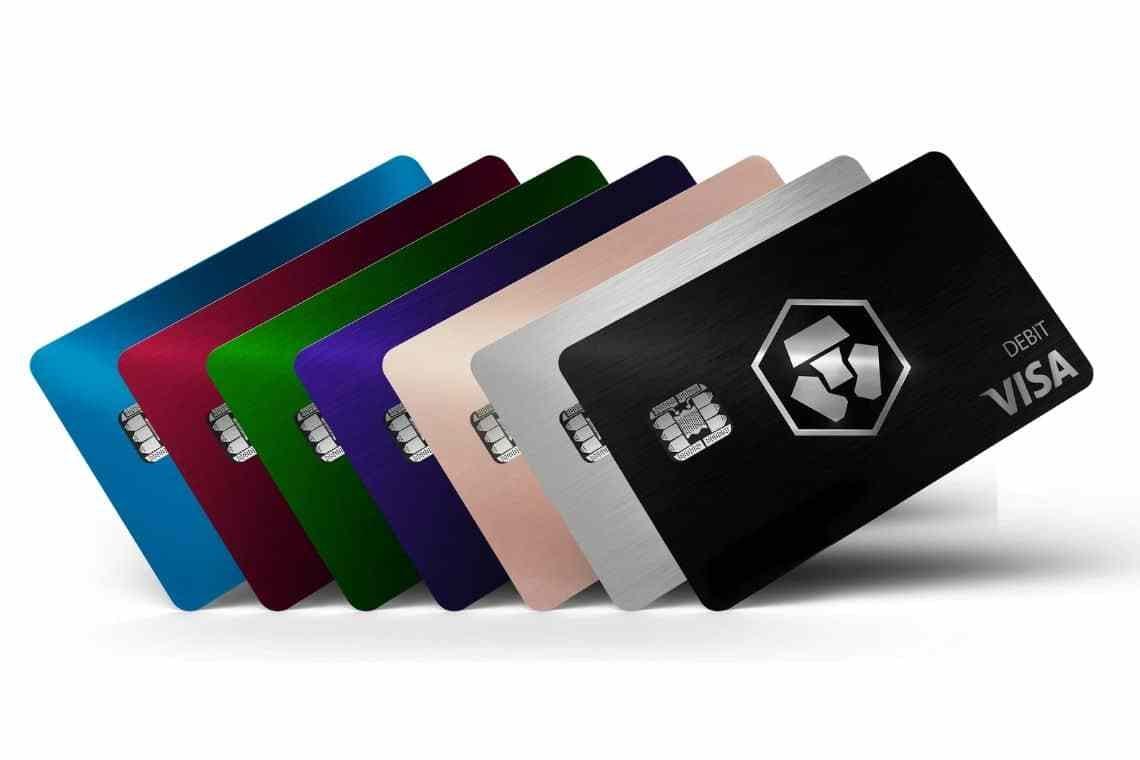
The card tiers range from the free Metallic card to the elite Icy White tier. Each level requires a specific amount of CRO staked for a set period. As you move up the tiers, the cashback percentage on eligible purchases increases, along with perks like higher Apple Music and Netflix reimbursements. For active spenders, the jump from 1% to 8% cashback represents a substantial difference in annual returns.
While the staking requirement creates a barrier to entry, it effectively aligns the card’s rewards with long-term token holding. Users should calculate whether the potential cashback outweighs the opportunity cost of locking their CRO. For those already committed to the ecosystem, it remains one of the most lucrative ways to spend crypto without immediate tax events on every transaction.
| Tier | CRO Staked | Cashback Rate | Sub Reimbursement |
|---|---|---|---|
| Metallic | $400 | 1% | $5 |
| Obsidian | $200,000 | 5% | $15 |
| Icy White | $500,000 | 8% | $20 |
Kast and Gnosis Pay: Best for self-custody
Most crypto debit cards require you to hand over your keys to a centralized exchange. This creates a single point of failure: if the platform freezes, gets hacked, or shuts down, your funds are gone. Kast and Gnosis Pay offer a different path. They are built for self-custody, meaning you control your private keys and your assets remain in your wallet until the moment you spend them.
Kast operates as a non-custodial Visa card. It connects directly to your Web3 wallet, allowing you to spend crypto without ever depositing funds into a third-party account. This approach prioritizes privacy and security. You retain full ownership of your assets, reducing counterparty risk significantly compared to traditional crypto debit providers.
Gnosis Pay takes a similar non-custodial approach but integrates with the Gnosis Chain ecosystem. It allows users to spend stablecoins and other assets directly from their wallets. By keeping assets in self-custody, these cards appeal to privacy-focused users who want to maintain control over their financial data and asset movement.
Comparing fees and rewards across top cards
Choosing the right crypto debit card comes down to how much you value cashback versus low transaction costs. A card offering 4% crypto back on groceries is less attractive if it charges $5 for every ATM withdrawal or a 3% foreign transaction fee. The goal is to find a card that aligns with your spending habits while minimizing the hidden costs that eat into your rewards.
The table below breaks down the financial mechanics of the leading options. We prioritize cards with transparent fee structures and competitive rewards rates, ensuring you know exactly what you pay and what you earn before you swipe.
| Card | Max Cashback | ATM Fee | Foreign Transaction Fee |
|---|---|---|---|
| Crypto.com Visa | 5% (Crypto)** | Free (tier dependent) | 0% |
| Coinbase Card | 1% (BTC) | $2 per withdrawal | 1.49% |
| Nexo Card | 0% (interest rebate) | 0% (first $500) | 0% |
| Kast Card | Up to 4% | $0 (partner ATMs) | 0% |
*Rewards rates often depend on tier levels, which may require holding specific amounts of native tokens or maintaining high balances. Always check the latest terms on the issuer's official website.
When comparing these options, look beyond the headline percentage. A flat 1% back on all purchases, like the Coinbase Card, offers simplicity and no tier requirements, making it a solid choice for casual users. In contrast, cards like Crypto.com or Kast require more active management to unlock their highest rewards, but they can significantly outperform traditional debit cards for high-volume spenders.
Foreign transaction fees are another critical factor. If you travel or shop on international websites, a 0% FX fee card like Nexo or Crypto.com can save you substantial money compared to cards charging 1.5% or more. Similarly, ATM fees can add up quickly; cards that offer free withdrawals up to a certain limit or through a specific network provide better liquidity without the penalty.
What to look for in a crypto card
Choosing the best crypto debit card requires looking past the cashback headline to the mechanics underneath. Two factors determine whether a card is safe and cost-effective: the custody model and the tax implications. Understanding these helps you avoid hidden fees and unexpected liabilities.
Custody models matter
The custody model defines who holds your private keys. In a custodial card, the provider stores your crypto and converts it to fiat when you spend. This is convenient but introduces counterparty risk; if the provider fails, you may lose access to funds. A non-custodial card lets you retain control of your keys, often using smart contracts or hardware wallets for transactions. While more secure, non-custodial options can have higher friction during checkout. Always verify which model a card uses before linking it to your daily spending.
Tax implications
In many jurisdictions, spending crypto is a taxable event. When you use a crypto debit card to buy coffee, the system sells a portion of your crypto to cover the cost. This sale may trigger capital gains or losses that you must report. For example, if you bought Bitcoin at $30,000 and spend it when it is worth $40,000, you owe tax on the $10,000 gain. Check your local tax authority’s guidance, such as the IRS or HMRC, to understand how crypto-to-fiat conversions are treated. Keeping detailed records of each transaction is essential for accurate filing.
FX fees and regional limits
Foreign transaction fees can erode rewards if you travel or buy online from international merchants. Look for cards that offer zero FX fees or competitive rates. Additionally, regional availability varies; some cards are restricted to specific countries due to regulatory requirements. Always confirm that the card is available in your region and check the fee schedule for ATM withdrawals and monthly maintenance.
Pre-purchase checklist
Before applying, run through this quick list to ensure the card fits your needs:
-
Verify the custody model (custodial vs. non-custodial)
-
Check for foreign transaction fees
-
Confirm regional availability
-
Review tax reporting requirements
-
Compare cashback rates against annual fees
Frequently asked questions about crypto cards
Can I buy food with a crypto debit card?
Yes, you can spend crypto on everyday meals. Services like Bitrefill and major card networks allow purchases at major chains including Starbucks, Domino’s, DoorDash, and Uber Eats. Your crypto is converted to fiat at the point of sale, letting you pay for groceries or delivery without holding the coins.
Do crypto debit cards charge monthly fees?
Most top-tier crypto debit cards, such as those from Coinbase or Crypto.com, offer zero monthly maintenance fees for standard accounts. However, premium tiers with higher cashback rewards may require a locked crypto balance or monthly subscription. Always check the fee schedule for ATM withdrawals and foreign transaction fees, which are common hidden costs.
Are crypto card transactions taxable?
Yes. Every time you use a crypto debit card, the transaction is treated as a disposal of cryptocurrency. The IRS views this as a sale of the asset at its fair market value at the time of purchase. If the value of the crypto has increased since you bought it, you owe capital gains tax on that difference.
What is the spending limit on crypto cards?
Spending limits vary by provider and verification level. Basic accounts often cap daily spending between $1,000 and $5,000. Higher limits require completing full KYC (Know Your Customer) identity verification. Some cards also tie limits to your total crypto balance, ensuring you only spend what you hold.
No comments yet. Be the first to share your thoughts!