
How we picked the best crypto cards
We evaluated crypto debit cards based on four practical factors: fees, rewards, custody, and availability. The goal is to find cards that actually save money when you spend crypto in the real world.
First, we looked at the fee structure. Many cards charge high foreign transaction fees or hidden conversion spreads. We prioritized cards with transparent, low-cost models. A card that offers 1% cashback but charges 3% per transaction is a net loss.
Second, we examined the rewards. Cashback rates vary widely. We focused on cards that offer meaningful returns on everyday spending, not just high tiers reserved for massive monthly volumes. Real cashback after fees matters more than headline percentages.
Third, custody is critical. We only considered cards from reputable providers that clearly explain how your funds are held. Whether the provider uses segregated accounts or insured custody, the mechanism must be transparent. If you cannot easily find where your money is stored, the card is too risky.
Finally, availability determines usefulness. A card with the best rewards is useless if it is not available in your region. We verified regional support for each recommendation, ensuring you can actually apply and use the card.
Our selection process relies on official documentation and verified user reports. We avoid cards with vague terms or unclear fee schedules. The recommendations below reflect cards that meet these strict criteria for 2026.
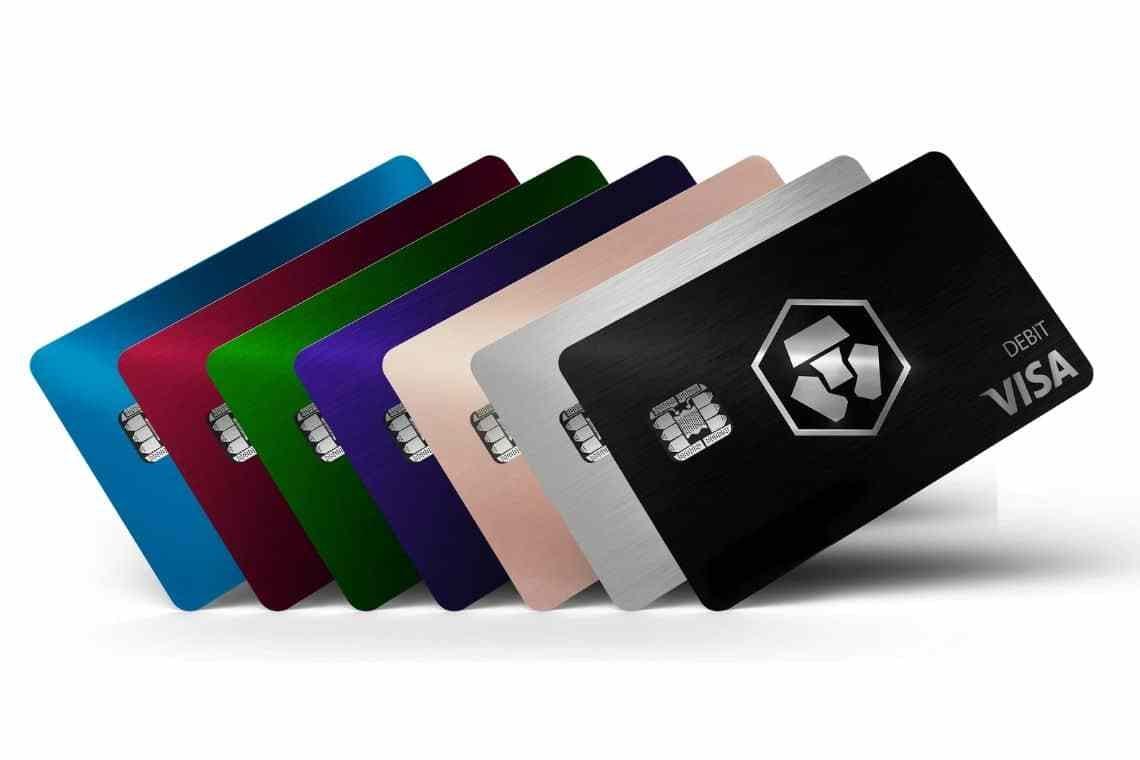
Best Overall Crypto Debit Card: Crypto.com Visa
For most users, the best crypto debit card is the Crypto.com Visa. It strikes the most practical balance between daily usability, rewards structure, and global acceptance. Unlike niche products that lock funds or charge heavy foreign transaction fees, this card functions like a traditional debit card while letting you spend crypto assets directly.
The card operates on the Visa network, meaning it is accepted at millions of merchants worldwide, including major retailers and travel booking platforms. This broad acceptance is a significant advantage over cards restricted to specific crypto-only ecosystems. You can load the card with various cryptocurrencies, including Bitcoin and Ethereum, and the system automatically converts them to fiat currency at the point of sale.
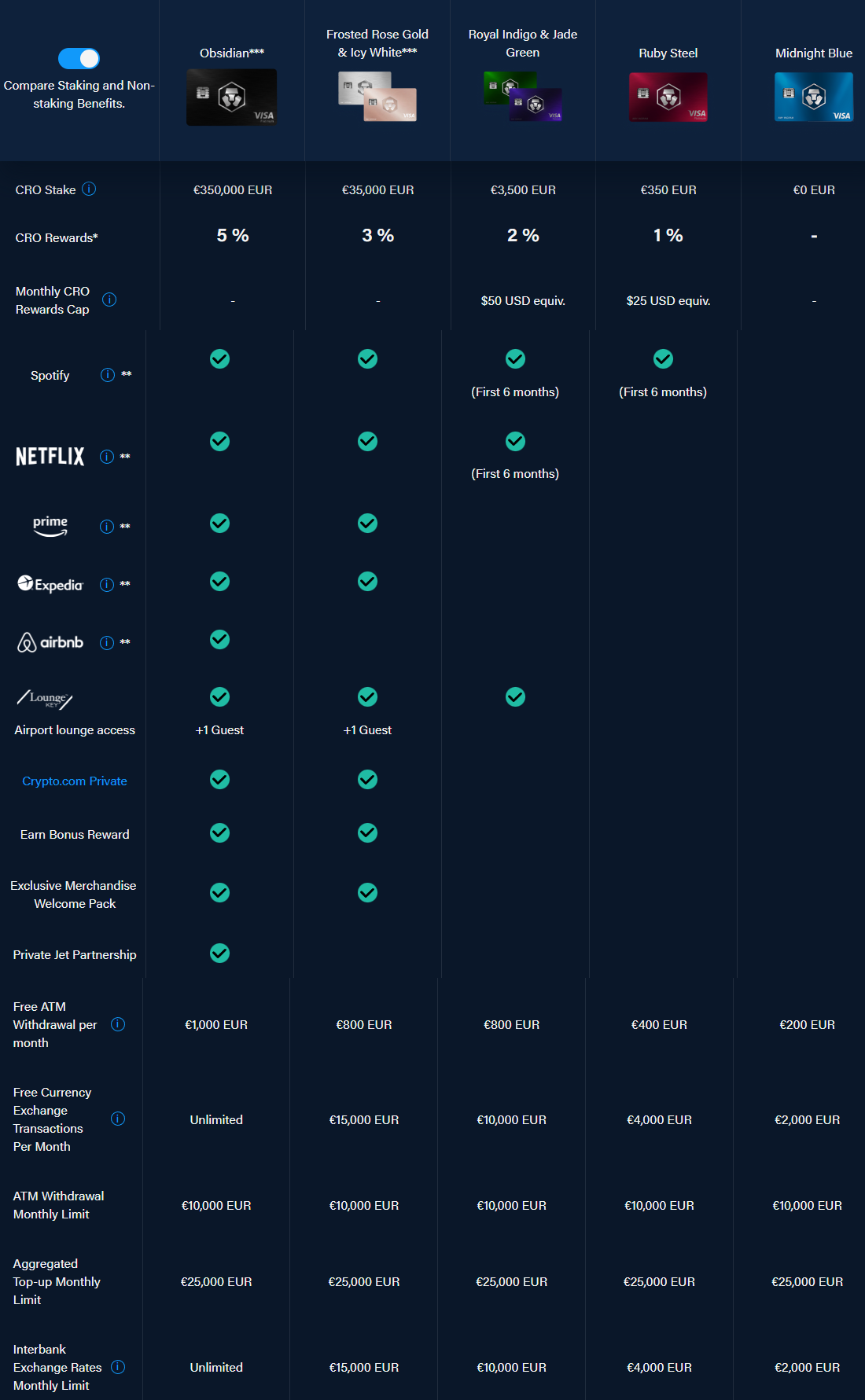
Rewards are tiered based on the amount of Crypto.com Coin (CRO) you stake. Even at lower tiers, users earn a percentage of cashback in CRO on eligible purchases. This structure allows users to customize their rewards by locking up their preferred amount of CRO for varying periods, from one month to four years. The higher tiers offer substantial cashback rates, making it a compelling option for active spenders who want to earn yield on their daily transactions.
The Crypto.com Visa also offers a suite of lifestyle benefits, such as free access to airport lounges, ride-sharing credits, and streaming subscriptions, depending on the tier. These perks add tangible value beyond simple cashback, effectively turning everyday spending into a way to offset subscription costs or travel expenses. For a user seeking a single card that handles both crypto exposure and everyday purchases without friction, this remains the top recommendation.

As an Amazon Associate, we may earn from qualifying purchases.
Best crypto debit cards for high cashback rewards
When you spend crypto on a debit card, the goal is to keep as much of that value as possible. Some cards offer tiered cashback structures that reward higher spending with higher percentages back. This approach turns everyday purchases into a way to grow your portfolio, provided the rewards outweigh the transaction fees.
Eco Card
The Eco Card stands out for its straightforward tiered structure. Users can earn up to 8% cashback on selected categories and 1% on general spending, depending on their staking level. The card supports multiple cryptocurrencies, allowing you to choose which asset backs your transactions. This flexibility helps you manage volatility while still capturing rewards.
Crypto.com Visa Card
Crypto.com offers a tiered system where cashback rates increase with the amount of CRO token staked. Higher tiers provide up to 5% cashback on all spending, making it a strong option for high-volume users. The card also includes access to premium perks like streaming subscriptions, which adds value beyond simple cashback.
Coinbase Card
Coinbase provides a flat 1% cashback on all purchases, paid in Bitcoin. While the percentage is lower than some competitors, the simplicity appeals to users who prefer not to manage complex staking requirements. The automatic conversion to Bitcoin means you are always accumulating one of the most established digital assets.
| Card | Max Cashback | Reward Structure |
|---|---|---|
| Eco Card | 8% | Tiered |
| Crypto.com | 5% | Stake-based |
| Coinbase | 1% | Flat |
Best for self-custody and privacy
For users who prioritize sovereignty over their assets, non-custodial crypto debit cards offer a way to spend without handing over private keys to an exchange. These cards link directly to your personal wallet, meaning you retain control of your funds until the moment of transaction. This model eliminates the counterparty risk associated with keeping large balances on centralized platforms, appealing to those who view self-custody as a fundamental security principle.
The most prominent option in this niche is the COCA wallet card. As a non-custodial solution, it allows users to spend crypto directly from their own wallet infrastructure. This approach ensures that your assets remain under your direct control, aligning with the ethos of decentralized finance while still providing the convenience of a physical payment method.
While the trade-off often involves slightly higher complexity in setup compared to exchange-issued cards, the security benefit is significant. By avoiding the need to deposit funds into a custodial account, you reduce the attack surface for potential breaches. For a comprehensive view of how these cards compare to traditional options in terms of global usability and fee structures, MetaMask provides a detailed comparison of leading crypto cards in 2026.
Crypto card fees and tax implications
When you swipe a crypto debit card, the price tag on your screen rarely matches the final cost. Most providers charge a foreign transaction fee of 1% to 2% on purchases made outside your home currency. This fee applies even if you are traveling domestically but the merchant processes the payment in a different currency. Some premium cards, like the Coinbase One Card, waive these fees, but you must check the specific terms before you pack your bags.
ATM withdrawals are another common trap. While the card network itself may not charge a fee, the ATM operator often does. You will see a separate surcharge on your receipt, usually between $2 and $5 per withdrawal. If you use a card from a different network, you might face additional costs. The Gemini Credit Card and other major issuers often partner with specific ATM networks to reduce these costs, but relying on out-of-network machines can quickly erode your balance.
The most significant hidden cost is tax. In the United States, the IRS treats cryptocurrency as property. Every time you spend crypto using a debit card, it is a taxable event. You must calculate the capital gains or losses based on the difference between the fair market value when you acquired the crypto and its value when you spent it. This applies to every coffee, grocery run, or online purchase. Keeping track of these micro-transactions for tax purposes can be complex and time-consuming.
To stay compliant, you need a clear record of every transaction. Most card issuers provide monthly statements, but they may not break down the cost basis for each spend. You might need to use third-party tax software to track your holdings and sales. Ignoring these tax obligations can lead to penalties and interest. Always consult a tax professional to understand how crypto spending affects your specific financial situation.
Frequently asked questions about crypto cards
Do I need a high credit score to get a crypto debit card?
Unlike traditional credit cards, most crypto debit cards do not perform a hard credit check because they are not lending products. They are prepaid debit cards linked to your digital asset wallet. This means eligibility is primarily based on identity verification (KYC) rather than creditworthiness. However, because they are regulated financial instruments, you must still be at least 18 years old and reside in a supported jurisdiction to open an account.
Are crypto debit cards safe for everyday spending?
Security relies on how you manage your private keys and card settings. Reputable providers like Crypto.com and Coinbase offer instant card freezing via their mobile apps if your card is lost or stolen. They also typically use virtual card numbers for online purchases to protect your physical card details. While the underlying blockchain is secure, the primary risk remains phishing attacks targeting your exchange login credentials, so enabling two-factor authentication (2FA) is essential.
Do I have to pay taxes when I spend crypto?
Yes, in most jurisdictions, spending crypto is a taxable event. When you use your card to buy coffee, the system converts your Bitcoin or Ethereum to fiat currency at that moment. If the value of your crypto has increased since you bought it, that gain is subject to capital gains tax. You must track these transactions for your tax return. It is not a simple cash purchase; it is a sale of an asset followed by a cash purchase. Consult a tax professional to understand how local laws apply to your specific holdings.
No comments yet. Be the first to share your thoughts!