
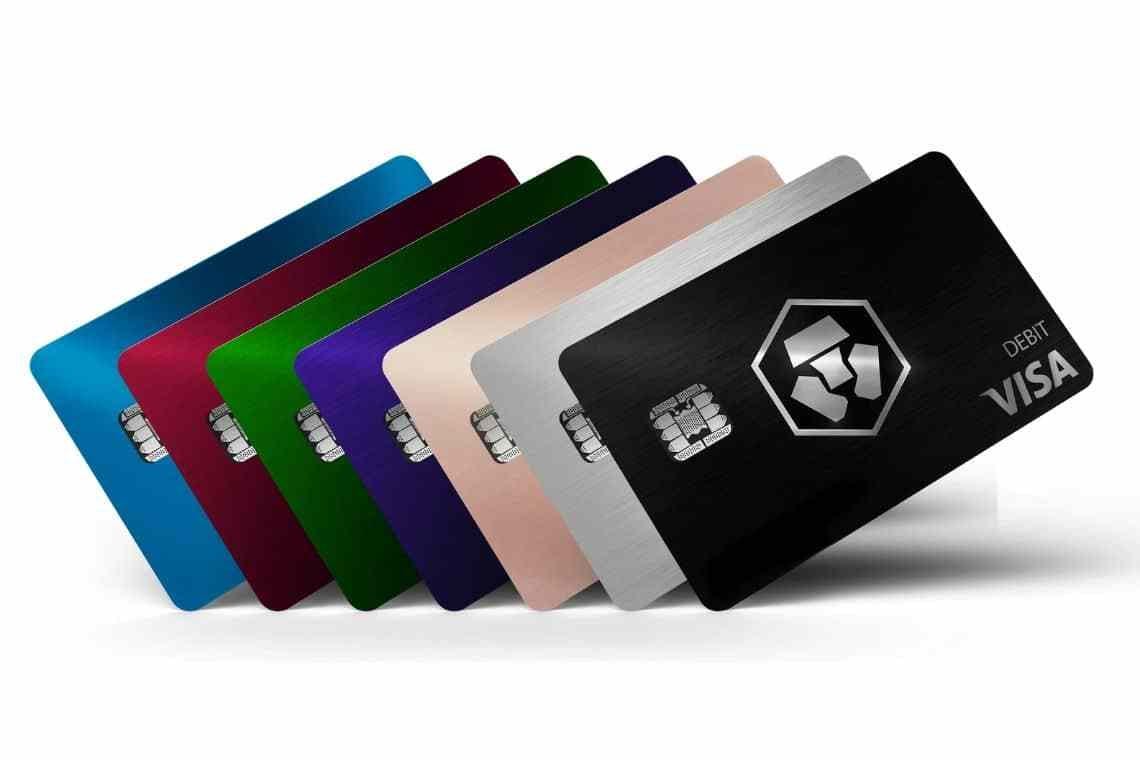
How we picked the best crypto cards
Choosing a crypto debit card is less about finding the one with the highest APY and more about identifying the one that won’t quietly erode your spending power. In 2026, the market is saturated with options, but the truly reliable ones share a common backbone: transparent fee structures, robust security protocols, and seamless liquidity. We evaluated dozens of cards against these hard criteria to separate the financial tools from the marketing hype.
Our selection process prioritizes concrete data over promotional claims. We focused heavily on fee transparency, specifically looking for cards that waive monthly maintenance fees and offer clear, upfront foreign transaction rates. A card that charges hidden FX fees or monthly inactivity penalties defeats the purpose of holding crypto in the first place. We verified these claims against official provider documentation and recent user audits to ensure accuracy.
Security was the second pillar of our evaluation. We examined the custody models, two-factor authentication requirements, and fraud protection policies of each issuer. Since these cards bridge traditional banking rails with volatile digital assets, the security infrastructure must be institutional-grade. We only included cards that demonstrated clear, documented protocols for protecting user funds against unauthorized access and technical failures.
Liquidity and network compatibility rounded out our criteria. We tested how quickly funds move from your crypto wallet to your debit card balance and whether the card works reliably on Visa or Mastercard networks globally. Slow settlement times or limited network support can turn a convenient spending tool into a frustrating liability. Our final list includes only those cards that proved their speed and reliability in real-world testing scenarios.


As an Amazon Associate, we may earn from qualifying purchases.
Best Overall Crypto Debit Card
The Coinbase Card stands out as the best overall crypto debit card for general users in 2026. As one of the largest and most regulated cryptocurrency exchanges globally, Coinbase offers a seamless bridge between digital assets and everyday spending. This card is ideal for users who want to spend their crypto without dealing with complex setup processes or high fees.
What sets the Coinbase Card apart is its simplicity and broad acceptance. You can use it anywhere Visa is accepted, both online and in physical stores. The card allows you to spend your crypto holdings directly, with transactions converted to fiat currency at the point of sale. This means you don't need to manually sell your assets before making a purchase.
The card also offers rewards in the form of cryptocurrency. Depending on the amount of Coinbase One subscription you hold, you can earn up to 4% back in crypto on eligible purchases. This reward structure provides a tangible benefit for everyday spending, effectively turning routine transactions into additional crypto holdings. For users looking for a straightforward, reliable, and rewarding way to use their crypto in daily life, the Coinbase Card remains the top choice.


As an Amazon Associate, we may earn from qualifying purchases.
Best low-fee spending option
For daily transactions, transaction fees can quickly erode your purchasing power. The best crypto debit cards for spending eliminate or minimize these costs, allowing you to use your digital assets as seamlessly as fiat currency without hidden deductions.
When comparing options, prioritize cards with zero monthly maintenance fees and no foreign transaction charges. This is particularly important if you travel or shop from international merchants, as standard debit cards often apply a 1-3% markup on currency conversion. Look for providers that pass through the Visa or Mastercard network rates without adding a proprietary spread.
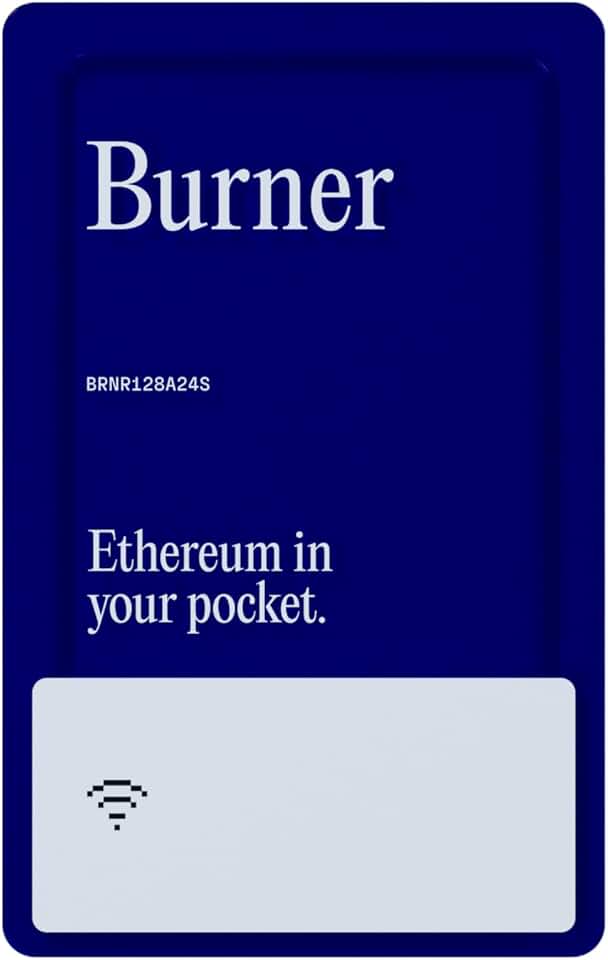
The following cards are recognized for their cost-effective spending structures, making them ideal for users who want to spend crypto without paying a premium.

As an Amazon Associate, we may earn from qualifying purchases.
Always verify the latest fee schedule on the provider’s official website, as terms can change based on your holding tier or region. These products represent the most straightforward options for minimizing friction when converting crypto to fiat at the point of sale.
High APY Rewards on Idle Crypto
While zero-fee cards focus on minimizing friction, high-APY options turn your spending into a yield-generating activity. These cards allow you to earn rewards on idle crypto balances or offer elevated cashback rates that outpace traditional fiat credit cards. The strategy here is simple: hold your assets in a currency that pays you to keep them, then spend from that same pool without triggering taxable events or selling at a loss.
Coinbase Card
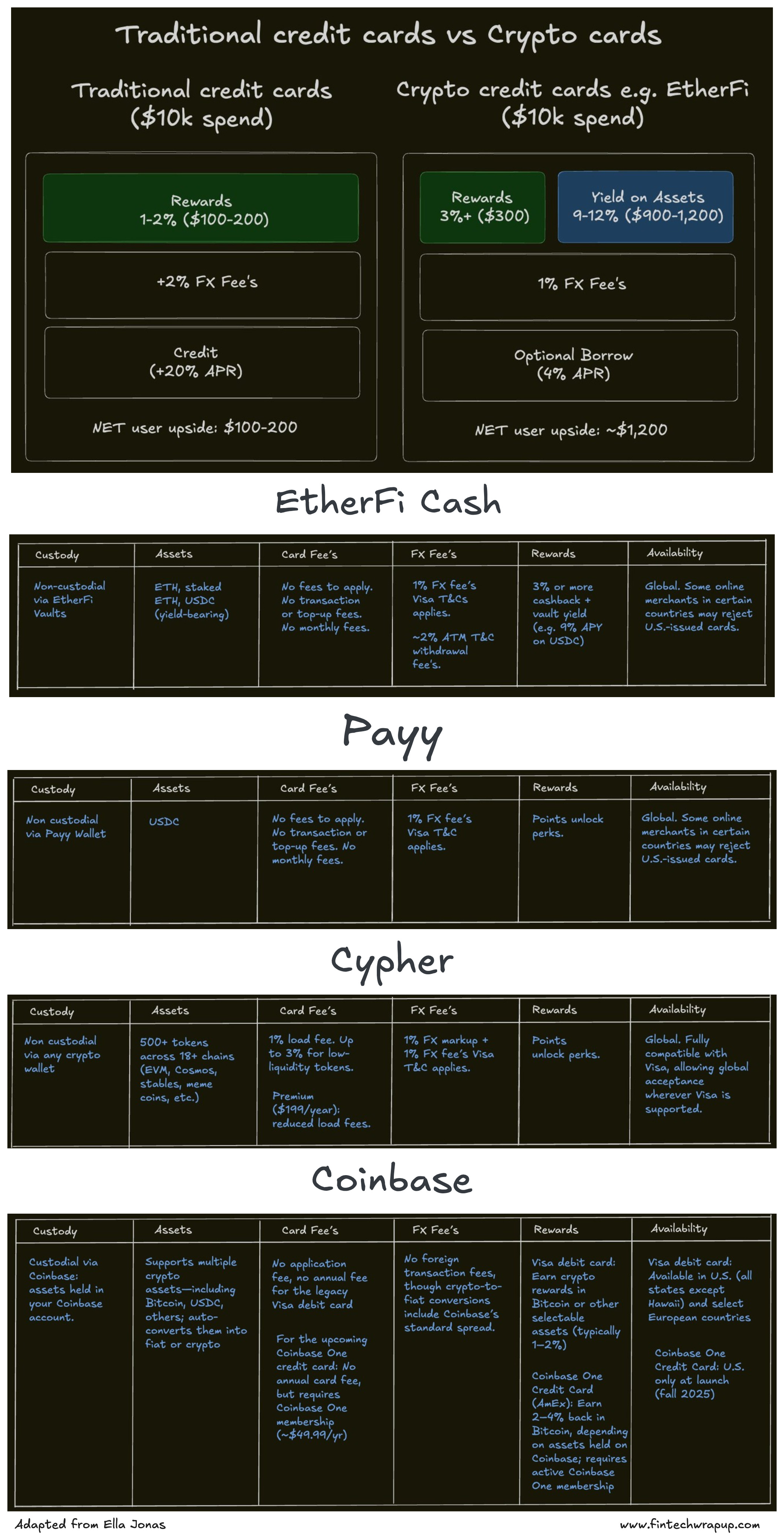
The Coinbase Card is a debit card designed by one of the world's largest crypto exchanges, allowing users to earn rewards in Coinbase Global stock (COIN) on every purchase. This structure is particularly effective for long-term holders who want to compound their exposure to the exchange itself. You earn 1% back in Bitcoin, 1.5% in Ethereum, or 3% in Coinbase Global stock when you hold at least $3,000 in eligible crypto assets. The card automatically converts your crypto to fiat at the point of sale, so you can use it anywhere Visa is accepted.
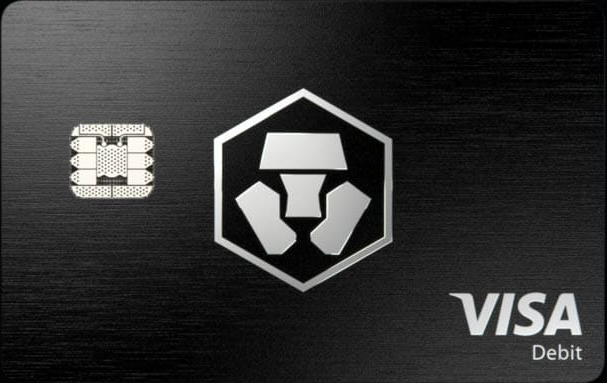
Crypto.com Visa Card
The Crypto.com Visa Card offers a tiered rewards system based on the amount of CRO (Crypto.com Coin) you stake. By locking up your tokens, you unlock higher annual percentage yields (APY) on your staked balance and increased cashback rates on daily spending. For example, staking $400 in CRO grants a 1% cashback rate, while staking $40,000 boosts this to 5%. This model appeals to users who are willing to lock up capital for better returns, effectively using the card as both a spending tool and a high-yield savings account.
As an Amazon Associate, we may earn from qualifying purchases.
Key features to compare before applying
Choosing the right crypto debit card requires looking past the marketing hype and examining the three pillars that determine actual utility: custody, geography, and asset support. A card that offers high APY on stablecoins is useless if it cannot be used in your country or if it locks your funds in a custodial wallet with questionable security practices.
Custody type: self-custody vs. custodial
The most critical distinction is who holds your private keys. Custodial cards, such as those offered by Crypto.com or Binance, hold your assets on your behalf. This offers convenience and often easier fiat on-ramping, but it introduces counterparty risk—if the platform fails, you may lose access to your funds.
Self-custody cards, like those from Crypto.com’s non-custodial partners or specialized providers like CoinJar, require you to hold your own keys. These are generally safer for long-term holders but often have higher friction for daily spending. Always verify the provider’s insurance coverage and regulatory status through official channels before linking your wallet.
Geographic availability and verification
Not all crypto debit cards are available globally. Many providers restrict services to specific jurisdictions due to local banking regulations and AML (Anti-Money Laundering) laws. For instance, RedotPay and HolyHeld have gained traction in the EU for their lower verification hurdles, but they may not be accessible in the US or other restricted regions.
Before applying, check the provider’s official website for a list of supported countries. You will also need to complete KYC (Know Your Customer) verification, which typically requires a government ID and proof of address. Some providers offer instant verification, while others may take several days. If you travel frequently, ensure the card works internationally without excessive foreign transaction fees.
Supported assets and conversion rates
Different cards support different cryptocurrencies. Most major cards allow spending Bitcoin (BTC), Ethereum (ETH), and USDT, but some offer a wider range of altcoins. If you hold a specific token, verify that the card supports it directly or that you can convert it to a supported asset without incurring high trading fees.
Additionally, pay attention to the conversion rate. When you spend crypto, it is often converted to fiat at the point of sale. Some providers use competitive real-time rates, while others may apply a markup. Review the fee schedule carefully to understand if there are hidden costs in the exchange rate itself.
Checklist for evaluation
-
Verify custody model (self-custody vs. custodial)
-
Confirm geographic availability for your country
-
Check supported cryptocurrencies and conversion fees
-
Review KYC requirements and verification time
-
Assess international transaction and ATM fees


As an Amazon Associate, we may earn from qualifying purchases.
Frequently Asked Questions About Crypto Debit Cards
Are crypto debit card transactions taxable?
Yes. In the eyes of the IRS, spending cryptocurrency is a taxable event. When you use a card like Coinbase Card or Crypto.com to buy coffee, you are technically selling the crypto at that moment’s market value. If the asset has appreciated since you bought it, you owe capital gains tax on the difference. The card issuer reports these transactions, but they do not automatically calculate your tax liability. You must track your cost basis and report gains or losses on your tax return.
How secure are crypto debit cards compared to traditional banks?
Security depends on how you manage your private keys. Cards like Kraken Card or Binance Card hold your funds on the exchange, meaning you rely on their internal security and insurance policies. If you link a self-custody wallet, you control the keys, but you must secure your device. Most major providers offer two-factor authentication (2FA) and instant card freezing via their apps. However, unlike traditional bank accounts, crypto funds are generally not FDIC insured. If the exchange collapses, your assets may be lost.
Do crypto cards offer instant fiat conversion?
Most modern crypto debit cards convert crypto to fiat currency instantly at the point of sale. When you swipe your card at a merchant, the provider sells the necessary amount of your crypto (e.g., Bitcoin or Ethereum) and pays the merchant in dollars. This happens in milliseconds, so the merchant never sees cryptocurrency. This feature eliminates the need to manually move funds to a bank account before spending, making it as convenient as a standard Visa or Mastercard.
No comments yet. Be the first to share your thoughts!