
How we picked the best crypto cards
Choosing the best crypto debit card requires looking past marketing promises to the actual cost of spending. We evaluated each card based on four strict criteria: fee structures, reward rates, supported cryptocurrencies, and geographic availability. Our goal is to help you find a card that actually saves money rather than one that charges hidden fees for every transaction.
Fee structures
The most common trap with crypto debit cards is the foreign transaction fee and the spread between the crypto price and the fiat price at checkout. We prioritized cards with zero foreign transaction fees and transparent conversion spreads. For example, cards like Crypto.com and Coinbase Card offer fee-free spending in many regions, while others may charge 1-3% per transaction. We verified these fees against the providers' official terms of service to ensure accuracy.
Reward rates
Cashback rates vary significantly depending on how much of the card's native token you stake or hold. We focused on the "real cashback" after fees, as reported by Eco's 2026 ranking. Some cards offer up to 5% cashback for high-tier stakers, but we also highlighted cards with flat rates for casual users. The average cashback rate for top-tier cards in 2026 sits around 1-2% for non-stakers, which is competitive with traditional fintech cards.
Supported cryptocurrencies
Not all crypto debit cards support the same assets. Some cards only allow spending from major coins like Bitcoin and Ethereum, while others support a wider range of altcoins and stablecoins. We checked which coins could be used directly from the wallet without needing to sell first. This is crucial for users who want to spend specific tokens like Solana or USDC without triggering a taxable event.
Geographic availability
Regulatory environments differ by country. Some cards are only available in the US, while others operate in Europe, Asia, or globally. We noted the specific regions where each card is accessible and any KYC (Know Your Customer) requirements. This ensures you don't sign up for a card only to find out it's not available in your country.
We recommend checking the official websites of these providers for the most up-to-date information on fees and availability, as these terms can change frequently.
Best overall: Coinbase Card
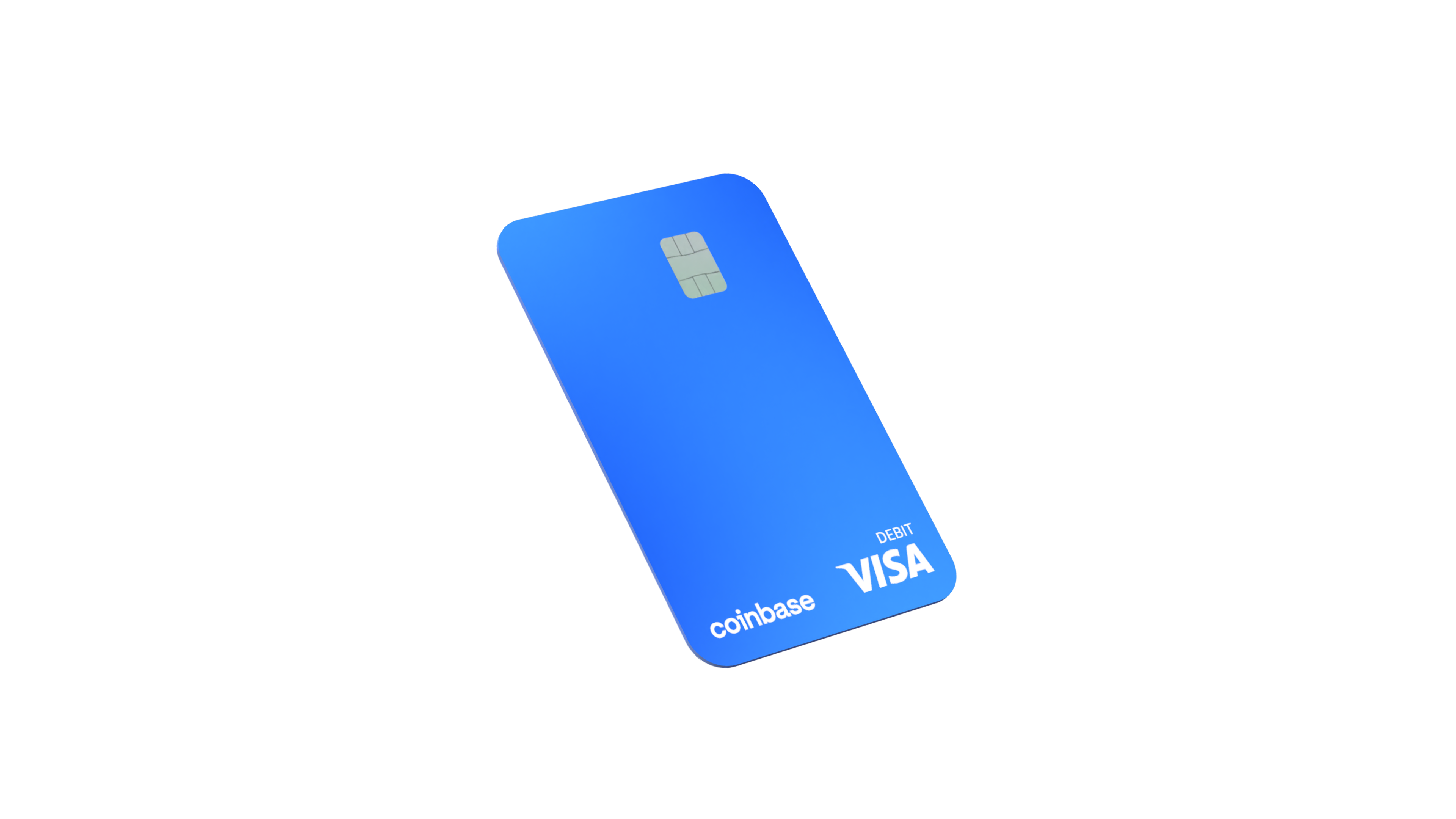
The Coinbase Card stands out as the best overall crypto debit card for US-based users who prioritize simplicity and ease of use. As a Visa prepaid debit card issued by Coinbase, it bridges the gap between digital asset holdings and everyday spending without requiring complex manual transfers. The platform’s massive user base and regulatory compliance in the United States make it a reliable, low-friction option for integrating cryptocurrency into daily life.
Seamless conversion and rewards
Spending with the Coinbase Card is straightforward: you select which supported cryptocurrency to spend from, and the platform automatically converts it to USD at the point of sale. This eliminates the need to manually sell assets and withdraw funds to a traditional bank account first. Coinbase offers a flat 1% crypto back reward on all purchases, paid in the cryptocurrency you choose to spend. This feature allows users to earn crypto on routine expenses like groceries or gas, effectively turning standard spending into a passive accumulation strategy.
Accessibility and integration
Unlike many crypto cards that require holding specific platform tokens to access benefits, the Coinbase Card offers uniform rewards regardless of your portfolio composition. It integrates directly into the Coinbase mobile app, providing real-time transaction tracking and immediate visibility into your crypto balance. For users new to digital assets, this intuitive interface reduces the learning curve associated with managing crypto payments.
Physical and virtual options
The Coinbase Card is available in both physical and virtual formats. The physical card is useful for in-person transactions and ATM withdrawals, while the virtual card provides a secure option for online shopping, helping to protect your primary card details from potential data breaches. Both options come with no monthly fees and no minimum balance requirements, making it an accessible entry point for anyone looking to use crypto for daily purchases.
Best for rewards: Crypto.com Visa
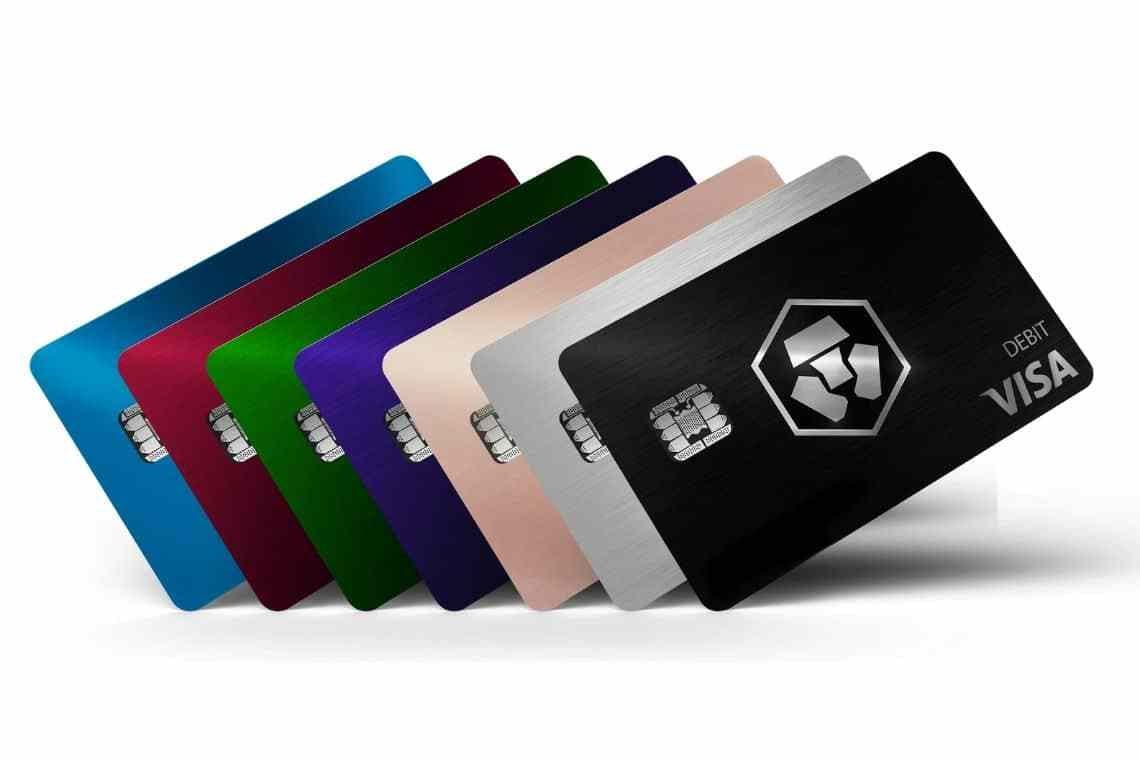
The Crypto.com Visa card is a straightforward choice if you want to maximize cashback on everyday spending. Instead of a flat rate, the card offers tiered rewards that scale directly with the amount of CRO tokens you stake. This structure rewards long-term commitment, turning your staked assets into a higher yield on your purchases.
By locking up CRO, you move up the metal card tiers. The lowest tier offers a modest return, but staking higher amounts unlocks significantly better rates. For example, users staking substantial amounts can earn up to 5% cashback on select categories like dining and rideshare, with a baseline of 1% on all other purchases. This model effectively turns your crypto holdings into a high-yield savings account that also pays you when you spend.
The rewards are paid out in CRO, which adds another layer of potential growth if the token appreciates. However, this comes with the risk of token volatility. If CRO drops in value, your cashback earnings may be worth less in fiat terms than when you received them. This card works best for users who already hold CRO and plan to stake it regardless of spending habits.
If you are looking for a card that doesn't require locking up tokens, other options like Coinbase or Bybit offer simpler cashback structures. But for those willing to manage CRO exposure, the Crypto.com Visa remains a top contender for rewards-driven crypto spending.
Best hybrid model: Nexo Card
The Nexo Card stands out in the crypto debit card market by offering a dual-mode spending system. Unlike standard crypto cards that only draw from a pre-loaded balance, Nexo lets you choose how to fund each transaction. You can spend directly from your crypto holdings in debit mode, or access a credit line backed by your crypto collateral.
This flexibility is particularly useful for managing cash flow. If you want to keep your Bitcoin or Ethereum invested and earning interest, you can use the credit line for daily purchases. When you are ready to liquidate assets, you can switch to debit mode to spend directly from your wallet. This approach helps users avoid unnecessary capital gains events while maintaining spending power.
Users appreciate the clean setup and the ability to switch between modes depending on their financial strategy. It bridges the gap between holding crypto as an investment and using it as everyday money. For those who want to maximize the utility of their digital assets, this hybrid model offers a practical solution.

Crypto debit card comparison table
Choosing the right crypto debit card comes down to balancing transaction costs against the rewards you actually want. The table below compares three major options—Coinbase, Crypto.com, and Nexo—across their most impactful fee structures and cashback models.
| Card | Key Fees | Cashback / Rewards | Supported Assets |
|---|---|---|---|
| Coinbase Card | 2% foreign transaction fee | 1-4% crypto back (tiered) | Major coins (BTC, ETH, SOL) |
| Crypto.com Visa | No annual fee | Up to 5% MCO cashback | 170+ cryptocurrencies |
| Nexo Card | No annual fee | Up to 8% back (with NEXO stake) | 40+ cryptocurrencies |
Note: Fee structures and cashback rates are subject to change based on your tier level or staking commitments. Always check the official issuer pages for the most current terms.


As an Amazon Associate, we may earn from qualifying purchases.
Frequently asked questions about crypto debit cards
Are crypto debit card transactions taxable?
Yes, spending crypto via a debit card is a taxable event in most jurisdictions. When you load your card with Bitcoin or Ethereum and spend it, the IRS treats this as selling the asset. You must report the capital gains or losses based on the difference between the purchase price and the fiat value at the time of the transaction. For detailed guidance, consult the IRS guidance on virtual currencies.
How secure are crypto debit cards compared to traditional ones?
Crypto debit cards offer similar security protections as standard Visa or Mastercard products, including zero-liability fraud policies. However, the underlying blockchain assets are also protected by the issuer’s cold storage and multi-signature protocols. Always enable two-factor authentication (2FA) and use a dedicated app for transaction monitoring to maintain control over your funds.
Which crypto debit card offers the best cashback in 2026?
The best crypto debit card depends on whether you prioritize high rewards or low fees. Cards like Nexo offer hybrid models with flexible rewards, while others like Coinbase Card provide direct cashback in the crypto you hold. Look for cards that allow you to choose your reward currency, giving you the flexibility to earn back Bitcoin, Ethereum, or stablecoins.
Can I use a crypto debit card internationally?
Most major crypto debit cards are backed by Visa or Mastercard, meaning they work anywhere those networks are accepted globally. However, be aware of foreign transaction fees, which can range from 1% to 3%. Some providers waive these fees for premium accounts or specific crypto holdings, so check the fee schedule before traveling.
No comments yet. Be the first to share your thoughts!