
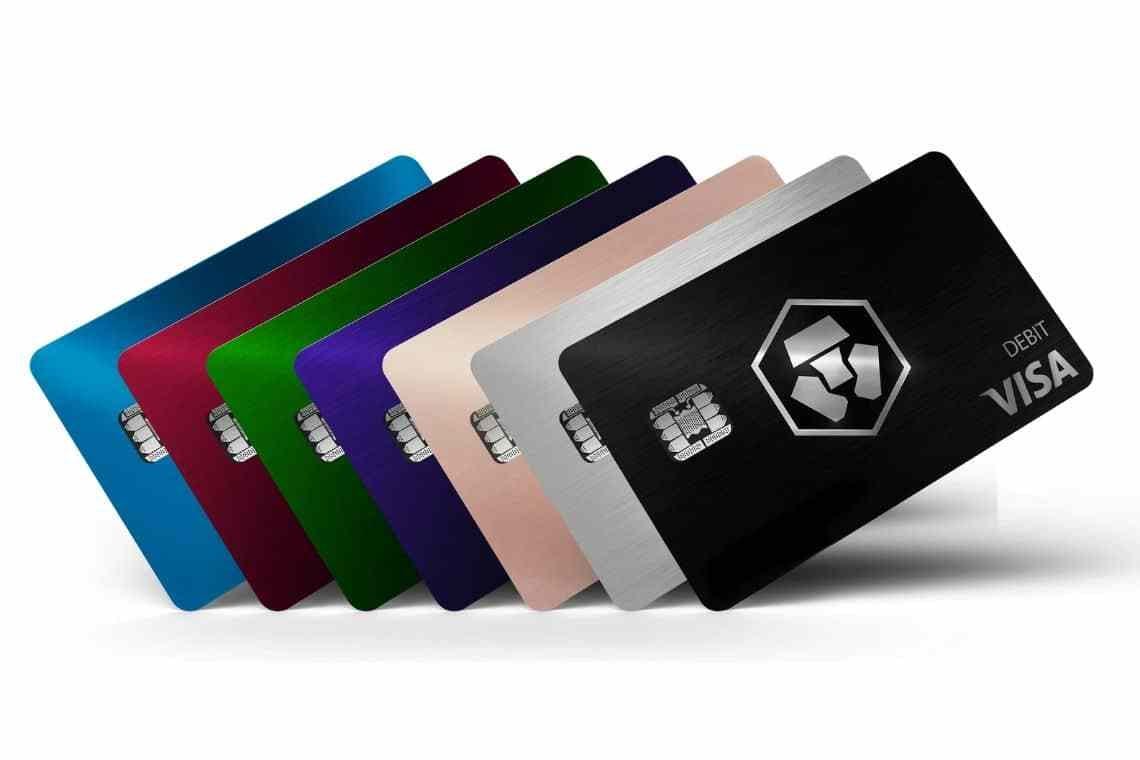
Top crypto debit cards for 2026
The market for crypto debit cards has shifted from speculative novelty to functional utility. In 2026, the leading options prioritize fee transparency, reliable cashback on everyday spending, and seamless integration with major payment networks like Visa and Mastercard. The following cards represent the strongest candidates for users seeking to bridge traditional finance with digital assets without sacrificing purchasing power.
Crypto.com Visa Card
The Crypto.com Visa Card remains a dominant force due to its tiered reward structure and extensive merchant acceptance. Users can earn up to 5% cashback in crypto on everyday purchases, depending on the amount of CRO staked. This model rewards long-term commitment with tangible spending benefits. The card also offers access to premium airport lounges and streaming subscriptions at higher tiers, adding significant value beyond simple transactions.
The platform’s app provides a unified view of crypto holdings and fiat spending, reducing the friction of managing separate wallets. While the staking requirements can be steep for maximum benefits, the base tier remains accessible. The card is widely accepted globally, making it a practical choice for regular spending rather than just a storage vehicle.
Coinbase Card
Coinbase leverages its position as a leading exchange to offer a straightforward crypto debit experience. The Coinbase Card allows users to spend Bitcoin, Ethereum, and other supported assets directly at checkout. The primary appeal lies in its simplicity: no complex staking mechanisms or tiered rewards to navigate. Users earn rewards in the specific crypto they hold, which can be automatically converted to fiat for spending.
This card is particularly suitable for users who already hold significant crypto assets and want to spend them without triggering taxable events through separate selling processes, depending on local regulations. The integration with the Coinbase app provides real-time tracking of spending and rewards. It is a robust option for those who prioritize ease of use and broad asset support.
Nexo Card
The Nexo Card stands out for its approach to liquidity without forced sales. Users can borrow against their crypto collateral to fund purchases, avoiding the immediate tax implications of selling assets. This feature is particularly valuable for long-term holders who want to maintain their positions while accessing fiat liquidity. The card offers instant loan approval and competitive interest rates on the borrowed amount.
Rewards are distributed in NEXO tokens, which can be used to pay down interest or held for potential appreciation. The card accepts over 40 cryptocurrencies, providing flexibility for diversified portfolios. It is an ideal choice for sophisticated users who understand the mechanics of crypto-backed loans and wish to optimize their capital efficiency.
Gemini Credit Card
Gemini offers a secure and compliant option for crypto spending, backed by its reputation for regulatory adherence. The Gemini Credit Card allows users to earn rewards in Bitcoin or Gemini Dollar (GUSD) on purchases. The platform’s emphasis on security and insurance coverage provides peace of mind for users concerned about the safety of their funds.
The card integrates seamlessly with the Gemini app, allowing users to manage their crypto and fiat accounts in one place. It is particularly well-suited for users who prioritize security and regulatory compliance over aggressive cashback rates. The straightforward reward structure makes it easy to understand and track benefits.


As an Amazon Associate, we may earn from qualifying purchases.
Compare fees, rewards, and limits
Choosing a crypto debit card requires balancing monthly costs against spending benefits. The following comparison highlights the financial mechanics of six leading options, focusing on monthly fees, cashback rates, and ATM withdrawal limits. These metrics determine the actual return on your daily spending.
| Card | Monthly Fee | Cashback | ATM Limit |
|---|---|---|---|
| Crypto.com Visa | $0–$10.80 | Up to 5% | $100–$500 |
| Coinbase Card | $0 | Up to 1% | $1,000 |
| Nexo Card | $0 | Up to 5% | $1,000 |
| Uphold Card | $0 | Up to 1% | $500 |
| Bybit Card | $0 | Up to 3% | $500 |
| Gemini Credit Card | $0 | Up to 2% | $1,000 |
Fees vary significantly based on your account tier. Crypto.com, for example, ties its low monthly fees to high staking requirements, which may not suit casual users. Coinbase and Nexo offer zero monthly fees, making them accessible for beginners, though their cashback rates are generally lower. Always verify the current fee structure on the provider's official site, as these terms can change with regulatory updates.
How crypto cards spend your assets
When you tap a crypto card at the register, you are not spending cryptocurrency directly. Visa and Mastercard networks do not accept Bitcoin or Ethereum for settlement. Instead, the card issuer acts as a bridge, converting your digital assets into local fiat currency in real time before the transaction clears. This mechanism allows you to "spend crypto anywhere" that accepts traditional debit or credit cards, removing the friction of manual exchanges.
Most modern crypto cards operate in two distinct modes: debit and credit. In debit mode, the card draws immediately from your on-chain or hosted wallet balance. The issuer sells the required amount of crypto at the point of sale, locking in the exchange rate at that exact second. This approach ensures you never spend more than you own, functioning similarly to a standard prepaid debit card but with automatic conversion logic.
Credit mode operates differently. The issuer extends a line of credit, allowing you to spend fiat while your crypto remains staked or held as collateral. This can be advantageous for users who want to maintain their long-term positions without triggering a sale. However, it introduces complexity regarding interest rates and collateral liquidation risks if the value of your underlying assets drops sharply.
The speed of this conversion varies by provider. Some issuers process the swap instantly, while others may batch transactions or use liquidity pools that introduce slight delays or slippage. Understanding the specific mechanics of your card provider is essential to managing your budget and avoiding unexpected fees during high-volatility market periods.
Choosing the right card for your needs
Selecting a crypto debit card requires matching your transaction habits to the card’s specific fee structure and reward engine. A card that offers zero fees on domestic purchases may charge steep foreign transaction fees, while a card with high cashback might restrict rewards to specific spending categories or require a minimum balance to activate the best rates.
If your priority is avoiding costs, look for cards with no monthly maintenance fees and no foreign transaction fees. The Gemini Credit Card® is often cited for everyday spending because it integrates directly with a regulated exchange, offering straightforward fee transparency without complex tiered requirements. For heavy crypto users who hold significant assets, the Coinbase One Card provides higher cashback rates on Bitcoin and Ethereum purchases, effectively turning your holding strategy into a reward mechanism.
Global travelers should prioritize cards that support multiple currencies and offer competitive exchange rates. MetaMask’s 2026 roundup highlights cards that support a wide range of assets and have fewer regional restrictions, which is critical for seamless use abroad. Always verify the card’s network—Visa and Mastercard offer the widest acceptance, but some niche cards may be limited to specific merchants or digital wallets. Read the fine print on cash advance fees, as withdrawing crypto as cash can trigger immediate interest charges.
Ultimately, the best card is the one that aligns with your primary use case. If you spend primarily in USD and hold Bitcoin, a card like the Coinbase One Card maximizes value. If you travel frequently and want simplicity, a no-fee option like Gemini may be superior. Compare the annual percentage yields on your crypto holdings against the cashback rates to ensure you aren’t losing value in the conversion process.
Crypto card questions answered
Crypto debit cards bridge the gap between digital assets and everyday spending, but they come with distinct operational and security considerations. Understanding how these cards interact with the broader crypto ecosystem is essential for managing risk and maximizing utility.
Do I need a cold wallet to use a crypto debit card?
A cold wallet is not required to operate a crypto debit card, as these cards function through hot wallets or custodial accounts provided by the card issuer. However, maintaining a cold wallet remains the industry standard for long-term storage of significant holdings. For 2026, leading options include Tangem for its seedless design, Ledger for its established ecosystem, SafePal for QR-based transactions, and Ellipal for its air-gapped touchscreen security. These devices keep private keys offline, protecting your bulk assets while you spend from your card's linked hot wallet.
Are crypto debit cards safe to use?
Crypto debit cards are generally safe when issued by regulated entities that offer instant card freezing and fraud protection. Most major providers, including Crypto.com and Coinbase, allow you to lock the card immediately via their apps if it is lost or compromised. Because transactions are processed through traditional banking networks (Visa or Mastercard), you benefit from existing chargeback mechanisms in many jurisdictions, though this varies by issuer and region.
How are crypto debit card transactions taxed?
In many jurisdictions, spending crypto via a debit card is a taxable event. When you use the card, you are effectively selling cryptocurrency for fiat currency at that moment's exchange rate. This triggers a capital gains or loss calculation based on the difference between your cost basis and the sale price. For example, if you bought Bitcoin at $30,000 and spend it when it is worth $40,000, you may owe taxes on the $10,000 gain. Always consult a tax professional to understand how your local regulations treat these conversions.
Can I earn cashback with crypto instead of points?
Yes, several top-tier crypto debit cards offer cashback in the form of the cryptocurrency you hold or a native token. For instance, the Crypto.com Visa Card and the Coinbase Card allow users to earn rewards in stablecoins or native assets like CRO or COIN. This feature can be advantageous if you believe in the long-term appreciation of the reward token, though it introduces volatility risk to your cashback earnings. Some cards also offer higher reward tiers for holding the issuer's native token, which can significantly boost returns for active users.
No comments yet. Be the first to share your thoughts!